How to Prune Queensland peppermint?
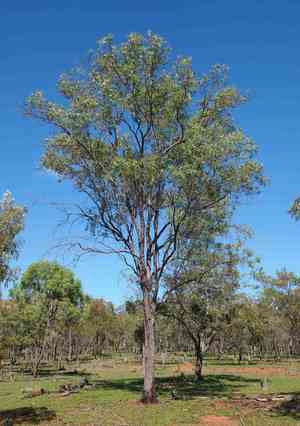
Distinguished by its invigorating scent and appealing leaves, queensland peppermint flourishes with proper attention. Perform pruning during the winter season to eliminate deceased or ailing branches, enhance air movement, and preserve its intended form. Gentle snipping of the extremities can stimulate denser development. Refrain from extensive cuts, as queensland peppermint might not recover effectively from harsh pruning. Consistent removal of faded blooms improves both the tree's aesthetic and its vitality, cultivating a more resilient and thriving specimen.
Advantages of Trimming Queensland Peppermint
Advantages of Trimming Queensland Peppermint
Trimming queensland peppermint promotes robust development and maintains its desired form. Strategic cuts enhance light penetration and air circulation, which are vital for strong health and visual appeal.
Optimal Period for Trimming Queensland Peppermint
Optimal Period for Trimming Queensland Peppermint
Trimming queensland peppermint from late winter to early spring allows for the removal of any damaged, diseased, or dead branches before the active growth cycle begins. This timing ensures the tree's energy is directed towards healthy new growth and helps maintain its overall health and structure. It also avoids cutting off the flowering wood of queensland peppermint, which blooms from spring to summer. Pruning after flowering enables the tree to develop the maximum number of buds for the subsequent season's flowers. Additionally, cutting during this dormant period minimizes stress on the plant and reduces the risk of infection from pests or diseases that are less active in cooler weather.
Necessary Tools for Trimming Queensland Peppermint
Bypass Pruners
Perfect for making clean cuts on smaller branches under 1 inch in diameter, bypass pruners are crucial for precise trimming and minimizing harm to the queensland peppermint's tissue.
Loppers
With their extended handles, loppers provide the leverage needed to trim thicker branches, up to 2 inches in diameter, without straining the gardener's arms. This is suitable for queensland peppermint's thicker branches that are not reachable with hand pruners.
Pruning Saw
For branches exceeding 2 inches in diameter or for accessing confined spaces, a sharp pruning saw is essential. It's designed to handle the queensland peppermint's hardwood and can create a smooth cut without tearing the bark.
Pole Pruner
For elevated branches that are out of reach from the ground, a pole pruner with a saw attachment can be utilized. This tool helps maintain the queensland peppermint without requiring a ladder for every cut.
How to Trim Queensland Peppermint
Inspection
Examine queensland peppermint closely to identify any dead or diseased branches. Look for signs of decay, unusual coloration, or branches that do not have any green leaves.
Preparation
Sanitize your pruning tools with a solution of one part bleach to nine parts water to prevent any spread of disease during the pruning process.
Cutting dead branches
Using sharp and sanitized secateurs or a saw for larger branches, carefully remove dead branches by cutting them off at the point where they join a larger branch or the trunk. Cut at an angle to prevent water accumulation on the stub, which can lead to rot.
Cutting diseased branches
Prune diseased branches by cutting at least several inches below the affected area. If the disease is widespread, it may be necessary to remove the entire branch.
Cleanup
Collect and dispose of all pruned material to prevent any diseases from spreading in the garden. Ensure to clean up any fallen debris from around the base of queensland peppermint.
Frequent Trimming Errors with Queensland Peppermint
Excessive trimming
Removing too much foliage from queensland peppermint can stress the plant, hinder its growth, and reduce its natural shape and beauty. It is crucial to prune no more than 15-20% of the foliage at a time.
Incorrect cuts
Making cuts too close or too far from the branch collar can lead to improper healing and increase susceptibility to disease. Cuts should be made just outside the branch collar, allowing queensland peppermint to heal properly.
Using dull tools
Using dull or unclean pruning tools can damage the branches, creating jagged cuts that are more prone to infection. Clean, sharp tools ensure healthier and cleaner cuts.
Neglecting disease and pest management
Failing to inspect queensland peppermint for signs of pests and diseases before pruning can lead to the inadvertent spread of these problems. It's important to address any health issues before carrying out pruning tasks.
General Trimming Advice for Queensland Peppermint
Consider the plant's natural shape
Trimming should enhance queensland peppermint's natural form, not alter it significantly. Selective removal of branches to preserve the attractive shape of queensland peppermint is advised.
Target dead and diseased wood
Always prioritize removing dead, dying, or diseased wood to help maintain the overall health of queensland peppermint. This encourages the growth of new, healthy foliage.
Thin crowding branches
Thinning out crowded areas improves air circulation and light penetration, which is vital for the health and vigor of queensland peppermint. This helps prevent disease and boosts photosynthesis.
Encourage flowering
For plants that bloom on current year's growth like queensland peppermint, pruning can encourage more prolific flowering. Removing old wood stimulates the development of new flowering shoots.



