How to Prune Illyarrie?
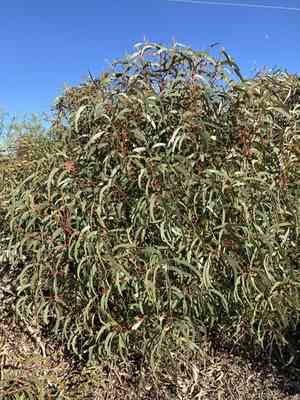
Illyarrie, recognized for its prominent red flower caps and vivid yellow blooms, flourishes with judicious trimming. The optimal period for pruning is winter, after the flowering stage, to preserve its form and stimulate robust development. Eliminate any deceased or ailing wood and thin out congested limbs to improve air circulation and light exposure. Consistent pruning also prevents undue stress on branches, fostering extended vitality and abundant blossoms. Accurate cuts should align with the natural contours of the branches for superior outcomes.
What Are the Benefits of Pruning Illyarrie?
What Are the Benefits of Pruning Illyarrie?
Trimming illyarrie encourages robust development and helps preserve its distinctive canopy. Strategic cuts improve air movement and light exposure, vital for its well-being and aesthetic appeal. Regular trimming also prevents excessive growth, ensuring illyarrie stays manageable and visually pleasing.
What Is the Best Time for Pruning Illyarrie?
What Is the Best Time for Pruning Illyarrie?
Winter is the optimal season for pruning illyarrie because the plant is dormant then. This means its growth and metabolic processes slow down, reducing pruning-induced stress. Winter pruning also prepares illyarrie for vigorous spring growth, as removing excess or dead branches enhances sunlight penetration and air circulation. Furthermore, since illyarrie flowers in late winter to early spring, winter pruning ensures its flowering potential isn't negatively impacted, allowing gardeners to enjoy its bright, decorative blooms.
What Tools Do I Need to Prune Illyarrie?
Hand Pruners
Perfect for trimming smaller, newer illyarrie branches, hand pruners offer precise cuts, crucial for maintaining health and stimulating growth. Choose a bypass pruner for clean, healthy cuts.
Loppers
Suitable for cutting branches up to 2 inches thick, loppers extend your reach and provide the necessary leverage for pruning medium-sized limbs. They assist in managing illyarrie's width and height, effectively controlling its shape.
Pole Saw
For higher, inaccessible branches, a pole saw is essential. Given illyarrie's potential height, a pole saw allows safe pruning from the ground without climbing, minimizing injury risk.
Pruning Saw
For branches too thick for loppers, a pruning saw is required. It enables precise cutting through thicker, older illyarrie branches. A pruning saw is especially useful during extensive pruning to manage size and remove diseased wood.
How to Prune Illyarrie
Prepare tools
Gather the necessary pruning implements, including sharp, clean secateurs or pruning shears. Ensure all tools are sterilized before use to prevent disease spread to illyarrie.
Identify
Examine illyarrie carefully to identify dead or diseased spray formulation approved for use on illyarrie to the cuts to prevent infections and pest infestations. Allow the treated areas to dry completely.
Common Pruning Mistakes with Illyarrie
Overpruning
Removing too much foliage at once can stress illyarrie, hindering its growth and resilience. It's crucial to avoid cutting back more than 25-30% of the foliage during any pruning session.
Improper cut location
Making cuts too far from or too close to branching points can lead to poor healing and increased susceptibility to diseases. Gardeners should aim to cut just above the leaf node or bud.
Using dull tools
Utilizing dull or unclean pruning tools can result in jagged cuts that are harder for illyarrie to heal, posing a risk of pest infiltration and disease.
Neglecting form
Not considering illyarrie's natural shape and growth habit during pruning can lead to unbalanced growth and reduce its ornamental value.
Common Pruning Tips for Illyarrie
Correct tool selection
Use sharp, clean pruning shears or loppers for making precise cuts. This helps ensure healthy and effective cuts that heal quickly, reducing disease risk.
Conservative pruning
Limit pruning to removing dead or diseased wood and thinning dense areas to improve light penetration and air circulation within illyarrie's canopy. This maintains the plant's health and encourages robust growth.
Maintaining natural shape
Focus on maintaining illyarrie's natural rounded form. Prune strategically to enhance this shape rather than trying to force the plant into an unnatural form, which can stress the plant and diminish its visual appeal.
Preventative hygiene
After each use, clean and disinfect pruning tools to prevent the spread of pathogens to and from illyarrie. This simple practice supports plant health and longevity.



