How to Prune Argyle apple?
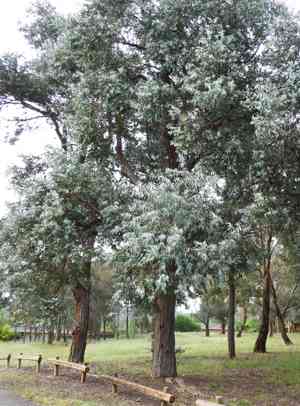
Recognized for its silver-hued leaves and appealing exfoliating bark, argyle apple flourishes with proper trimming. For argyle apple, structural pruning during its initial years fosters a robust scaffold. Established trees gain from judicious thinning to eliminate deceased or intersecting limbs, thereby improving light exposure and airflow. Argyle apple ought to be trimmed in the dormant winter period to deter pathogen infiltration and insect problems, encouraging robust growth in spring. Pruning additionally preserves the preferred form and stature, and can stimulate the emergence of youthful foliage, which frequently possesses greater aesthetic appeal.
What Are the Benefits of Pruning Argyle Apple?
What Are the Benefits of Pruning Argyle Apple?
Trimming argyle apple promotes a strong framework and dense leaves, supporting vigorous development. Regular cutting helps maintain a desired form, preventing excessive growth and ensuring an appealing shape.
What Is the Best Time for Pruning Argyle Apple?
What Is the Best Time for Pruning Argyle Apple?
During late winter to early spring, argyle apple is inactive, minimizing stress and sap loss. This timing also allows for the removal of any winter cold damage before the plant's active growth phase. It also aids in shaping the plant and encouraging healthy, robust growth in spring. Pruning after frost risk passes prevents damage to new cuts. Avoid pruning during flowering to not disrupt the development of its distinctive decorative buds and blooms.
What Tools Do I Need to Prune Argyle Apple?
Hand Pruners
Perfect for snipping small branches and foliage of argyle apple, ensuring clean cuts that encourage healthy regrowth.
Loppers
Designed for reaching higher or deeper branches, providing the necessary leverage for cutting thicker argyle apple branches.
Pruning Saw
Enables efficient removal of mature or large branches that hand pruners and loppers cannot manage.
Hedge Shears
Suitable for shaping and trimming argyle apple foliage when creating hedges or for aesthetic purposes.
Pole Pruner
Essential for accessing and safely cutting higher argyle apple branches without needing a ladder.
Gloves
Offers hand protection from argyle apple's natural oils, which can be an irritant, and from sharp edges during pruning.
How to Prune Argyle Apple
Clean Tools
Before pruning argyle apple, sanitize your pruning tools with alcohol or a bleach solution to prevent disease spread.
Remove Dead Branches
Using sharp, clean pruning shears, remove dead branches by cutting them at their origin point or back to a strong lateral branch facing outward from the canopy.
Cut Diseased Branches
Identify and trim any diseased branches on argyle apple. Make cuts well below affected areas, and ensure no stubs are left as they can attract pests.
Disinfect After Each Cut
After each cut, especially when removing diseased branches, disinfect pruning tools to avoid contaminating healthy parts of argyle apple.
Seal Cuts
If desired, apply a pruning sealant to argyle apple cuts to protect against pests and diseases, though this is often unnecessary for argyle apple due to its natural wound compartmentalization ability.
Common Pruning Mistakes with Argyle Apple
Over-Pruning
Removing too much foliage at once can stress argyle apple, leading to weakened health or stunted development.
Improper Cutting Technique
Incorrect cuts can harm the bark and wood, inviting pests and diseases.
Neglecting Tool Hygiene
Using dirty pruning tools can spread diseases between plants, potentially harming argyle apple.
Disregarding Plant Structure
Pruning without understanding the plant's natural growth pattern may result in an unattractive shape or poor development.
Topping
Cutting off the top of argyle apple to reduce height, known as topping, can cause disfigured growth and weaken the plant.
Ignoring Deadwood
Failing to remove dead or damaged branches can hinder overall health and aesthetic appeal.
Common Pruning Tips for Argyle Apple
Sharp Tools
Use sharp, clean pruning shears or saws to make clean cuts that heal quickly.
Selective Thinning
Thin out crowded branches to increase light penetration and air circulation, promoting healthy growth.
Cutting Angle
Make cuts at a slight angle, away from the bud, to prevent water accumulation and disease.
Branch Collar Awareness
Cut just outside the branch collar without damaging it, to facilitate proper healing.
Balance
Aim for a balanced canopy to ensure stability and even growth.
Observation
Regularly assess argyle apple for pruning needs, focusing on removing only the necessary material.



