How to Prune River red gum?
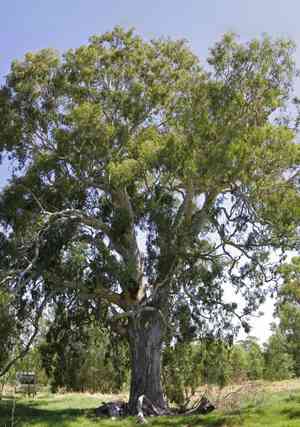
A majestic, perennial tree recognized for its curving boughs and sleek, variegated bark, river red gum flourishes in diverse soil types and weather conditions. Effective trimming entails excising deceased or ailing branches, thinning the crown to foster air circulation, and decreasing elevation for security. The colder months are optimal for pruning to stimulate robust spring development. Pruning averts excessive density, refines the tree's form, and diminishes the likelihood of branch snapping given river red gum's rapid development.
What Are the Benefits of Pruning River Red Gum?
What Are the Benefits of Pruning River Red Gum?
Trimming river red gum promotes robust development and helps maintain its form. By eliminating dead or overcrowded limbs, air circulation and light penetration improve, boosting health and vigor. This practice also enables gardeners to manage the tree's size and shape, ensuring it fits within the desired area and landscape design.
What Is the Best Time for Pruning River Red Gum?
What Is the Best Time for Pruning River Red Gum?
Pruning during late Winter to early Spring allows river red gum to recover quickly as it enters a period of active growth, minimizing stress and reducing the likelihood of disease or pest infestation. Additionally, since the plant is still in a dormant phase, there is less risk of sap loss, which can attract pests and lead to infections. Pruning before the new growth begins helps to shape the tree and direct its growth without cutting into the new season's foliage. This timing also avoids the flowering and fruiting periods of river red gum, ensuring that these processes are not disrupted, and the plant can dedicate resources to healing the pruning wounds.
What Tools Do I Need to Prune River Red Gum?
Hand Pruners
Perfect for cutting young shoots and small branches of river red gum. Hand pruners offer precision and are easy to handle for making clean cuts on branches up to 3/4 inch in diameter.
Loppers
Appropriate for larger branches of river red gum, typically up to 1 1/2 inches in diameter. The long handles provide leverage and reach, allowing for more force and access to branches within the canopy.
Pruning Saw
Essential for trimming branches over 1 1/2 inches in thickness. A pruning saw can handle the hardwood of river red gum and its curved blade allows for fast, clean cuts.
Pole Pruner
Useful for reaching higher branches of river red gum without the need for a ladder. Equipped with a saw and pruning cutter, it can cut branches up to 1 inch in diameter from ground level.
Chainsaw
Suitable for heavy-duty tasks, such as removing large limbs or reducing the height of a mature river red gum. Chainsaws offer power for quick and efficient work on branches thicker than 3 inches.
Personal Protective Equipment
Crucial when pruning river red gum. Safety glasses, gloves, and hard hats protect from falling debris and cuts, while ear protection is vital when using a chainsaw.
How to Prune River Red Gum
Clean Tools
Before beginning the pruning process, ensure that all pruning tools are clean and sharp to prevent the spread of disease and to make clean cuts.
Identify
Examine river red gum to identify dead and diseased branches. Look for branches that have no leaves, are visibly damaged, or have signs of infection like discoloration or fungal growth.
Cut Dead Branches
Using appropriate pruning tools, cut dead branches at the base where they meet healthy wood. Make sure cuts are angled downwards to allow water to run off and not collect at the cut site.
Disinfect
After each cut, particularly when moving from diseased branches to healthy ones, disinfect the pruning tools to avoid spreading pathogens to healthy parts of river red gum.
Smooth Cut
After removing branches, smooth out any rough edges left on the cuts with a pruning knife to promote better healing and reduce the risk of disease entering river red gum.
Common Pruning Mistakes with River Red Gum
Over Pruning
Removing too much foliage from river red gum can shock the tree, leading to poor health or reduced vigor.
Improper Cut Locations
Making cuts too close to the trunk or far from the bud can hinder proper healing and may cause disease or pest infestation.
Removal Of Large Branches
Eliminating large branches unnecessarily can create large wounds that may not heal properly, leaving river red gum vulnerable to infections.
Neglecting Tool Sanitation
Failing to sanitize tools before pruning can spread diseases from one part of river red gum to another or even to other plants.
Ignoring Natural Shape
Not considering the natural growth pattern of river red gum when pruning can lead to a disfigured appearance and can negatively affect the plant's overall health.
Flush Cutting
Making flush cuts against the trunk removes the branch collar, causing wounds that are slow to heal and may result in decay.
Common Pruning Tips for River Red Gum
Clean Cuts
Use sharp and sanitized tools to make clean cuts, which will help river red gum heal faster and reduce the risk of disease.
Respect Branch Collar
When removing branches, cut just outside the branch collar to promote faster healing while protecting the trunk from damage.
Thinning
Thin out dense growth to maintain the structure and allow light and air penetration, which helps reduce the likelihood of disease in river red gum.
Crossing Branches Removal
Remove any branches that cross and rub against each other to prevent wounds that invite pests and diseases in river red gum.
Dead Wood Pruning
Regularly removing dead or dying branches can help maintain the health of river red gum by preventing decay from spreading.
Crown Reduction
If necessary, perform crown reduction to reduce the size of river red gum, but ensure to retain the tree's natural form and avoid excessive foliage removal.



