How to Prune Torch Ginger?
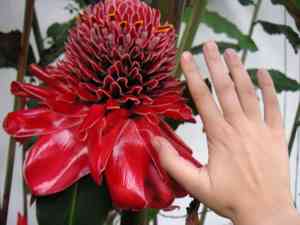
Distinguished by its impressive bloom resembling a fiery torch, torch Ginger necessitates consistent trimming to sustain its vitality. Periodically remove spent blossoms and leaf stems to stimulate fresh development. In any season, sever shoots that have completed their flowering cycle down to the soil level. Swiftly eliminate any impaired or ailing stalks. Trimming improves air movement, fosters robust growth, and maintains the plant's dense form. Utilize sanitized, keen implements to execute accurate cuts and prevent plant distress.
What Are the Benefits of Pruning Torch Ginger?
What Are the Benefits of Pruning Torch Ginger?
Trimming torch Ginger encourages flowering, promotes vigorous development, and maintains its attractive shape. Strategic cuts enhance air circulation, deterring pest infestations and fungal issues, ensuring a healthier, more vibrant plant.
What Is the Best Time for Pruning Torch Ginger?
What Is the Best Time for Pruning Torch Ginger?
Given that torch Ginger is an evergreen tropical perennial that grows continuously under ideal conditions, it can be pruned at any point during the year. However, scheduling pruning for early spring or post-flowering can optimize the plant's vitality and blooming potential for the subsequent cycle. Pruning in early spring allows for the removal of any damage sustained during a cooler period, preparing the plant for healthy new growth. After torch Ginger's blooming phase, cutting back spent flower stalks encourages the plant to channel its energy into new growth and flowers. Routine upkeep, such as eliminating dead or diseased leaves and stems, can be performed year-round as needed to preserve torch Ginger's health and aesthetic appeal. The consistent temperatures and humidity in regions where torch Ginger thrives negate the strict seasonal limitations that might apply to less resilient plants, thus year-round pruning is acceptable.
What Tools Do I Need to Prune Torch Ginger?
Bypass Pruners
Perfect for making precise cuts on torch Ginger's thinner stems, bypass pruners minimize plant tissue damage, fostering healthier development.
Long-Handled Loppers
The extended reach of long-handled loppers is particularly useful for trimming torch Ginger's taller stalks and branches that are out of reach, while providing the necessary leverage for thicker stems.
Pruning Saw
For torch Ginger's mature, woody stems that are too thick for pruners or loppers, a pruning saw offers the required cutting power without undue strain on the gardener's hands.
Gardening Gloves
To shield hands from torch Ginger's potentially sharp edges and improve grip during pruning, durable gardening gloves are essential.
Garden Shears
For shaping torch Ginger and preserving its visual appeal, garden shears enable precise snips on foliage and softer plant material.
Cleaning Solution
To prevent the spread of disease among torch Ginger or to other plants, sterilizing tools with a cleaning solution between cuts is recommended.
How to Prune Torch Ginger
Sanitize Tools
Before pruning torch Ginger, disinfect all pruning tools with isopropyl alcohol or a 10% bleach solution to prevent disease transmission.
Remove Diseased Parts
Carefully remove diseased leaves and branches from torch Ginger, ensuring clean cuts with sharp pruning shears to minimize damage and entry points for disease.
Trim Dead Material
Cut away dead branches and withered leaves from torch Ginger to promote healthy growth and enhance air circulation within the plant.
Deadhead Flowers
Remove faded flowers by making a cut above the first healthy set of leaves beneath the spent blossom of torch Ginger to encourage more blooms.
Clean Up
After pruning, clear the area around torch Ginger to remove any fallen debris, which can harbor pests or diseases, and dispose of them properly.
Common Pruning Mistakes with Torch Ginger
Over Pruning
Removing too many stems or leaves from torch Ginger, which can stress the plant and lead to poor growth or fewer blooms.
Improper Cutting
Making jagged or torn cuts on torch Ginger's stems, which can make the plant more vulnerable to diseases and pests.
Pruning Flowering Stalks
Cutting back flowering stalks believing them to be spent, not realizing that torch Ginger can rebloom on the same stalk.
Not Sterilizing Tools
Using unsterilized tools, which risks transmitting diseases from one plant to another.
Ignoring Dead Material
Failing to remove dead or dying material that can deplete torch Ginger's energy and potentially attract disease and pests.
Incorrect Disposal
Improperly disposing of pruned material that might be diseased, which can lead to reinfection if not discarded correctly.
Common Pruning Tips for Torch Ginger
Proper Tool Selection
Use sharp and clean pruning shears specifically designed for cutting through torch Ginger's thick stems without causing damage.
Clean Cuts
Make clean, straight cuts at a 45-degree angle just above a leaf node to promote optimal healing and regrowth for torch Ginger.
Sequential Pruning
Prune one stem at a time and evaluate the plant's appearance before proceeding, to avoid over-pruning torch Ginger.
Health Focus
Concentrate on removing diseased, damaged, or dead material to enhance torch Ginger's overall health and appearance.
Growth Direction
Guide new growth by cutting back to a point that encourages torch Ginger to grow in a desired direction, especially away from pathways or structures.
Post-Pruning Care
Provide torch Ginger with appropriate aftercare, including watering and fertilizing, to support recovery and vigorous growth after pruning.



