How to Prune California poppy?
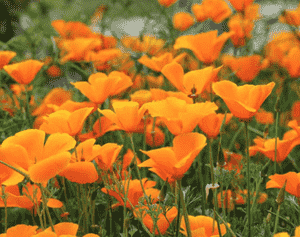
Distinguished by its vivid orange blossoms, california poppy flourishes across diverse environments. Trimming entails removing faded flowers to encourage additional flowering and eliminating lifeless or frail stalks. The ideal period for this activity extends from early spring through late autumn, coinciding with the plant's vigorous development phase. Pruning benefits california poppy by fostering a dense structure, boosting bloom output, and, if preferred, inhibiting self-seeding. Caution should be exercised to reduce disturbance to its root network.
What Are the Benefits of Pruning California Poppy?
What Are the Benefits of Pruning California Poppy?
Trimming california poppy can encourage more robust development and help preserve its desired form. It fosters a denser, healthier plant, potentially leading to a greater abundance of blossoms.
What Is the Best Time for Pruning California Poppy?
What Is the Best Time for Pruning California Poppy?
Pruning california poppy in early spring is optimal as it allows for the removal of any winter damage before new growth begins, promoting a strong plant that can direct its energy into producing fresh shoots and flowers. Late fall pruning is ideal because it helps eliminate spent blooms and seed pods, preventing unwanted self-sowing, and it prepares the plant for dormancy by lessening the chance of diseases from dead or decaying plant material. Pruning during these periods aligns with california poppy's natural growth cycle, after its flowering phase has concluded, and avoids cutting during its active growth and blooming stage, which occurs from late spring through summer.
What Tools Do I Need to Prune California Poppy?
Secateurs/Hand Pruners
Perfect for shaping and trimming california poppy, enabling precise cuts without harming the delicate stems. These tools are crucial for removing faded flowers and thinning out dense growth to enhance air circulation and prevent disease.
Gardening Shears
Suitable for cutting back california poppy to soil level at the close of the growing season or for extensive deadheading. The longer blades facilitate quick, clean cuts across broader areas.
Gloves
Though not a pruning tool itself, gloves are vital for protecting the gardener's hands from nicks and scrapes when handling california poppy, especially when dealing with large patches or performing significant pruning tasks.
How to Prune California Poppy
Step1: Identify Dead Flowers
Locate the withered flowers on california poppy. These are typically faded, dried, and have lost their vibrant color. Their texture might also differ, appearing brittle or shriveled compared to healthy blooms.
Step2: Trim Dead Blooms with Shears
Using clean, sharp scissors or pruning shears, snip the dead flowers at the base of their stems. Ensure the cut is made just above the first set of leaves to encourage new growth and avoid damaging the main plant.
Step3: Find Withered Leaves
Pinpoint withered leaves on california poppy. These leaves may appear dry, discolored, and might crumble when touched. They are usually found on the lower parts of the plant where light and air circulation are reduced.
Step4: Remove Withered Leaves Carefully
Gently remove the withered leaves by cutting them off at their base where they connect to the stem. Be careful not to harm adjacent healthy leaves or stems.
Step5: Compost or Dispose of Dead Plant Material
Discard the dead material by placing it in a compost bin or disposing of it according to local guidelines.
Step6: Water Plant Post-Pruning
After pruning, water the california poppy if the soil feels dry. This will aid the plant's recovery and stimulate new growth.
Step7: Regular Plant Health Monitoring
Continuously monitor california poppy for dead or dying flowers and leaves, repeating the pruning process as needed to maintain the plant's health and appearance.
Post-Pruning Care for California Poppy
Post-Pruning Care for California Poppy
Following pruning of california poppy, immediately water the soil to assist recovery, avoiding wetting leaves to prevent fungal disease. Provide partial sun, maintaining ambient temperatures and moderate humidity to lessen stress. Apply a balanced, slow-release fertilizer to support new growth. Monitor california poppy for wilting or discolored foliage, which are signs of infection or distress. If symptoms appear, adjust care accordingly and consider a mild fungicide/insecticide. Regular observation ensures california poppy's health and vitality.
Common Pruning Mistakes with California Poppy
Over-Pruning Can Stress or Kill Plants
Pruning too aggressively, which can stress california poppy and diminish its vigor or even lead to plant death.
Improper Cuts Harm Growth and Reseeding
Making cuts on the main stem or root system, potentially harming the plant's natural growth pattern and ability to reseed.
Late Pruning Prevents Reseeding
Disregarding the plant's natural life cycle by pruning spent blooms too late, which might prevent the desired reseeding.
Common Pruning Tips for California Poppy
Deadheading Encourages Blooming and Reseeding
Remove spent flowers to encourage further blooming during the growing season, but leave some pods for reseeding if you desire more california poppy the following year.
Use Clean, Sharp Scissors for Precise Cuts
Utilize clean and sharp pruning scissors to make careful snips, ensuring minimal damage to the plants' delicate tissues.
Thin Crowded Areas to Improve Airflow and Health
Thin out congested areas by selectively removing weaker stems to enhance air circulation and reduce the risk of fungal diseases.



