How to Prune Coral bean?
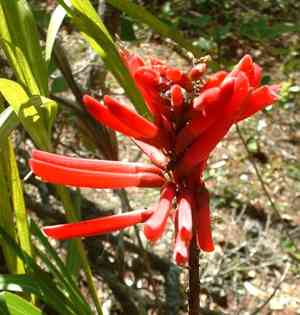
This enduring woody plant, distinguished by its vivid crimson blossoms and legume-like seed casings, flourishes in adequately drained earth and demands little upkeep. Trim coral bean by severing the prior year's development to encourage blooming and preserve its structure. The optimal period for pruning is early spring or winter while the plant is inactive. Trimming can improve airflow, lower the chance of illness, and revitalize mature specimens. Utilize hand protection when managing its thorny stalks and proceed carefully to uphold the plant's inherent silhouette.
What Are the Benefits of Pruning Coral Bean?
What Are the Benefits of Pruning Coral Bean?
Trimming coral bean encourages abundant blooms by channeling energy towards bud formation, and it also boosts the plant's defense against common pests and illnesses by removing compromised or infected growth.
What Is the Best Time for Pruning Coral Bean?
What Is the Best Time for Pruning Coral Bean?
Trimming coral bean in early spring enables gardeners to eliminate any branches damaged by frost and shape the plant before new growth emerges, ensuring a healthier structure and more vigorous development throughout the active season. Late winter pruning is also advantageous, as it aligns with the plant's dormant phase, reducing stress and minimizing sap loss that can attract pests. This timing helps stimulate the new growth that typically follows pruning, leading to optimal flowering, which occurs in spring for coral bean. Pruning during these recommended periods assists in maintaining the plant's ideal size, enhances its ornamental appeal, and promotes the growth of its vibrant red flowers.
What Tools Do I Need to Prune Coral Bean?
Bypass Pruners
Perfect for making precise cuts on coral bean due to their keen, curved blades that cleanly slice through green stems without crushing plant tissue.
Loppers
Suitable for cutting thicker, older branches of coral bean that are typically too large for bypass pruners. The long handles provide leverage to make cutting easier.
Pruning Saw
Essential for removing large branches of coral bean which loppers cannot handle, allowing for controlled cuts on mature wood without causing damage to the plant.
Hand Shears
Useful for shaping and maintaining the desired form of coral bean, especially for snipping off smaller, more delicate growths.
Gloves
Protection is vital when pruning coral bean due to the plant's spines. Gloves safeguard against scratches and potential skin irritants present in the foliage.
How to Prune Coral Bean
Clean
Sanitize pruning tools using rubbing alcohol or a 10% bleach solution to prevent the spread of disease when trimming coral bean.
Remove Diseases And Dead Material
Cut away all diseased leaves, withered leaves, dead branches, and diseased branches from coral bean at their base, using sharp shears to minimize damage.
Shape
Thin out excessive growth branches on coral bean to maintain the desired shape and improve air circulation, which reduces the risk of diseases.
Deadhead
Prune withered flowers from coral bean to redirect energy to new growth and potential blooms, cutting above the nearest set of leaves or node.
Cleanup
Gather and dispose of all removed material from coral bean to reduce the chance of pests or diseases spreading in the area.
Common Pruning Mistakes with Coral Bean
Overpruning
Removing too much foliage at once can stress coral bean, leading to weakened growth or reduced flowering.
Improper Cuts
Making cuts that are too jagged or at incorrect angles can create entry points for diseases and pests, harming coral bean's health.
Pruning Healthy Wood Unnecessarily
Cutting into healthy, productive branches without reason can limit the flowering potential of coral bean.
Ignoring Diseased Or Dead Branches
Not removing diseased, dead, or damaged branches can spread decay and affect the vigor of coral bean.
Cutting Too Close To The Main Stem
Pruning branches too close to the trunk can damage the collar of coral bean, leading to poor healing.
Not Sanitizing Tools
Failing to clean pruning tools before use can introduce pathogens to coral bean, leading to infection.
Pruning During Active Growth
Cutting back coral bean while it is actively growing can interrupt its growth cycle and reduce blooming.
Common Pruning Tips for Coral Bean
Selective Pruning
Target only the necessary branches for removal to maintain the health and shape of coral bean without over-pruning.
Sharp Tools
Use sharp and clean pruning shears to make clean cuts that heal quickly, minimizing stress on coral bean.
Diagonal Cuts
Make diagonal cuts on branches to prevent water accumulation, which can lead to rot and diseases in coral bean.
Prune For Shape
Beyond removing dead material, judiciously cut back live branches to encourage a desirable form for coral bean.
Hygiene
Disinfect tools between cuts, especially when moving between healthy and infected parts of coral bean to prevent disease spread.
Monitor Health
Regularly check coral bean for signs of distress after pruning and adjust care as needed to support recovery and growth.
Staggered Pruning
Spread pruning out over time rather than doing it all at once to minimize stress and promote consistent flowering in coral bean.



