How to Prune Wallflower?
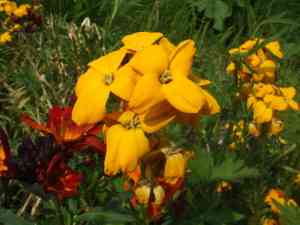
Cherished for its vivid and aromatic flowers, wallflower flourishes in bright areas. Consistent removal of faded blooms stimulates additional flowering and preserves its appearance. Trim away any withered flower stalks and discard dead or compromised leaves to foster robust development. For this particular variety, minor trimming can be carried out year-round to sculpt the plant and guarantee abundant flowering periods. Refrain from severe pruning, as this can cause stress to wallflower. Advantages of pruning encompass better air movement, decreased pest issues, and heightened plant vitality.
What Are the Benefits of Pruning Wallflower?
What Are the Benefits of Pruning Wallflower?
Trimming wallflower promotes a more abundant floral display by channeling energy towards flower development. It also sustains vitality, ensuring wallflower grows robustly with its intended form, enhancing its aesthetic appeal and overall plant health.
What Is the Best Time for Pruning Wallflower?
What Is the Best Time for Pruning Wallflower?
Late spring to early summer is the ideal period for pruning wallflower, aligning with its yearly growth and flowering cycle. Pruning at this time allows for the removal of spent blossoms, which stimulates a second bloom and encourages more compact growth. Additionally, cutting back after flowering helps preserve the plant's structure and vigor, keeping it healthy and visually appealing. Avoiding pruning in fall and winter enables wallflower to establish and strengthen before colder months, as late-season pruning can result in weaker plants more vulnerable to frost damage.
What Tools Do I Need to Prune Wallflower?
Hand Pruners
Perfect for making precise cuts on wallflower, which typically has small, manageable branches requiring regular trimming to encourage blooming and maintain shape.
Pruning Shears
Excellent for deadheading wallflower to promote a second flush of flowers. Bypass pruning shears are recommended for clean cuts that heal faster.
Gloves
Protect hands from scratches when handling wallflower, which may have rough foliage or stems.
Pruning Saw
Useful if wallflower has developed woody stems too thick for hand pruners. This tool helps cut through larger branches without harming the plant.
Loppers
May be necessary for mature wallflower specimens with thicker branches. Loppers offer more leverage and can handle branches too large for hand pruners.
Garden Scissors
Ideal for snipping withered flowers or light trimming of wallflower.
How to Prune Wallflower
Cleaning
Identify and remove any diseased leaves from wallflower using sterilized pruning shears. This prevents disease spread to healthy plant parts.
Deadheading
Cut back the faded flowers of wallflower to the next set of leaves or a new growth node. This encourages repeat blooming and healthy growth.
Debudding
Check wallflower for dead and diseased branches. Prune these branches back to healthy tissue, ensuring a clean cut that doesn't damage the main stem.
Shaping
Remove withered leaves to promote better air circulation and light penetration throughout wallflower, which helps prevent disease and pests.
Thinning
Thin out overcrowded areas of wallflower by selectively pruning to maintain the plant's natural shape and ensure sufficient space for air and light to reach inner branches.
Common Pruning Mistakes with Wallflower
Over-Pruning
Removing too much foliage at once can stress wallflower, leading to poor growth and reduced flowering. Aim to remove no more than one-third of the plant at a time.
Cutting Into Old Wood
Wallflower's old wood typically does not regenerate well. Pruning into the woody base can prevent new growth, so it's advised to focus on cutting back the greener stems.
Ignoring Deadheading
Failing to remove spent flowers can reduce the vigor and bloom production of wallflower. Regular deadheading encourages continual flowering.
Neglecting Hygiene
Using unclean pruning tools can spread disease. Sanitize tools before and after use to keep wallflower healthy.
Pruning During Active Growth
Cutting back wallflower while it is actively growing can interrupt its flowering cycle. Pruning should be done with timing that doesn't interfere with bloom development.
Common Pruning Tips for Wallflower
Selective Thinning
To maintain the health and shape of wallflower, selectively thin out congested branches. This promotes better air circulation and light penetration.
Timing After Flowering
Prune wallflower shortly after blooming to encourage new growth and prepare it for the next flowering season. Avoid late-season pruning which might stimulate growth that cannot harden off before winter.
Sharp Tools
Use sharp, clean shears or clippers to make precise cuts that heal quickly, minimizing stress and disease risk for wallflower.
Gradual Rejuvenation
For older wallflower plants, spread out the rejuvenation process over several years, pruning back a fraction of the older stems each year to stimulate new growth without shocking the plant.
Shape Maintenance
Regularly trim wallflower to maintain a desired shape and size. Make cuts just above outward-facing buds to direct new growth away from the center of the plant.



