How to Prune Common Woolly Sunflower?
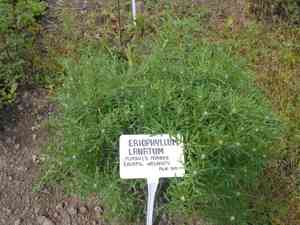
Featuring bright yellow blossoms and silver-hued leaves, the common Woolly Sunflower benefits from early spring or summer trimming to eliminate faded flowers and sculpt its form. Removing spent flowers encourages additional blooming and preserves its visual appeal. Reducing the plant by one-third following the initial peak bloom can stimulate a subsequent wave of flowers. Regular pruning also controls its dimensions and prevents the core from thinning out. Make sure to use precise cuts to prevent harm and foster robust development.
What Are the Benefits of Pruning Common Woolly Sunflower?
What Are the Benefits of Pruning Common Woolly Sunflower?
Trimming common Woolly Sunflower encourages robust development and helps maintain its dense form. Eliminating dead or overgrown stalks enhances air circulation, lowering disease vulnerability and fostering new, healthy shoots, thereby improving its aesthetic appeal and ensuring a well-defined outline.
What Is the Best Time for Pruning Common Woolly Sunflower?
What Is the Best Time for Pruning Common Woolly Sunflower?
Trimming common Woolly Sunflower in late Spring, following the final frost, allows for the removal of any winter damage and can stimulate new growth. Early Summer pruning, after flowering, aids in preserving plant shape and promotes a second bloom. Pruning at this time aligns with common Woolly Sunflower's growth cycle, as it typically flowers in early summer and can benefit from deadheading to encourage further blooming. It also enables the plant to recover and strengthen new growth before winter arrives, ensuring it remains healthy and well-shaped for the subsequent season.
What Tools Do I Need to Prune Common Woolly Sunflower?
Hand Pruners
Common Woolly Sunflower is an herbaceous perennial that typically does not grow very large, meaning lightweight and precision-friendly hand pruners are ideal for snipping stems and deadheading flowers. Hand pruners provide the control needed to make clean cuts without damaging the neighboring stems.
Pruning Shears
For shaping common Woolly Sunflower or managing its size, pruning shears can offer a sharp, clean cut necessary for healthy regrowth. They are suitable for cutting through soft, green stems and leaves.
Gardening Gloves
While common Woolly Sunflower is not particularly thorny or hazardous, gloves are still recommended to protect hands from any potential skin irritants on the foliage as well as other garden-related injuries.
How to Prune Common Woolly Sunflower
Clean tools
Before starting, ensure all pruning tools are clean and sharp to prevent the spread of disease and make clean cuts.
Remove diseases leaves
Carefully inspect common Woolly Sunflower for any diseased leaves. Use hand pruners to cut away these leaves at their base, taking care not to damage healthy tissue.
Remove withered leaves
Identify withered or dead leaves on common Woolly Sunflower. Gently prune these leaves at the point where they meet healthy growth to promote vigor and aesthetics.
Remove diseased stems
Check for any diseased stems on common Woolly Sunflower. Make a clean cut well below the affected area, ensuring to remove the entire diseased portion to prevent further infection.
Cleanup
After pruning common Woolly Sunflower, clean up all removed plant material from the ground to prevent the spread of disease and dispose of it properly.
Common Pruning Mistakes with Common Woolly Sunflower
Over-pruning
Removing too much foliage at once can stress common Woolly Sunflower, leading to weakened defense against pests and diseases.
Blunt tools
Using dull tools can cause jagged cuts that harm common Woolly Sunflower's stems, potentially inviting disease and affecting the plant's natural shape.
Improper cut location
Cutting too far from a bud or node may result in dieback, while cutting too close can damage the growth point.
Wet conditions pruning
Pruning common Woolly Sunflower when the plant is wet can increase the risk of spreading diseases between plants.
Disregarding plant structure
Failing to consider common Woolly Sunflower's natural growth habit can result in an unbalanced shape and reduce its ornamental value.
Common Pruning Tips for Common Woolly Sunflower
Clean cuts
Make clean, angled cuts just above a leaf node to promote healthier regrowth for common Woolly Sunflower.
Correct timing
Timing pruning sessions to coincide with common Woolly Sunflower's growth cycle can enhance blooming and vigor.
Tool sanitation
Disinfect pruning tools before and after tending to common Woolly Sunflower to prevent the spread of pathogens.
Thinning out
Thin out crowded areas to improve air circulation within common Woolly Sunflower, which helps in reducing the risk of fungal infections.
Rejuvenation
Occasional harder pruning can rejuvenate older common Woolly Sunflower plants, stimulating new growth and ensuring longevity.



