How to Prune Loquat?
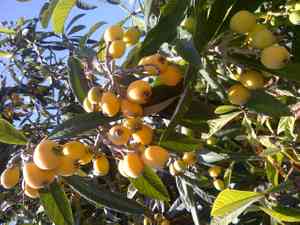
This perennial fruit-bearing tree is valued for its aromatic blossoms and delectable, tart fruits. For loquat, trim to define its form, reduce crowded branches, and eliminate any dead or ailing wood. The ideal period for pruning loquat spans from early to late spring, enabling recovery prior to its vigorous growth phase. Well-placed cuts enhance air movement and the caliber of the fruit. Refrain from extensive pruning to safeguard the harvest.
What Are the Benefits of Pruning Loquat?
What Are the Benefits of Pruning Loquat?
Trimming loquat can significantly boost harvest yields by promoting more robust development. Strategic cuts also help maintain the desired form and dimensions, enhancing the plant's aesthetic appeal and vitality.
What Is the Best Time for Pruning Loquat?
What Is the Best Time for Pruning Loquat?
From early to late spring, loquat has typically completed its fruiting cycle, and new growth hasn't fully commenced. Pruning during this period is optimal as it allows for the removal of any dead or diseased wood from the previous year without harming the plant's upcoming development. This timing also helps stimulate new growth that will become next year's fruit-bearing wood. Additionally, pruning before summer's arrival aids the plant in healing and recovering more quickly, thereby preventing diseases and pests from exploiting fresh cuts. This timeframe also avoids the removal of flower buds, which are set in late summer and fall; thus, pruning at this time ensures that blooming and subsequent fruiting are not negatively affected.
What Tools Do I Need to Prune Loquat?
Hand Pruners
For routine upkeep and the removal of small branches on loquat, hand pruners or secateurs are crucial for making precise cuts without harming the branches.
Lopping Shears
Given the thickness of some loquat branches, lopping shears offer the extra leverage needed for cutting through branches too thick for hand pruners to manage comfortably.
Pruning Saw
When dealing with mature loquat trees, a pruning saw is essential for efficiently removing larger branches. The saw's design allows for cutting thicker branches that loppers cannot handle.
Pole Pruner
Loquat can reach considerable heights, making a pole pruner ideal for safely accessing and cutting elevated branches without needing a ladder.
Gloves
Wearing gloves is advisable to shield hands from scratches and ensure a better grip on tools while pruning loquat.
How to Prune Loquat
Step1: Assess Plant and Identify Pruning Needs
Evaluate loquat before pruning to pinpoint dead wood, diseased branches, and old stems needing removal. Ensure pruning occurs in late winter or early spring, just prior to new growth beginning.
Step2: Sterilize Tools to Prevent Disease Spread
Sanitize pruning tools using a solution of 1 part bleach to 9 parts water to prevent the transmission of diseases.
Step3: Prune Dead Wood at 45-Degree Angle
Begin by removing all dead wood. Make cuts at a 45-degree angle, approximately 1/4 inch above a healthy bud or branch, using sharp, clean pruning shears or a saw for thicker branches.
Step4: Remove Diseased Branches to Healthy Wood
Inspect loquat for any indications of disease. Severely diseased branches should be cut back to healthy wood, well below the affected area. If disease is widespread, consider consulting a plant pathologist.
Step5: Prune Old Nonproductive Stems for New Growth
Identify old stems that no longer yield significant fruit or foliage. Prune these stems back to a healthy outward-facing bud or lateral branch to encourage the development of new, more vigorous branches.
Step6: Thin Crowded Branches to Enhance Air and Light
Thin out congested areas of loquat to improve air circulation and sunlight penetration, which can help reduce disease susceptibility and promote even fruiting.
Step7: Shape Naturally, Avoid Excessive Pruning
Shape loquat by selectively pruning to maintain its inherent form, avoiding excessive removal of healthy growth, which can stress the plant and diminish fruit production.
Step8: Cleanup Debris to Minimize Pest Habitat
After pruning, clear away all debris from around loquat to reduce hiding spots for pests and diseases.
Step9: Dispose of Diseased Material Safely
Properly dispose of diseased material, ideally by burning or bagging and removing it from the site to prevent reinfection.
Step10: Monitor Plant for Post-Pruning Health Issues
Monitor loquat after pruning for signs of stress, pest infestations, or new disease symptoms and take appropriate action as needed.
Post-Pruning Care for Loquat
Post-Pruning Care for Loquat
Following pruning, loquat requires immediate watering to aid recovery. Position loquat in filtered sunlight, ensuring ambient temperature and humidity support growth. Apply a balanced fertilizer to replenish nutrients; avoid excessive nitrogen. Monitor loquat for wilting, discoloration, or pest invasion as indicators of stress. If symptoms appear, address with targeted treatments like fungicides or insecticides promptly to prevent further distress.
Common Pruning Mistakes with Loquat
Avoid Over-pruning to Prevent Shock and Fruit Loss
Excessive pruning, which can shock loquat, impede growth, or reduce fruit yield.
Prune Correctly to Avoid Stubs and Disease
Pruning in a way that leaves stubs or flush cuts, which can lead to disease or pest infestation.
Respect Natural Shape to Maintain Plant Balance
Disregarding the natural form of loquat during pruning, resulting in an unbalanced or unnatural appearance.
Conserve Year's Wood for Fruit Production
Removing too much of the current year's wood, which is essential for producing fruit.
Sanitize Tools to Prevent Disease Spread
Failing to sanitize pruning tools before and after use, risking the spread of disease.
Common Pruning Tips for Loquat
Prune for Health, Light, and Airflow
Prune loquat to remove dead or diseased wood, open up the canopy for improved light penetration and airflow, and facilitate the growth of fruit-bearing wood.
Heading Cuts for Desired Branching
Make selective heading cuts to encourage branching where desired, always cutting at a slight angle just above a leaf bud facing the outside of the plant.
Thin Out for Even Light and Air Distribution
Thin out dense areas by removing entire branches or shoots to ensure adequate light and air reach all parts of loquat.
Trim Branch Tips for Shape and Size Control
Trim the tips of branches to shape loquat and manage its size, being careful not to remove more than a third of the branch length.
Use Clean, Sharp Tools for Quick Healing
Utilize sharp, clean pruning tools to make precise cuts that will heal rapidly, minimizing stress on loquat.
Rejuvenate Gradually to Avoid Stress
If rejuvenation is necessary due to overgrown, neglected, or frost-damaged loquat, spread the pruning over several seasons to prevent undue stress on the plant.



