How to Prune Dwarf horsetail?
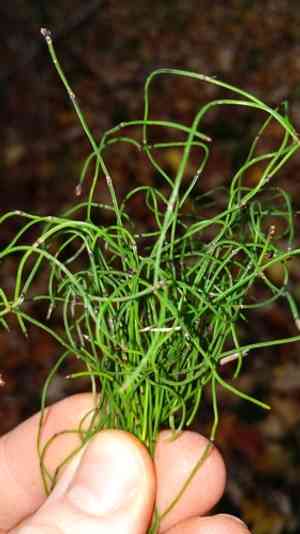
This enduring plant, featuring evergreen, reed-like stalks, flourishes with infrequent trimming. To manage its dimensions or eliminate deceased leaves, sever stems at ground level with sharp shears in spring prior to the resurgence of growth. Infrequent thinning during summer improves light exposure and air circulation, averting problems with pests. Autumnal pruning is seldom necessary but can neaten any desiccated sections. Consistent removal of detritus sustains its vitality, emphasizing dwarf horsetail's structural elegance and its likeness to a woodland floor.
Advantages of Trimming Dwarf Horsetail
Advantages of Trimming Dwarf Horsetail
Trimming dwarf horsetail promotes vigorous development and helps preserve its compact shape. Strategic cuts enhance air circulation and light penetration, lowering disease risk and boosting vitality.
Optimal Period for Pruning Dwarf Horsetail
Optimal Period for Pruning Dwarf Horsetail
Pruning dwarf horsetail in late spring is ideal as it coincides with the end of dormancy and the start of active growth, encouraging strong development and quick recovery from cuts. Early summer trimming is beneficial because dwarf horsetail has new growth that can be shaped or thinned, maintaining the plant's desired look and vigor. Early fall pruning is also suitable, allowing dwarf horsetail to heal before winter, but avoid cutting too late in the season as this might hinder the plant's ability to prepare for cold weather. Pruning during these seasons minimizes stress on dwarf horsetail, helps prevent diseases and pests, and ensures the plant keeps an attractive form without impeding next season's growth.
Necessary Tools for Pruning Dwarf Horsetail
Hand Pruners
Ideal for precise, clean cuts on the slender, reed-like stems of dwarf horsetail.
Pruning Shears
Useful for shaping and managing the spread of dwarf horsetail, enabling quick snips through its dense growth.
Scissors
Standard garden scissors may suffice for trimming softer or smaller stems of dwarf horsetail, especially for thinning or minor adjustments.
Gardening Gloves
Hand protection is crucial when handling dwarf horsetail, as its rough, ridged stems can potentially irritate the skin upon contact.
How to Prune Dwarf Horsetail
Clean tools
Before starting, clean and sanitize your pruning tools to prevent disease transmission to dwarf horsetail.
Inspect
Carefully examine dwarf horsetail to identify any diseased, withered, or dead leaves and branches that need removal.
Cut diseased leaves
Using sharp scissors or pruning shears, carefully remove diseased and withered leaves at their base, ensuring not to harm healthy parts of dwarf horsetail.
Remove dead material
Gently prune away dead and diseased branches by making clean cuts at their base. Do this in a way that preserves the natural shape of dwarf horsetail.
Dispose
Promptly discard all trimmed material to prevent disease spread and keep the garden tidy. Thoroughly clean your tools after working with dwarf horsetail.
Common Pruning Errors with Dwarf Horsetail
Excessive pruning
Removing too much growth can weaken dwarf horsetail and distort its natural shape. This plant requires minimal pruning, and overdoing it can reduce its vitality.
Pruning healthy stems
Cutting healthy stems instead of only damaged or dead ones can unnecessarily stress the plant. Dwarf horsetail often only needs selective removal of unattractive or unhealthy parts.
Incorrect tools
Using dull or dirty pruning tools can lead to jagged cuts and potential disease transmission. It's important to use clean, sharp scissors or pruners specifically designed for delicate stems.
Ignoring plant structure
Failing to consider the natural shape and growth habit of dwarf horsetail can result in a less appealing plant. Pruning should follow and maintain the plant's characteristic structure.
Cutting new growth
Pruning emerging shoots can hinder dwarf horsetail's growth. Patience at the start of the growing season allows the plant to thrive and reach its full potential.
General Pruning Advice for Dwarf Horsetail
Selective pruning
Carefully choose stems for removal, focusing on dead or damaged ones to maintain dwarf horsetail's health without over-pruning.
Post-bloom trimming
Prune just after any browning or when stems have lost vigor; this helps direct energy into the plant's overall growth and vitality.
Sterilize tools
Always use sterilized pruning tools to make clean cuts and prevent the spread of disease.
Cut angle
Make cuts at a slight angle, which promotes better healing and water runoff, thereby protecting dwarf horsetail from potential rot or infection.
Moderation is key
Prune sparingly, understanding that dwarf horsetail has a naturally dense growth habit, and excessive pruning can be harmful.



