How to Prune Rough horsetail?
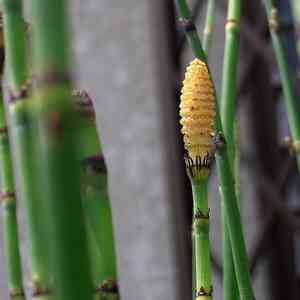
Equisetum hyemale, a primeval perennial fern relative, is recognized for its hollow, segmented stalks and coarse feel. Strategic trimming in early spring or late winter enhances vigor and form. Cut back compromised or aged portions to the soil line for revitalization. Reduce density in congested zones to ensure air circulation and deter decay. Advantages encompass regulated expansion, more robust development, and improved visual attractiveness. Exercise caution when pruning, as excessive removal can hinder recuperation.
What Are the Benefits of Pruning Rough Horsetail?
What Are the Benefits of Pruning Rough Horsetail?
Trimming rough horsetail promotes robust development and helps maintain its desired shape. Regular cutting can prevent overcrowding, ensuring each stalk has sufficient room and resources to flourish.
What Is the Best Time for Pruning Rough Horsetail?
What Is the Best Time for Pruning Rough Horsetail?
During late winter, rough horsetail is typically inactive, which minimizes stress and the risk of disease spread through pruning cuts. This timing allows for the removal of any dead or damaged stalks before new growth begins. In early spring, just prior to the start of the new growth cycle, pruning can help shape the plant and manage its size, leading to a healthier plant structure that supports vigorous growth throughout the growing season.
What Tools Do I Need to Prune Rough Horsetail?
Sharp Scissors or Shears
Given the relatively slender, hollow stems of rough horsetail, sharp scissors or hand shears are adequate for making clean cuts without harming the stalks.
Pruning Saw
For larger, more established clumps of rough horsetail with thicker stems, a pruning saw might be necessary to cut through the tougher material effectively.
Gloves
Wearing gloves is recommended when pruning rough horsetail to prevent any irritation from the plant's silica content and to shield hands from sharp edges.
Garden Fork or Spade
To manage the spread of rough horsetail, a garden fork or spade can be used to help divide the plant or remove unwanted rhizomes from the soil.
Waste Bag or Bin
Since rough horsetail can be invasive, it's crucial to collect all cuttings and dispose of them properly, using a waste bag or bin to prevent any discarded pieces from taking root elsewhere.
How to Prune Rough Horsetail
Step1: Assess Plant and Identify Unhealthy Stems
Identify rough horsetail plants that require trimming by evaluating their health and appearance. Look for dead stalks, recognizable by their brown, brittle texture, and yellowing stalks, which may indicate aging or poor health. These are the specific parts that need to be removed.
Step2: Prepare and Disinfect Pruning Tools
Prepare your pruning shears or scissors. Ensure they are clean and sharp to avoid damaging the stems of rough horsetail. Disinfect the blades with rubbing alcohol to prevent the spread of disease.
Step3: Wear Gloves for Hand Protection
Put on gardening gloves to protect your hands. The rough texture of rough horsetail's stems can cause irritation or minor cuts.
Step4: Prune Dead Stems at Base
Begin pruning by removing dead stems first. Cut each dead stem of rough horsetail at its base, as close to the ground as possible, to encourage new growth and improve air circulation.
Step5: Angle-Cut Yellowing Stems Above Healthy Node
Proceed to prune the yellowing stems. Cut these stems of rough horsetail at a 45-degree angle, just above a healthy segment or node to encourage new shoot development.
Step6: Clean Blades After Each Cut
After each cut, clean the blades of your pruning tool to prevent any potential transfer of plant diseases or pests between the cuts of rough horsetail.
Step7: Dispose of Pruned Stems Properly
Once pruning is complete, collect all the cut stems and dispose of them properly. Do not compost them, as rough horsetail can easily propagate from small fragments and could spread unintentionally.
Step8: Water Plant Post-Pruning
Water the base of rough horsetail lightly if the soil is dry to help the plant recover from the pruning process. It is crucial to avoid overwatering as rough horsetail prefers well-drained conditions.
Step9: Monitor Plant for New Growth
Observe the pruned rough horsetail over the following weeks, looking for signs of new growth. Pruning should stimulate healthy new stems to develop.
Step10: Maintain Regular Pruning Schedule
Repeat the pruning process annually or as needed. Regular observation and maintenance pruning will help keep rough horsetail looking its best and within its designated space.
Post-Pruning Care for Rough Horsetail
Post-Pruning Care for Rough Horsetail
Immediately after trimming rough horsetail, water the soil thoroughly to lessen pruning shock. Maintain high humidity around rough horsetail without wetting the foliage. Place rough horsetail in bright, indirect light; avoid direct sun that may scorch newly cut areas. Adjust temperature to 60-70°F for optimal recovery. Fertilize with a balanced, diluted solution to support regrowth, avoiding over-fertilization. Monitor rough horsetail closely for discoloration or wilting, indicative of stress or disease. If symptoms appear, isolate rough horsetail and consult a specialist for targeted care.
Common Pruning Mistakes with Rough Horsetail
Weakening Plant Through Over-pruning
Excessive pruning: Removing too many stems of rough horsetail at once can weaken the plant, causing stress and hindering its natural growth patterns.
Removing Photosynthesis-Critical Green Stems
Trimming healthy, green stems: Cutting back the green and healthy stems of rough horsetail could remove the vital parts that the plant needs for photosynthesis and growth.
Fungal Risks by Ignoring Dead Stems
Neglecting dead or damaged stems: Failing to remove dead or damaged stems can lead to fungal infections or pest infestations, compromising the health of rough horsetail.
Infecting Plant with Dull or Unclean Tools
Using dull or unclean tools: This can damage the stems of rough horsetail and introduce disease. Always use sharp, clean pruning shears or scissors.
Common Pruning Tips for Rough Horsetail
Remove Dead Stems to Direct Energy
Focus on removing dead or yellowing stems to maintain the health and appearance of rough horsetail. This helps direct the plant's energy to the healthy stems.
Clean Base Cuts Prevent Pests and Decay
Cut the stems at the base near the soil level, ensuring a clean cut without leaving stubs that could decay and invite pests or diseases.
Thin for Air Circulation to Prevent Fungus
Thin out crowded areas to improve air circulation, which is especially beneficial for rough horsetail as it reduces the chance of fungal diseases.
Control Spread by Removing Rhizomes
If controlling the spread of rough horsetail, remove any undesired rhizomes (underground stems) to prevent aggressive colonization of garden areas.
Compost Cuttings to Avoid Unwanted Propagation
Dispose of or compost the cuttings away from the desired planting area, as rough horsetail can propagate from segments of stems or rhizomes left on the ground.



