How to Prune Golden pothos?
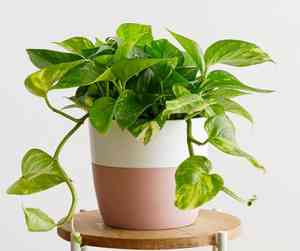
Epipremnum aureum, a favored indoor plant recognized for its trailing tendrils and atmospheric purification attributes, thrives with consistent trimming. Essential methods involve shortening elongated stalks to foster denser development and eliminating discolored or compromised foliage to preserve well-being. Perform pruning during the vigorous growth phase, spanning from early spring through late autumn. Ensure the use of sanitized, keen cutting tools to avert pathogen spread. Trimming not only sculpts the plant but also incites fresh development and revitalizes the greenery.
What Are the Benefits of Pruning Golden Pothos?
What Are the Benefits of Pruning Golden Pothos?
Trimming golden pothos promotes robust development and helps maintain its desired shape. By removing elongated or discolored foliage, golden pothos can direct energy into fresh, healthy leaves, ensuring a lush and attractive appearance.
What Is the Best Time for Pruning Golden Pothos?
What Is the Best Time for Pruning Golden Pothos?
In early spring, golden pothos is just starting its active growth phase, allowing it to recover quickly and channel energy into producing new, healthy foliage. Pruning at this time encourages a full, dense growth pattern before the main growing season. Late autumn signifies the end of the active growth period, making it another suitable time for shaping and removing any unwanted or leggy growth. Pruning then prepares golden pothos for the next growth cycle by eliminating any potentially diseased or yellowing leaves, which prevents issues that could arise during the slower winter months. Golden pothos lacks a distinct flowering or fruiting season affected by pruning, thus permitting flexible trimming schedules within the specified timeframe.
What Tools Do I Need to Prune Golden Pothos?
Clean, Sharp Scissors or Snips
For golden pothos, which has relatively soft stems, clean and sharp scissors or hand snips are perfect for making precise cuts without harming the plant. This ensures a healthy pruning process.
Gloves
When trimming golden pothos, it's wise to wear gloves to shield hands from potential skin irritation caused by the sap, and to maintain cleanliness.
Disinfectant
Before and after pruning golden pothos, sanitizing the tools is vital to prevent disease transmission. A simple solution like rubbing alcohol or a bleach mixture can be used for this purpose.
How to Prune Golden Pothos
Step1: Identify Unhealthy Plant Parts
Locate and isolate yellow leaves and withered stems on golden pothos. These often indicate overwatering, insufficient light, or simply the natural aging of lower leaves.
Step2: Sterilize Pruning Tools
Ensure your pruning implements, such as sharp scissors or pruning shears, are clean and sterilized to prevent the spread of pests or diseases during the trimming process.
Step3: Position Cuts at Base of Issues
Find the base of the yellow leaf or where the withered stem connects to a healthy part of golden pothos. For yellow leaves, this is typically where the leaf stem meets the main vine or branch.
Step4: Execute Clean Cuts
Make a precise cut on the yellow leaf stem or withered stem, ensuring the cut is clean and close to the junction with healthy tissue without causing damage. If pruning a withered stem, cut just before a leaf node or a healthy section of the vine.
Step5: Inspect Cut Quality
After removal, examine the fresh cuts to ensure no jagged edges or stubs remain, as these can attract pests or disease. If needed, make an additional clean cut to smooth out any roughness.
Step6: Dispose of Debris Safely
Properly discard the pruned yellow leaves and withered stems, keeping them away from the base of golden pothos to prevent fungal growth or other potential problems.
Step7: Nurture Post-Pruning Growth
Water golden pothos thoroughly but infrequently, allowing the soil to dry out between watering sessions, and provide bright, indirect light to encourage healthy new development.
Step8: Monitor Plant Health
Observe golden pothos after pruning for signs of stress or further yellowing, which may require adjustments in watering practices, lighting conditions, or even repotting if the plant is root-bound.
Post-Pruning Care for Golden Pothos
Post-Pruning Care for Golden Pothos
Immediately after trimming golden pothos, ensure clean cuts to prevent infection. Maintain a humid environment, ideally between 60-75%, and expose golden pothos to bright, indirect light at a temperature of 70-90°F. Resume fertilization with a balanced, water-soluble fertilizer after 4 weeks to support growth, applying once monthly. Regularly check for wilting, discoloration, or spots as indicators of stress or disease. If symptoms are present, isolate golden pothos and apply appropriate treatment, such as fungicide for infections.
Common Pruning Mistakes with Golden Pothos
Spreading Disease with Unsterilized Tools
Failing to sterilize pruning tools before use, which can transmit diseases to golden pothos.
Excessive Pruning Causing Stress or Shock
Trimming too much at once, which can stress golden pothos and lead to poor growth or plant shock.
Improper Cut Placement Hindering New Growth
Cutting into old, hardened stems where new growth is less likely to emerge, instead of focusing on pruning just above leaf nodes on younger stems.
Leaving Stubs that Lead to Rot and Pests
Leaving stubs when cutting stems, which can cause rot and attract pests or diseases.
Common Pruning Tips for Golden Pothos
Sharp, Clean Cuts with Sterilized Tools
Utilize sharp and clean pruning shears or scissors to make precise cuts and minimize damage to golden pothos's stems.
Prune Above Leaf Node for Bushier Growth
Always trim just above a leaf node, as this is where new growth will appear. This promotes bushier growth and maintains the aesthetic appeal of golden pothos.
Remove Damaged Leaves to Prevent Disease
Remove any yellow, brown, or damaged leaves to prevent the spread of potential disease and to redirect energy to healthier growth.
Pinch Tips for Stimulated Lateral Growth
For a fuller plant, regularly pinch off the tips of golden pothos, which stimulates lateral growth from the nodes below the cut.
Thin Inner Growth for Air and Light
When thinning out golden pothos, focus on removing some of the inner growth to improve air circulation and light penetration throughout the plant.
Cut Back Vines for Compact Plant Shape
If golden pothos is growing too long and leggy, encourage more compact growth by cutting back long vines to the desired length. This helps maintain the plant's shape and size.



