How to Prune California fuchsia?
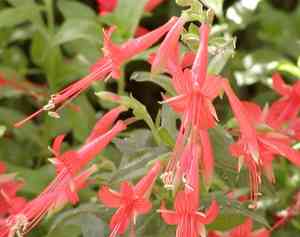
This perennial shrub, a favorite of hummingbirds, features vibrant tubular flowers and thrives in adequately drained earth. For California fuchsia, trim in early spring or following the final blossoms in late summer to encourage denser development and the subsequent season's flowering. Consistent removal of spent blooms boosts floral production. Reduce its size by one-third, focusing on elongated and lifeless stems to sustain vitality. Refrain from extensive trimming late in the season, as this may diminish the spring bloom potential.
What Are the Benefits of Pruning California Fuchsia?
What Are the Benefits of Pruning California Fuchsia?
Trimming california fuchsia promotes vigorous development and maintains its desired form. Eliminating old or spent growth ensures a compact, lush look and encourages abundant flowering.
What Is the Best Time for Pruning California Fuchsia?
What Is the Best Time for Pruning California Fuchsia?
These periods are considered ideal for pruning california fuchsia due to its growth cycle and bloom time. In early spring, california fuchsia enters a growth phase, making it a good time to shape the plant and encourage robust growth throughout the season. Pruning before new growth begins helps ensure the plant's energy is directed towards developing new, healthy shoots. Late summer, after flowering, is another suitable time for pruning. This is when california fuchsia can be trimmed to remove spent flowers and maintain a desired shape, which can stimulate another round of flowering and prevent the plant from becoming leggy or overgrown. These pruning times align with california fuchsia's natural cycle and can enhance both the plant's health and its aesthetic appeal.
What Tools Do I Need to Prune California Fuchsia?
Hand Pruners
Perfect for cutting california fuchsia's slender stems, hand pruners provide the precision and control needed to maintain the plant's shape and remove dead or damaged parts.
Pruning Shears
Pruning shears are suitable for snipping blooms and trimming soft foliage of california fuchsia, fostering a healthy and visually appealing growth habit.
Loppers
For reaching deeper into california fuchsia and cutting slightly thicker stems that hand pruners can't manage, loppers are an effective, leverage-providing tool.
Gloves
Wearing gloves is crucial for protecting the gardener's hands from scratches when handling california fuchsia, especially when working with mature plants that may have tougher stems.
How to Prune California Fuchsia
Step1: Timing for Pruning
Wait for the appropriate time of year to prune california fuchsia, which should be in late fall to early winter, after the blooming period has concluded and before new spring growth commences.
Step2: Preparing Pruning Tools
Prepare the necessary tools for pruning. Use sharp, clean pruning shears to make healthy cuts and prevent disease.
Step3: Identifying Old Flower Stems
Identify old flower stems on california fuchsia, which are stems that have flowered and are now wilting or have dried petals.
Step4: Pruning at the Base
Prune the old flower stems at their base, just above the point where new growth is emerging. Make cuts at a 45-degree angle to promote healing and prevent water accumulation that could lead to rot.
Step5: Shaping the Plant
Assess california fuchsia for shape and size after removing the old flowers. Lightly trim any other parts of the plant that may be overgrown or to maintain a compact shape, ensuring you do not remove more than one-third of the plant.
Step6: Removing Pruned Debris
Clear away all the pruned material from around the base of california fuchsia to prevent any fungal diseases and to keep the area tidy.
Step7: Watering After Pruning
Water california fuchsia lightly if the soil is dry, to help reduce stress on the plant and encourage new growth.
Step8: Monitoring New Growth
Monitor california fuchsia for new growth throughout the growing season, and repeat the pruning process as necessary to remove old flowers and maintain the desired shape.
Post-Pruning Care for California Fuchsia
Post-Pruning Care for California Fuchsia
Immediately after pruning california fuchsia, irrigate to maintain moist soil, without waterlogging. Position the plant to receive full sun, ensuring it's protected from harsh temperatures. Adjust light exposure gradually if california fuchsia was previously shaded. Post-pruning, california fuchsia benefits from a balanced, slow-release fertilizer to encourage growth. Monitor for drooping, discoloration, or signs of infection, and if detected, address with appropriate horticultural remedies. Maintain consistent care, avoiding drastic environmental changes to support california fuchsia's recovery.
Common Pruning Mistakes with California Fuchsia
Over-pruning: Stress and Reduced Flowering
Trimming too severely, which can stress california fuchsia and potentially reduce its vigor and flowering potential.
Improper Cut Locations: Bare Patches and Shape Issues
Cutting into old wood where california fuchsia might not easily resprout, which can result in bare patches and a less aesthetically pleasing shape.
Dull or Unclean Tools: Stem Damage and Disease Risk
Using dull or unclean tools, which can damage stems and make california fuchsia more susceptible to diseases.
Ignoring Natural Shape: Unnatural Look and Less Blooms
Pruning without assessing the plant's natural shape, leading to an unnatural appearance or reduced flowering.
Not Removing Dead Material: Inhibited Growth and Health Risk
Neglecting to remove dead or diseased material, which can inhibit new growth and jeopardize the overall health of california fuchsia.
Common Pruning Tips for California Fuchsia
Sharp, Clean Cuts: Disease Prevention and Quick Healing
Use sharp, clean pruning shears to make precise cuts on california fuchsia, reducing the risk of disease and promoting quicker healing.
Pruning Above Leaf Nodes: Bushier Growth and More Blooms
Focus on shaping california fuchsia by pruning just above the leaf nodes to encourage bushier growth, which leads to more blooms.
Deadheading Flowers: Encourages Continuous Blooming
Regularly deadhead spent flowers to encourage continued blooming throughout the season for a more vibrant california fuchsia.
Thinning Crowded Areas: Better Air Flow and Sunlight
Thin out any overcrowded areas to improve air circulation and sun exposure, which are beneficial for the health and flowering of california fuchsia.
Post-Bloom Light Pruning: Maintain Size Without Harm
After blooming, lightly prune california fuchsia to maintain its desired size and shape, taking care not to cut back too harshly which could harm next season's growth.
Remove Dead Stems: Maintains Robustness and Deters Pests
Periodically check for and remove any dead or dying stems to maintain the robustness of california fuchsia, helping to deter pests and diseases.



