How to Prune Fireweed?
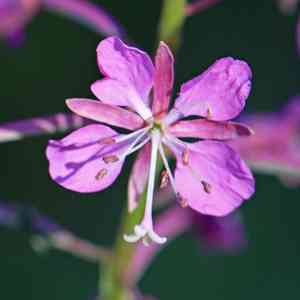
This tall, herbaceous perennial, recognized for its vivid purple flower spikes, flourishes with infrequent trimming. In spring, remove withered stalks to stimulate fresh development. Throughout summer, deadhead faded blossoms to encourage ongoing flowering and, if preferred, to deter self-propagation. Trimming fireweed subsequent to its blooming period can also induce a second flush of flowers. The timing of this activity is critical; perform pruning when the plant is inactive or directly after it has flowered to avoid negatively affecting the following year's growth. Consistent pruning sustains the plant's vitality and improves its aesthetic qualities.
Advantages of Trimming Fireweed
Advantages of Trimming Fireweed
Trimming fireweed promotes robust development by reallocating energy to emerging shoots. Pruning helps maintain the plant's form for a neater garden appearance.
Optimal Time for Pruning Fireweed
Optimal Time for Pruning Fireweed
Pruning fireweed from late winter to early spring aligns with its dormant phase, preventing stress during active growth and lowering disease risk. This prepares fireweed for new spring growth. Summer pruning should occur after flowering to avoid cutting off blooming stems, which can diminish the plant's vitality and ability to flourish. This timing preserves plant health and aesthetics, fostering vigorous growth in the subsequent cycle.
Necessary Tools for Pruning Fireweed
Hand Pruners
Ideal for snipping dead flowers and slender stems on fireweed, promoting plant health by encouraging new growth. Hand pruners offer precision, perfect for cutting without causing undue harm to the plant.
Pruning Shears
Best for shaping and trimming fireweed, especially to maintain a desired height and look. The scissor-like action of pruning shears is effective for cutting through soft stems with clean cuts to encourage quick healing.
Hedge Shears
Useful when fireweed forms denser clusters and needs shaping over a larger area. Hedge shears allow for straight, even cuts across multiple stems, helpful in managing spread and encouraging a bushier growth habit.
Gardening Gloves
Wearing gloves is crucial to shield hands from potential irritation that might be caused by the hairs of fireweed. Proper gloves enhance grip strength and prevent accidental slips during pruning.
Long-Handled Loppers
Perfect for reaching deeper into thick clumps of fireweed or for cutting thicker, woodier stems that hand pruners cannot manage. The long handles provide leverage, making it easier to cut through tough material.
How to Prune Fireweed
Disinfect tools
Before beginning, sanitize pruning shears with isopropyl alcohol or a 10% bleach solution to prevent disease transmission.
Remove diseased leaves
Carefully inspect fireweed and use the disinfected shears to cut away any leaves showing signs of illness, ensuring a clean cut without tearing.
Trim withered leaves
Identify and remove any wilted or dried leaves from fireweed to maintain healthy growth and appearance, cutting at the base of the unwanted leaf.
Cut diseased stems
Prune away stems with visible disease symptoms from fireweed, making cuts above healthy buds or leaf nodes to encourage new growth.
Clean up
Gather and dispose of all removed plant material from fireweed to reduce the chance of spreading diseases and tidy the surrounding area.
Common Pruning Errors with Fireweed
Over pruning
Removing too much foliage from fireweed, which can stress the plant and lead to poor growth or reduced flowering.
Improper cut locations
Cutting fireweed too close to main stems or too far from buds can impede proper healing and new growth.
Using dull tools
Employing dull tools can result in jagged cuts that may harm fireweed and invite disease.
Pruning healthy growth
Unnecessarily cutting back healthy stems of fireweed can diminish the plant's vigor and flowering potential.
Neglecting cleanliness
Failing to sterilize pruning tools between uses can spread diseases among fireweed and other plants.
Ignoring plant structure
Not considering the natural growth habit of fireweed during pruning can lead to an unnatural appearance and poor flowering.
General Pruning Advice for Fireweed
Selective pruning
Focus on removing only dead, diseased, or damaged stems to maintain the health and aesthetic of fireweed.
Timing
Prune fireweed after flowering concludes to prevent cutting off developing buds, which will become next season's flowers.
Equipment
Use sharp and sterilized pruning tools to make clean cuts on fireweed, reducing potential harm to the plant.
Cut angle
When pruning fireweed, cut at a 45-degree angle just above a bud to facilitate water runoff and minimize disease risk.
Moderate pruning
Balance the removal of older stems with the preservation of new growth to encourage a healthy, flowering fireweed.
Follow natural shape
Prune fireweed by following its natural form, which will support the plant in producing a pleasing and natural growth pattern.



