How to Prune Chinese emmenopterys?
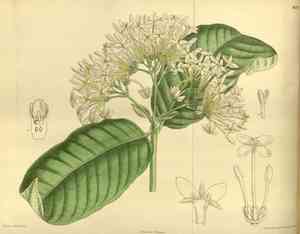
A seldom-seen deciduous tree valued for its aromatic flowers, chinese emmenopterys flourishes with judicious trimming to sculpt its form and foster air circulation. The most opportune time for pruning is in late winter or early spring, prior to the emergence of fresh shoots. Eliminate any lifeless or ailing wood, reduce the density of congested branches, and shorten any excessive growth to preserve its framework and vitality. Pruning not only refines its aesthetic but also elevates the caliber of its blossoms and its overall well-being.
Advantages of Trimming Chinese Emmenopterys
Advantages of Trimming Chinese Emmenopterys
Consistent trimming of chinese emmenopterys promotes robust development and preserves its desired shape. Well-timed cuts can enhance the plant's vitality and appearance, while also keeping its size manageable within a garden.
Optimal Period for Pruning Chinese Emmenopterys
Optimal Period for Pruning Chinese Emmenopterys
The ideal time for pruning chinese emmenopterys is during late winter and early spring. Pruning at this time is advantageous because chinese emmenopterys is dormant, meaning its active growth has slowed or stopped. This timing minimizes stress on the plant as its need for resources to support major growth functions is low. Furthermore, the absence of leaves during dormancy offers a clearer view of the plant's structure, enabling more precise and strategic cuts. Late winter pruning prepares chinese emmenopterys for vigorous spring growth by removing dead or diseased wood, shaping the plant, and improving air circulation. It also avoids cutting off the upcoming bloom buds that form in spring. Pruning in early spring, just before growth resumes, allows chinese emmenopterys to quickly heal wounds and direct energy into producing new growth, which is crucial for flowering and fruiting as it sets the stage for the season ahead.
Tools Required for Pruning Chinese Emmenopterys
Hand Pruners
Chinese emmenopterys possesses relatively slender branches that are easily managed with hand pruners. For clean cuts that do not harm the plant, bypass pruners are preferred over anvil-style pruners, as they create cleaner cuts and reduce damage to living tissue.
Lopping Shears
For mature chinese emmenopterys specimens with thicker branches, lopping shears are essential. They feature longer handles, providing increased leverage for cutting through branches that exceed the capacity of hand pruners but are less than two inches in diameter.
Pruning Saw
If chinese emmenopterys has developed branches with a diameter greater than two inches, a pruning saw should be employed. This tool will enable cutting through larger wood without causing undue strain on the gardener or harm to the plant.
Pole Pruner
Should chinese emmenopterys have grown tall and require pruning of high branches, a pole pruner with a saw attachment can be utilized. This eliminates the need for a ladder and allows for safe pruning of hard-to-reach areas.
Hedge Shears
Though not frequently needed, if a specific shape is desired in a hedge setting, hedge shears can be used for more efficient shaping of chinese emmenopterys over large areas. Given the plant's growth habit, this may be relevant in rare instances.
How to Prune Chinese Emmenopterys
Identify
Examine chinese emmenopterys closely to pinpoint dead or diseased branches that require removal. Look for branches exhibiting signs of decay, lacking foliage or vitality, or appearing discolored or damaged.
Sterilize
Before making any cuts, disinfect pruning tools with alcohol or a bleach solution to prevent the spread of disease to healthy parts of chinese emmenopterys.
Prune dead branches
Using clean, sharp tools, carefully remove dead branches at their point of origin or back to a healthy lateral branch, making cuts at a slight angle to encourage water runoff and lessen the risk of disease.
Prune diseased branches
Remove diseased branches similarly to dead branches, but ensure to cut well into healthy tissue to eliminate all affected parts of the branch.
Dispose
Properly discard dead and diseased branches far from chinese emmenopterys to prevent re-infection or attracting pests. Do not compost diseased material.
Common Pruning Errors with Chinese Emmenopterys
Excessive Pruning
Removing too much foliage can stress chinese emmenopterys, impeding its growth and flowering. This is a frequent mistake, especially among beginners, who might prune aggressively to shape the plant or stimulate new growth.
Incorrect cutting technique
Improper cutting can harm chinese emmenopterys, creating jagged wounds susceptible to infections. A common error is making blunt or angled cuts that fail to promote healing or cutting too close to the bud, which can impair the plant's natural defense mechanisms.
Pruning healthy wood
Trimming robust, healthy branches that contribute to the overall structure and beauty of chinese emmenopterys can be a misjudgment. Removing these parts can reduce flowering potential and vigor.
Neglecting tool maintenance
Dull or unclean pruning tools can create rough cuts, spread diseases, and damage the tissues of chinese emmenopterys. Gardeners, particularly novices, often overlook the importance of using sharp, clean tools for each pruning session.
Ignoring plant structure
Failing to consider the natural shape and growth habit of chinese emmenopterys when pruning can result in a poorly structured plant lacking in aesthetic appeal and health. This oversight is common among those unfamiliar with the plant's characteristics.
General Pruning Advice for Chinese Emmenopterys
Assess wood condition
Prior to pruning, evaluate the wood to differentiate between dead, diseased, or damaged branches and healthy growth. For chinese emmenopterys, it is crucial to selectively remove compromised wood to foster healthy development and flowering.
Employ correct technique
Make clean, sharp cuts at a slight angle approximately 1/4 inch above a bud that faces away from the plant's center. This method promotes proper healing and directs new growth outward on chinese emmenopterys, enhancing air circulation and light access.
Focus on aesthetic shaping
Prune chinese emmenopterys with a clear objective, aiming to preserve its natural form. Lightly trim to accentuate its inherent shape rather than imposing an unnatural form on the plant.
Clean pruning tools
Regularly sanitize pruning tools with a solution of 1 part bleach to 9 parts water or rubbing alcohol. Clean tools prevent the spread of disease and ensure smooth cuts on chinese emmenopterys, aiding its recovery post-pruning.
Minimal pruning approach
Adopt a conservative approach to pruning chinese emmenopterys, especially if inexperienced. This species often requires only minimal shaping and deadwood removal to thrive, as it responds better to lighter pruning.



