How to Prune Eastern bottle-brush grass?
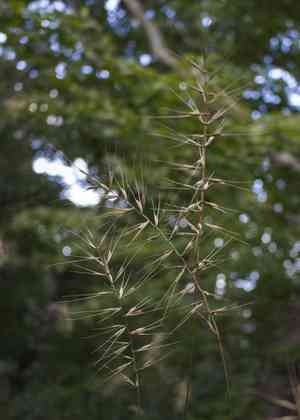
Eastern bottle-brush grass, a perennial decorative grass, showcases spiky seed heads resembling bottle brushes. Trim eastern bottle-brush grass during late winter or early spring, prior to the emergence of new growth, by cutting back the previous year's foliage to the soil line to encourage robust, new stems. Eliminating spent matter revitalizes the plant and preserves its inherent shape, guaranteeing strong development and an attractive look. Consistent trimming additionally manages its dimensions and expansion within cultivated areas.
What Are the Benefits of Pruning Eastern Bottle-brush Grass?
What Are the Benefits of Pruning Eastern Bottle-brush Grass?
Trimming eastern bottle-brush grass encourages fresh development, fostering a strong and lively specimen. Strategic cutting helps preserve its inherent shape, ensuring eastern bottle-brush grass remains appealing and well-proportioned in the landscape.
What Is the Best Time for Pruning Eastern Bottle-brush Grass?
What Is the Best Time for Pruning Eastern Bottle-brush Grass?
Pruning eastern bottle-brush grass in late winter or early spring is ideal as these periods precede its active growth phase. Late winter trimming aids in removing dead or damaged foliage before new growth emerges, and early spring allows for shaping eastern bottle-brush grass before it expends energy on leaf development. During these cooler times, the plant is often dormant, meaning less stress is placed on eastern bottle-brush grass while it conserves energy for the growing season. Furthermore, since eastern bottle-brush grass has finished its annual cycle, pruning now will not interfere with blooming or seed production, which typically occurs in summer. Trimming during dormancy can also help prevent disease spread, as many pathogens are less active in cold weather.
What Tools Do I Need to Prune Eastern Bottle-brush Grass?
Hand Pruners
Perfect for precise cuts on eastern bottle-brush grass's flower stalks and leaves. Hand pruners provide the control needed to trim without harming nearby growth.
Shears
Suitable for cutting back larger sections of eastern bottle-brush grass when thinning is necessary to maintain the plant's health and appearance.
Gardening Gloves
Not a cutting tool, but crucial for protecting hands from eastern bottle-brush grass's rough edges during the pruning process.
Leaf Rakes
After pruning, use rakes to collect and remove the trimmed parts of eastern bottle-brush grass from the garden area to reduce the risk of disease and pests.
How to Prune Eastern Bottle-brush Grass
Clean tools
Before starting, thoroughly clean and sanitize pruning tools to prevent the spread of diseases to eastern bottle-brush grass.
Identify diseased
Carefully inspect eastern bottle-brush grass for diseased leaves, which may appear discolored, spotted, or misshapen. Use your tools to remove these leaves by cutting at the base of the affected leaf.
Remove withered
Locate any withered or dead leaves on eastern bottle-brush grass. These are typically dry, brown, and may be brittle. Cut these leaves back to the base, being careful not to damage new growth.
Cleanup
Gently remove all pruned material from around the base of eastern bottle-brush grass to prevent any potential disease or pest issues.
Disinfect
After pruning, disinfect your tools again to avoid spreading any pathogens to other plants or back to eastern bottle-brush grass in the future.
Common Pruning Mistakes with Eastern Bottle-brush Grass
Over-pruning
Cutting back eastern bottle-brush grass too much can stress the plant, potentially leading to reduced vigor and sparse foliage.
Improper tool use
Using dull or unclean tools can cause damage to the stems of eastern bottle-brush grass, increasing vulnerability to disease.
Pruning for shape
Attempting to significantly alter the natural form of eastern bottle-brush grass through pruning can compromise its growth habit and overall health.
Ignoring dead material
Failing to remove dead or dying foliage can hinder new growth and detract from eastern bottle-brush grass's appearance.
Pruning at flowering
Removing the seed heads right after flowering can prevent the natural self-seeding process, which is important for eastern bottle-brush grass propagation.
Common Pruning Tips for Eastern Bottle-brush Grass
Selective thinning
Thin out crowded areas to increase air circulation, which is essential for maintaining the health of eastern bottle-brush grass.
Clean cuts
Make clean cuts at a slight angle just above a node or bud to encourage healthy re-growth in eastern bottle-brush grass.
Tool maintenance
Use sharp, clean pruning shears to make precise cuts and reduce the chance of disease in eastern bottle-brush grass.
Post-flowering care
After eastern bottle-brush grass has flowered, remove only the spent seed heads if desired for aesthetic reasons, while leaving some for self-seeding.
Seasonal timing
Understanding the life cycle of eastern bottle-brush grass, while excluding the specific season, informs when to carry out pruning without compromising the plant's health.



