How to Prune Blue wild rye?
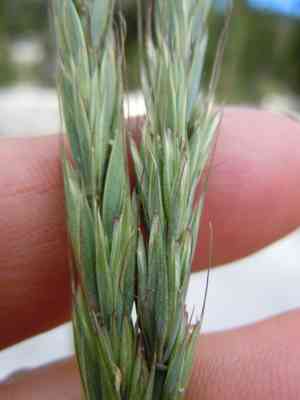
A hardy grass prized for its durability and bluish-green leaves, blue wild rye flourishes with little upkeep. To ensure peak health, trim in early spring or winter, cutting back old, withered growth to stimulate new sprouts. Regular trimming offers advantages such as enhanced air movement and better plant shape. Concentrate on eliminating lifeless or ailing foliage to keep a neat look and deter unwanted organisms. Exercise care to preserve the plant's inherent shape, supporting its visual appeal and environmental function.
Advantages of Trimming Blue Wild Rye
Advantages of Trimming Blue Wild Rye
Trimming blue wild rye encourages fresh development, ensuring its robustness and vitality. It also aids in preserving its desired shape, preventing it from becoming overgrown and enhancing its visual appeal.
Optimal Period for Trimming Blue Wild Rye
Optimal Period for Trimming Blue Wild Rye
Trimming blue wild rye during early spring or winter aligns with its dormant phase, which typically follows the autumn growing season and precedes new spring growth. During dormancy, the plant is less vulnerable to stress and illnesses that can arise from pruning. Early spring trimming revitalizes blue wild rye by removing dead or damaged winter foliage, fostering healthy growth as the season begins. Winter pruning also helps maintain plant structure and vigor, as the absence of leaves makes the plant's framework more visible. It's crucial to avoid pruning when blue wild rye is actively growing or flowering to prevent disrupting its natural cycle.
Necessary Tools for Trimming Blue Wild Rye
Hand Pruners
For precise cuts on individual leaves and slender stems, hand pruners are perfect for blue wild rye, ensuring a clean cut without harming nearby foliage.
Grass Shears
Useful for shaping and trimming the clumps and blades of blue wild rye, grass shears offer meticulous control and are especially effective in maintaining its aesthetic.
Pruning Saw
Should blue wild rye develop thicker, woody stems, a pruning saw might be needed to remove these tougher sections without straining the gardener's hands.
Hedge Shears
For larger-scale shaping or cutting back blue wild rye, particularly for managing extensive clusters, hedge shears provide a longer blade to handle more plant material in a single pass.
How to Trim Blue Wild Rye
Sanitize tools
Before beginning, sanitize all pruning tools with a 10% bleach solution or rubbing alcohol to prevent disease transmission.
Identify diseased leaves
Carefully inspect blue wild rye to locate any diseased leaves. Look for foliage with unusual spots, discoloration, or decay.
Remove diseased leaves
Using sharp pruning shears, cut diseased leaves at their base where the leaf stem meets the main stem or branch. Make clean cuts to avoid tearing plant tissue.
Identify withered leaves
Look for withered leaves on blue wild rye that appear dry, brown, and crumpled. These are typically older leaves that the plant has naturally shed.
Remove withered leaves
Gently remove withered leaves by hand if they detach easily, or use shears to snip them cleanly at the base of the leaf stem.
Common Trimming Errors with Blue Wild Rye
Excessive pruning
Removing too much foliage from blue wild rye can stress the plant, leading to reduced vigor and growth. This impairs the plant's ability to photosynthesize adequately and thrive.
Cutting into old wood
Blue wild rye can struggle to produce new growth from old wood. Pruning into woody, non-leaf-producing stems can result in areas that do not regenerate, leaving unsightly gaps.
Incomplete removal of dead material
Failing to remove all dead or diseased foliage can hinder new growth and may lead to disease issues or pest infestations within blue wild rye.
Insufficient tool sanitization
Using tools that have not been properly sanitized can spread disease between plants. Always ensure pruning tools are clean before working on blue wild rye, especially if they have been used on an ailing plant.
Ignoring plant form
Pruning without considering blue wild rye's natural shape can lead to an unnatural appearance and negatively impact the plant's overall health and aesthetic value.
General Trimming Advice for Blue Wild Rye
Using sharp tools
Sharp and clean pruning equipment makes precise cuts that heal quickly, minimizing damage and disease risks to blue wild rye.
Pruning for airflow
Thinning out dense growth can improve air circulation through blue wild rye, which helps to prevent fungal diseases that thrive in stagnant, humid conditions.
Timing cut backs
While timing of pruning isn't to be discussed, ensuring that cutting back sequences align with the growth habits of blue wild rye supports its health and flowering.
Removing spent flowers
Cutting off spent flowers can encourage blue wild rye to produce more blooms and focus its energy on healthy growth rather than seed production.
Gradual pruning
Practicing gradual, selective pruning rather than severe cuts all at once supports blue wild rye's recovery and continued health. Targeted pruning also maintains the shape and structure of the plant.



