How to Prune Chinese water chestnut?
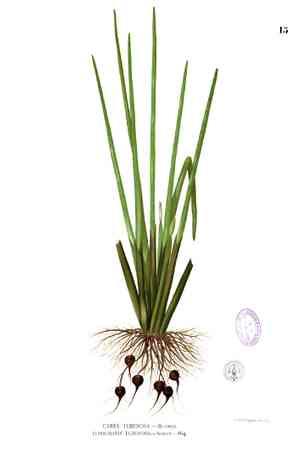
This water-dwelling plant flourishes in boggy or damp environments and is recognized for its grass-like leaves and palatable tubers. The most effective pruning for chinese water chestnut entails removing withered or discolored leaves near the base to encourage robust development and preserve water purity. Execute these activities in Spring, Summer, or Autumn to coincide with the plant's periods of active growth. Consistent trimming not only improves its appearance but also stimulates the generation of bigger tubers, which are essential for cooking.
Advantages of Trimming Chinese Water Chestnut
Advantages of Trimming Chinese Water Chestnut
Trimming chinese water chestnut promotes a more plentiful yield by stimulating growth and managing its size, leading to a strong and productive specimen.
Optimal Period for Trimming Chinese Water Chestnut
Optimal Period for Trimming Chinese Water Chestnut
The best seasons for trimming chinese water chestnut are Spring, Summer, and Fall. In Spring, as chinese water chestnut emerges from dormancy and initiates new growth, pruning can aid in shaping the plant and eliminating any dead or damaged sections from winter, fostering healthy development. Trimming in Summer is advantageous because it is the active growth phase for chinese water chestnut, enabling the plant to quickly recover and continue growing vigorously. This season is also when chinese water chestnut can become excessively dense, and pruning assists in maintaining air circulation and light penetration, which is vital for reducing disease risk. Fall pruning is considered ideal as it prepares chinese water chestnut for winter by removing dead or dying foliage, which minimizes refuge for pests and diseases during the cold season. However, extensive pruning should be avoided late in Fall to prevent new growth that might not harden off before the initial frosts. These timings are selected considering the well-being of chinese water chestnut, its seasonal growth patterns, and to prevent disruption of its flowering or fruiting cycles.
Required Tools for Trimming Chinese Water Chestnut
Handheld Garden Shears
For cutting the foliage of chinese water chestnut, handheld garden shears are suitable. They provide precision and control, which is essential to maintain the plant's optimal health without harming the corms beneath the water's surface.
Aquatic Plant Scissors
Given chinese water chestnut's aquatic growth, long-handled aquatic plant scissors can be useful. These are designed to reach into the water comfortably and cut plants without needing to submerge your hands or excessively disturb the water.
Sharp Knife
For harvesting chinese water chestnut, a sharp knife is crucial to sever the corms from their stems. A knife with a serrated edge can be particularly effective, as it can easily cut through tough plant material.
How to Trim Chinese Water Chestnut
Clean tools
Sanitize pruning implements using a solution of one part bleach to nine parts water to prevent the spread of pathogens.
Health check
Examine chinese water chestnut for any indications of diseased leaves. Look for discoloration, spots, or decay as these suggest the presence of illness.
Trim diseased leaves
Carefully remove diseased leaves from chinese water chestnut using sharp, sanitized pruning shears. Cut the leaves at their base where they connect to the stem, taking care not to damage healthy tissue.
Remove withered leaves
Identify and trim away any withered or dead leaves from chinese water chestnut. These may appear brown, dried out, or crumpled. Cut them off at the base to encourage new growth.
Dispose
Properly dispose of the trimmed diseased and withered leaves. Do not compost as they may contain pathogens harmful to chinese water chestnut and other plants.
Common Trimming Errors with Chinese Water Chestnut
Over-pruning
Removing too much foliage from chinese water chestnut can significantly weaken the plant, as it diminishes its capacity to photosynthesize and store energy in its corms.
Pruning Healthy Foliage
Cutting back healthy green foliage on chinese water chestnut is counterproductive, as it reduces the plant's growth and potential crop yields.
Disinfecting Tools
Neglecting to disinfect pruning tools before use can spread disease between plants, which is particularly detrimental to chinese water chestnut given their water-based growing environment.
Incorrect Cutting Technique
Using improper cutting techniques, such as tearing or making jagged cuts, can damage chinese water chestnut and increase susceptibility to diseases and pests.
Discarding Useful Plant Parts
Throwing away healthy pruned parts of chinese water chestnut that could be replanted or used as propagation material is wasteful and a missed opportunity for expanding the crop.
General Trimming Advice for Chinese Water Chestnut
Pruning Only When Necessary
Trim chinese water chestnut to remove yellowing or dead foliage, as this helps direct the plant's energy to healthier parts and corm development, without compromising its growth.
Sharp Tools
Use sharp, sterilized pruning shears to make clean cuts on chinese water chestnut, reducing stress on the plant and minimizing the risk of disease transmission.
Water Level Management
Lower the water level around chinese water chestnut before pruning, as it will make it easier to access the plant and avoid dropping trimmings back into the water, which could decompose and impact water quality.
Composting Scraps
Compost the plant waste obtained from pruning chinese water chestnut as it is organic matter that can enrich soil when broken down properly, rather than discarding it.
Disposing of Diseased Material
Immediately dispose of any diseased plant material from chinese water chestnut in a way that it cannot contaminate other plants or water sources.



