How to Prune Woodland elaeocarpus?
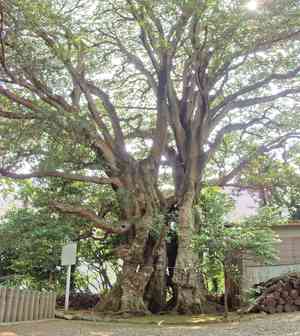
A deciduous specimen recognized for its leaves and indigo berries, woodland elaeocarpus thrives with judicious trimming to preserve its form and foster vitality. Perform pruning while the plant is inactive in winter to lessen strain and avert illness. Eliminate lifeless or excessively dense limbs and reduce upper branches to improve light access and airflow, thereby encouraging a sturdy framework. Consistent, attentive pruning additionally stimulates fresh development, guaranteeing a strong and decorative contribution to the environment.
Advantages of Trimming Woodland Elaeocarpus
Advantages of Trimming Woodland Elaeocarpus
Trimming woodland elaeocarpus promotes robust development and helps maintain its desired form. This action encourages woodland elaeocarpus to produce fresh, vigorous growth while adhering to the garden's visual appeal.
Optimal Period for Trimming Woodland Elaeocarpus
Optimal Period for Trimming Woodland Elaeocarpus
Trimming woodland elaeocarpus from late winter to early spring, just before the new growth cycle begins, minimizes plant stress. This timing allows gardeners to shape the plant and remove any dead or damaged branches without hindering the upcoming growth spurt. Furthermore, the plant's dormant state in winter ensures minimal sap loss, which can attract pests, and wounds heal faster, reducing disease risk. With less foliage, the plant's structure is more visible, aiding informed pruning decisions. As woodland elaeocarpus may have a flowering or fruiting season, pruning during this recommended window prevents cutting off developing flower buds or fruit, ensuring optimal ornamental value and yield.
Tools Required for Trimming Woodland Elaeocarpus
Hand Pruners
Perfect for cutting small branches and twigs of woodland elaeocarpus, offering precision and ease for clean cuts on branches up to 3/4 inches in diameter.
Loppers
Suitable for larger branches of woodland elaeocarpus, typically between 1 and 2 inches in diameter, where hand pruners are insufficient. Their long handles provide leverage for easier cutting.
Pruning Saws
Essential for branches exceeding 2 inches in diameter. A pruning saw with coarse teeth can quickly handle larger cuts without harming the woodland elaeocarpus.
Pole Pruners
Useful for reaching higher branches of woodland elaeocarpus without needing a ladder. They enable pruning of branches out of reach with standard hand tools.
Hedge Shears
Appropriate for shaping and trimming the outer foliage of woodland elaeocarpus if it's maintained as a hedge or for formal designs.
Gloves
Not a direct pruning tool, but crucial for protecting the gardener's hands from scratches and cuts while trimming woodland elaeocarpus.
How to Trim Woodland Elaeocarpus
Sanitize Tools
Before starting to trim woodland elaeocarpus, ensure all pruning tools are clean and sharp to prevent disease transmission.
Identify Branches
Carefully inspect woodland elaeocarpus for dead or diseased branches. Look for discolored branches, abnormal growths, or those that appear dry and brittle.
Cut Diseased Branches
Cut diseased branches on woodland elaeocarpus back to healthy wood. Make the cut just above a lateral branch or bud to encourage proper regrowth.
Remove Dead Branches
Remove dead branches from woodland elaeocarpus by cutting them where they meet healthy, living tissue. Use a clean, smooth cut to minimize plant stress.
Dispose Of Debris
Properly dispose of all removed debris from woodland elaeocarpus to prevent the potential spread of any disease or pests. Do not compost diseased material.
Common Trimming Errors with Woodland Elaeocarpus
Excessive Pruning
Removing too much foliage at once, which can shock woodland elaeocarpus and reduce its ability to photosynthesize and grow properly.
Incorrect Cuts
Making jagged or torn cuts instead of clean ones, which can harm woodland elaeocarpus and create entry points for disease.
Trimming Healthy Growth
Unnecessarily cutting away healthy branches or leaves, which can limit the flowering potential and overall vigor of woodland elaeocarpus.
Neglecting Tool Hygiene
Not sterilizing pruning tools between cuts and plants, which can spread diseases to woodland elaeocarpus.
Ignoring Natural Form
Attempting to force woodland elaeocarpus into an unnatural shape or size, which can stress the plant and lead to poor growth and aesthetics.
General Trimming Advice for Woodland Elaeocarpus
Sharp Tools
Use sharp, clean pruning shears to make precise cuts that will heal quickly and minimize stress to woodland elaeocarpus.
Selective Thinning
Thin out crowded branches to improve air circulation and light penetration, which will encourage healthy growth and flowering in woodland elaeocarpus.
Remove Dead Material
Regularly remove dead or diseased wood to maintain the health and appearance of woodland elaeocarpus.
Prune For Structure
Focus on establishing a strong structural framework for woodland elaeocarpus during its early years to promote a sound shape as it matures.
Conservative Approach
Adopt a conservative approach by pruning less rather than more in a single session to prevent over-pruning woodland elaeocarpus.
Angled Cuts
Make cuts at a 45-degree angle to prevent water accumulation and promote quick healing for woodland elaeocarpus.
Follow Branch Collars
Cut just outside the branch collar without leaving stubs to support the natural healing process of woodland elaeocarpus.



