How to Prune Cherry silverberry?
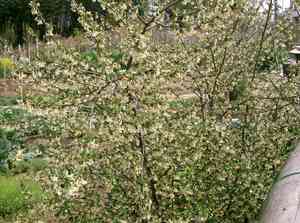
This leaf-shedding bush, featuring aromatic blossoms and crimson berries, thrives with trimming to preserve its form and stimulate berry yield. Essential methods encompass reducing older stalks and shortening branches that have already borne fruit. The most effective time for pruning is in early spring, prior to the emergence of new shoots. Particular attention should be given to excising dead or compromised wood to foster robust development. Pruning not only improves the plant's visual appeal but also aids in superior air movement and light exposure.
What Are the Benefits of Pruning Cherry Silverberry?
What Are the Benefits of Pruning Cherry Silverberry?
Trimming cherry silverberry promotes robust development and helps preserve its desired shape. By judiciously removing aged and unproductive wood, gardeners foster healthier foliage, enhance air circulation, and improve the plant's framework, directly impacting fruit yield and overall plant vigor.
What Is the Best Time for Pruning Cherry Silverberry?
What Is the Best Time for Pruning Cherry Silverberry?
Trimming cherry silverberry in early spring coincides with the plant's dormant phase, which typically concludes as temperatures begin to rise. This timing is optimal as it minimizes stress on cherry silverberry, allowing it to recover quickly from cuts without the immediate need to support active growth, blooming, or fruiting. Furthermore, pruning before new growth emerges aids in shaping the plant and directing its energy toward establishing a strong structure for the season's growth, flowers, and fruit. It also enables gardeners to remove any dead or damaged wood from winter with better visibility before leaves develop. Optimal timing reduces the risk of disease infection, as many pathogens are less active in cooler weather, and open wounds on cherry silverberry will be exposed for a shorter duration before natural healing commences with spring growth.
What Tools Do I Need to Prune Cherry Silverberry?
Hand Pruners
For making precise cuts on cherry silverberry's new shoots and smaller branches, under 1/2 inch thick. Bypass pruners are preferred over anvil pruners as they offer a cleaner cut without crushing stems.
Loppers
Perfect for reaching into cherry silverberry's dense foliage and cutting medium-sized branches, typically up to 1 1/2 inches in diameter. They provide increased leverage and ensure accurate cuts without harming surrounding growth.
Pruning Saw
Essential for removing larger branches or limbs from cherry silverberry that exceed 1 1/2 inches in diameter. A pruning saw will enable gardeners to cut through thick growth without tearing or stripping bark.
Hedge Shears
Useful for shaping cherry silverberry if it is being maintained as a hedge. Hedge shears allow for even, straight cuts across a broad area of foliage to encourage a formal appearance.
Pole Pruner
For safely trimming higher branches on cherry silverberry without needing a ladder. This tool extends the gardener's reach and permits pruning of otherwise inaccessible areas.
Pruning Gloves
To safeguard hands from thorns and rough branches while working on cherry silverberry. Gloves can also enhance grip on tools, lessening the chance of accidental slips during the pruning process.
Cleaning Solution
To prevent the spread of diseases between plants, tools should be sanitized before and after pruning cherry silverberry. A simple solution can be made from one part bleach to nine parts water.
How to Prune Cherry Silverberry
Aseptic
Before trimming cherry silverberry, sterilize your pruning tools using a bleach or rubbing alcohol solution to prevent disease transmission.
Dead Removal
Eliminate all dead branches by cutting them back to a healthy section of the branch or to the base if the entire branch is dead. Make cuts just above a bud or branching point to encourage new growth.
Diseased Trim
Remove all diseased branches and leaves, cutting well into healthy tissue below the affected parts. Carefully dispose of these sections to avoid contaminating compost or the surrounding area.
Thinning
Thin out overgrown areas to improve air circulation and light penetration. Cut back some of the oldest, thickest stems to their base to stimulate the growth of younger branches.
Clean Cut
Ensure all cuts are clean and smooth to promote rapid healing. Use sharp pruning shears or loppers to make precise cuts without tearing the bark or leaving stubs that can harbor pests and diseases.
Common Pruning Mistakes with Cherry Silverberry
Over-Pruning
Cutting back cherry silverberry too aggressively can stress the plant, slow its growth, and diminish its natural form. This error can also lead to fewer flowers and fruits, as cherry silverberry blooms on old wood.
Improper Cutting Technique
Making jagged or torn cuts, or cutting too close to the main stem can harm cherry silverberry. These cuts can introduce disease, hinder proper healing, and weaken the plant's structure.
Neglecting Dead Or Diseased Branches
Failing to remove dead or diseased wood can invite pests and diseases to spread throughout cherry silverberry. It is important to regularly inspect and remove these problematic areas.
Pruning Without A Plan
Randomly cutting branches without understanding the growth pattern of cherry silverberry can result in an unattractive appearance and uneven development.
Using Unclean Tools
Pruning cherry silverberry with dirty tools can spread disease from infected plants to healthy ones. It is crucial to disinfect tools before use.
Common Pruning Tips for Cherry Silverberry
Selective Thinning
To maintain the natural shape of cherry silverberry and encourage airflow and light penetration, selectively remove some of the older branches. This promotes healthy growth and flowering.
Correct Cutting Technique
Make clean, angled cuts just above a bud or branch junction. This helps cherry silverberry heal rapidly and direct growth in the desired direction.
Balance Between Old And New Growth
Since cherry silverberry flowers on old wood, it is important to balance pruning of old wood to maintain flowering while allowing new growth to mature for future seasons.
Regular Maintenance
Perform light, regular pruning to shape cherry silverberry and remove any weak, crossing, or downward-growing branches to maintain plant health and appearance.
Tool Maintenance
Use sharp pruning shears or loppers to create clean cuts on cherry silverberry, and disinfect the tools before and after use to reduce the risk of transmitting diseases.



