How to Prune Puna?
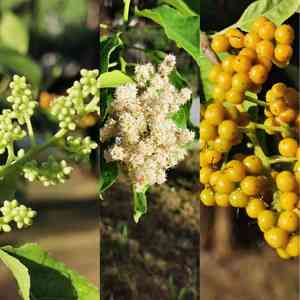
This seasonal shrub or compact tree, distinguished by its expansive, deep green foliage and groupings of azure, campanulate blossoms, thrives with meticulous trimming to preserve its form and encourage robust development. Essential methods involve reducing dense branches and eliminating lifeless or compromised wood. The most favorable times for pruning are from late winter to early spring, prior to the appearance of new leaves. Strategic pruning guarantees improved light access and air movement throughout the puna, boosting its general vigor and flowering capacity.
Advantages of Trimming Puna
Advantages of Trimming Puna
Trimming puna promotes robust development by eliminating lifeless or weak branches, fostering new growth. It also aids in maintaining the desired form and dimensions, enhancing puna's visual appeal and structural soundness.
Optimal Time for Trimming Puna
Optimal Time for Trimming Puna
Trimming puna from late winter to early spring is ideal as this period precedes the plant's primary active growth phase. During this time, puna remains dormant, which minimizes stress on the plant and reduces the risk of sap loss or disease entry through pruning cuts. Furthermore, the absence of foliage allows for better visibility of the plant's structure, enabling more precise and effective trimming. Pruning before new growth begins ensures that the plant's energy is directed towards producing healthy new shoots, improving overall vigor and vitality. This timing also prevents cutting off emerging buds, which could reduce bloom or fruit production in the upcoming season, as puna flowers and fruits on new wood.
Tools Required for Puna Pruning
Bypass Pruners
Perfect for making clean cuts on smaller branches and twigs. They are effective for puna due to their precise cutting ability, essential for maintaining the plant's shape and removing dead or diseased wood without crushing delicate stems.
Loppers
Suitable for cutting thicker branches that bypass pruners cannot handle. They feature long handles that provide leverage, making it easier to prune puna without causing undue strain to the gardener.
Pruning Saw
Used for branches thicker than what loppers can manage. Puna may develop larger limbs that require a pruning saw to ensure a clean cut without damaging the surrounding branch structure.
Hedge Shears
Useful if puna is being cultivated as a hedge or requires shaping over a large area. Their long blades allow for efficient trimming and shaping of hedges.
Pole Pruner
For reaching higher branches that are inaccessible from the ground. This tool is beneficial if puna has grown beyond a manageable height and still needs to be pruned for health or aesthetics.
How to Prune Puna
Select tools
Choose sharp, clean pruning tools such as secateurs, loppers, or a pruning saw depending on the thickness of the branches to be removed from puna.
Identify
Thoroughly inspect puna to identify all dead and diseased branches, which may appear discolored, shriveled, or show signs of fungal infection or pest damage.
Cut dead branches
Using the appropriate tool, make clean cuts to remove dead branches, cutting them at their point of origin or back to healthy wood, ensuring cuts are made at a slight angle to prevent water accumulation.
Cut diseased branches
Prune diseased branches on puna by cutting at least several inches into healthy tissue to ensure the complete removal of any infected parts; disinfect tools after each cut to prevent spreading disease.
Dispose
Properly dispose of all removed material from puna by burning or discarding it far from healthy plants to prevent the spread of disease.
Common Pruning Errors with Puna
Overpruning
Removing too much foliage at once can stress puna and hinder its growth. Itâs important to prune only whatâs necessary to shape the plant or remove dead material.
Blunt instrument
Using dull or unsanitized pruning tools can harm the branches of puna and introduce diseases. Always use sharp, disinfected pruning shears.
Tearing limb
Tearing limbs instead of making clean cuts can lead to improper healing and make puna more vulnerable to pests and diseases. A precise cut is crucial.
Flush cut
Cutting too close to the trunk, known as a flush cut, can damage the main branches and trunk of puna. Instead, make cuts just outside the branch collar for better healing.
Neglecting deadwood
Ignoring dead or diseased wood might not directly harm puna, but it can lead to diseases spreading and pests being attracted to the plant. Regular removal is essential.
Incorrect angle
Cutting at the wrong angle can direct water to the center of the branch, which may lead to rot. Cuts should be angled away from the center of puna to prevent water accumulation.
General Pruning Advice for Puna
Sanitization
Before pruning puna, sanitize pruning tools with alcohol or bleach solution to prevent the spread of disease.
Sharp cuts
Make sharp, clean cuts to ensure quick healing and reduce the risk of disease for puna. This supports stronger growth.
Consider shape
When pruning puna, consider the natural shape of the plant. Aim to enhance it rather than impose an unnatural form, which might hinder growth.
Thin out
Puna benefits from thinning out of dense branches to allow sunlight and air to penetrate the canopy, which helps promote healthy growth.
Prune suckers
Remove suckers and any growth from the base of puna to direct energy into the main branches and improve the overall form.
Branch collar
Cut just outside the branch collar when removing branches from puna to allow for proper healing and avoid damage to the trunk.



