How to Prune Viper's bugloss?
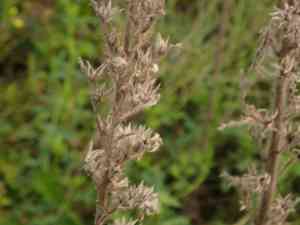
Viper's bugloss, a biennial herbaceous plant, thrives with rough foliage and elevated purple flower clusters. Trim spent flower stems to encourage additional blossoming and preserve a neat appearance. The perfect time for eliminating withered flower stalks and sculpting the plant is in early spring or late autumn. Trimming during these periods fosters robust growth and vitality, possibly prolonging its flowering into the subsequent year. Employ sanitized, sharp implements to prevent the spread of pathogens when making incisions.
What Are the Benefits of Pruning Viper's Bugloss?
What Are the Benefits of Pruning Viper's Bugloss?
Trimming viper's bugloss promotes abundant flowering and robust development by eliminating spent blossoms and congested stems. It aids in preserving an appealing shape and size, thereby enhancing the plant's overall vitality and visual appeal.
What Is the Best Time for Pruning Viper's Bugloss?
What Is the Best Time for Pruning Viper's Bugloss?
Trimming viper's bugloss in early spring is advantageous as it allows for the removal of any dead or damaged foliage from the winter, fostering healthier and more vigorous growth in the upcoming season. Late autumn is another ideal period as it coincides with the end of viper's bugloss's blooming cycle. Pruning at this time helps prevent the plant from allocating energy to seed production and can encourage a strong display of flowers the following year. These timings are selected based on viper's bugloss's growth pattern, ensuring the plant maintains optimal health and exhibits its vibrant flowers without hindering its development or next season's growth.
What Tools Do I Need to Prune Viper's Bugloss?
Hand Pruners
Perfect for cutting through stems and branches of viper's bugloss that are less than 3/4 inches in diameter. They provide a clean cut, which is crucial for maintaining plant health.
Gloves
While not a tool, gloves are advised when handling viper's bugloss due to its prickly hairs, which can cause skin irritation.
Loppers
For older, woodier stems of viper's bugloss or for reaching higher cuts, loppers offer extended reach and leverage, capable of managing material up to 2 inches thick.
Pruning Saw
For mature viper's bugloss with thicker branches that exceed the capacity of hand pruners and loppers, a pruning saw ensures clean cuts without harming the remaining plant structure.
Shears
For shaping and maintaining the dense flowering spikes of viper's bugloss, shears can provide quick and uniform cutting of the plant's softer parts.
How to Prune Viper's Bugloss
Step1: Tool Preparation
Gather the necessary trimming implements, such as sharp secateurs, gloves, and disinfectant for cleaning your tools before and after pruning viper's bugloss.
Step2: Deadheading Flowers
Identify spent flowers on viper's bugloss, which typically appear withered, discolored, and dry. Deadheading is important to encourage reblooming and to prevent self-seeding if not desired.
Step3: Cutting Technique
Cut the dead flowers back to the first set of healthy leaves using the secateurs. Make the cut at a 45-degree angle, 1/4 inch above the leaves, to promote healthy growth and prevent water accumulation that could lead to disease.
Step4: Removing Old Stems
Locate old stems on viper's bugloss, which are characterized by a woody, thick appearance and lack of new growth or leaves. These stems may detract from the plant's vitality and appearance.
Step5: Pruning at Base
Prune the old stems at their base, near the ground level, being careful not to damage new growth. Cut cleanly and squarely to facilitate quick healing and reduce the chance of disease entry.
Step6: Thinning for Health
Shape viper's bugloss by selectively pruning overcrowded areas to increase air circulation and sunlight penetration. Remove any crossing or rubbing stems to maintain good plant health.
Step7: Trimmed Material Disposal
Dispose of all trimmed material properly to avoid the spread of pests or diseases. Compost if possible, but discard diseased material in the trash.
Step8: Post-Pruning Watering
Water viper's bugloss deeply after pruning to help the plant recover and reduce stress. Avoid overhead watering to prevent encouraging foliar diseases.
Step9: Growth Monitoring
Monitor viper's bugloss after pruning for signs of new growth. Offer appropriate care, such as fertilizing if necessary, to support the health and vigor of the plant.
Post-Pruning Care for Viper's Bugloss
Post-Pruning Care for Viper's Bugloss
Immediately after trimming viper's bugloss, keep the plant in a bright area but away from direct, intense sunlight. Maintain a humid environment without wetting the foliage to prevent disease. Adjust temperatures to a moderate range to reduce stress. Avoid fertilizing directly post-pruning; instead, wait for signs of new growth, then apply a balanced liquid fertilizer diluted to half strength. Monitor viper's bugloss for wilted leaves, discoloration, or rot, indicating stress or infection. If detected, improve air circulation and examine the plant for pests. Trim any diseased tissue and treat with a fungicide if necessary.
Common Pruning Mistakes with Viper's Bugloss
Excessive Pruning Beyond One Third
Trimming viper's bugloss too severely, which can harm the plant and diminish its vigor. It's crucial not to cut back more than a third of the plant at a time.
Ignoring Plant Growth Pattern When Pruning
Snipping the tops without considering the natural shape and growth pattern of viper's bugloss, which can lead to an unbalanced appearance and reduce flowering potential.
Utilizing Dull or Unclean Pruning Tools
Using dull or dirty pruning tools, which could lead to uneven cuts and increase the risk of disease for viper's bugloss. Properly maintained tools ensure clean cuts and healthier plants.
Common Pruning Tips for Viper's Bugloss
Deadheading to Encourage New Blooms
When trimming viper's bugloss, target the faded flower stems to encourage new growth and potential reblooming. This deadheading process stimulates the plant to produce more flowers.
Angle Cuts Above Leaf Nodes for Healthy Growth
Ensure that cuts are made at a 45-degree angle above a leaf node or side shoot, which will promote better healing and new growth in viper's bugloss.
Remove Weak Stems for Plant Health and Air Flow
Regularly remove any weak or damaged stems to maintain the health and aesthetic of viper's bugloss, as this helps to prevent disease and allows for better air circulation within the plant.



