How to Prune Black echeveria?
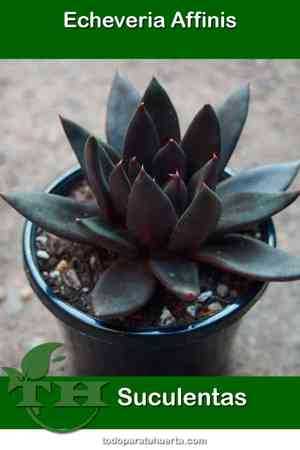
This succulent variety is recognized for its rosette configuration and deep coloration. For black echeveria, detach withered foliage from the plant's base and excise any compromised or ailing sections with sanitized, keen implements. The most effective time for trimming is from late winter to early spring, fostering vigorous development. Exercise restraint when pruning to preserve its form, as black echeveria seldom becomes overgrown. Advantages of pruning encompass enhanced air movement, protection against ailments, and the encouragement of fresh, thriving development.
What Are the Benefits of Pruning Black Echeveria?
What Are the Benefits of Pruning Black Echeveria?
Trimming black echeveria promotes robust development by channeling energy to strong shoots, improving its overall structure. Managing the size and form of black echeveria through selective cutting prevents excessive growth, preserving its decorative appeal.
What Is the Best Time for Pruning Black Echeveria?
What Is the Best Time for Pruning Black Echeveria?
The ideal period for pruning black echeveria is from late winter to early spring, just before its active growth phase. Pruning at this time allows the plant to focus energy on new growth, leading to a more vigorous and attractive shape as the season progresses. It's also when the plant is still dormant, minimizing stress and the risk of pests or diseases from cuts. Additionally, pruning before the growth cycle begins ensures that flowering, which typically occurs in spring or summer, is not negatively impacted. This timing enables gardeners to shape the plant and remove damaged or unattractive parts, fostering healthier, more robust growth without disrupting its natural bloom cycle.
What Tools Do I Need to Prune Black Echeveria?
Precision Pruners / Snips
These small, sharp instruments are perfect for black echeveria, enabling delicate tasks like removing dead foliage or shaping without harming the succulent's dense form.
Tweezers
Useful for carefully extracting any dead or dry leaves that are difficult to reach by hand, a common issue in the thick rosette of black echeveria.
Rubbing Alcohol
To sanitize tools before and after pruning black echeveria, preventing the spread of diseases.
Soft Brush
Helps in clearing debris from black echeveria's leaves post-pruning, which is beneficial for maintaining plant health and appearance.
How to Prune Black Echeveria
Sanitize
Before pruning black echeveria, disinfect your pruning tools with alcohol or a bleach solution to prevent disease transmission.
Identify
Carefully examine black echeveria to pinpoint diseased and withered leaves that need removal. Look for foliage that is discolored, damaged, or appears dry and brittle.
Trim Diseased Leaves
Using the sterilized tools, gently snip off diseased leaves from black echeveria by cutting at the leaf's base, where it connects to the stem. Be careful not to harm healthy parts of the plant.
Trim Withered Leaves
Similarly, remove withered leaves that are clearly dead and offer no benefit to black echeveria, cutting them at their base without damaging the main rosette.
Dispose
Properly discard the trimmed leaves, keeping them away from healthy plants, to prevent the spread of any potential pathogens.
Common Pruning Mistakes with Black Echeveria
Over-Pruning
Removing too much of black echeveria's foliage at once can stress the plant, potentially leading to stunted growth or even death. It's crucial to prune sparingly, as the plant only requires light shaping and the removal of dead or damaged leaves.
Using Dull Tools
Pruning black echeveria with dull or unclean tools can damage the succulent leaves and stems, resulting in jagged cuts prone to infection. Always use clean, sharp tools for precise cuts.
Pruning Healthy Leaves
Sometimes gardeners mistakenly remove healthy leaves during pruning. For black echeveria, it's important to only prune dead or dying leaves, as healthy ones contribute to photosynthesis and the plant's overall well-being.
Improper Timing
Even though the best season for pruning is not to be mentioned, pruning black echeveria at incorrect times during its growth cycle can hinder development. Understanding its growth patterns is essential for successful pruning.
Ignoring Plant Symmetry
Neglecting the plant's natural form can result in an unbalanced appearance. Prune black echeveria evenly to maintain its symmetrical rosette shape, which is characteristic of the species.
Common Pruning Tips for Black Echeveria
Sanitation
Ensure all pruning tools are disinfected before use to minimize the risk of spreading diseases to black echeveria. Use a solution of 1 part bleach to 9 parts water, or rubbing alcohol to sterilize the tools.
Leaf Removal
Gently twist off dead or dying leaves from the bottom of black echeveria's rosette. These leaves should detach easily; if they resist, they might not be ready for removal.
Cutting Technique
When pruning, make sure to cut or remove leaves at a slight angle to prevent water accumulation on the cut surface, which can encourage rot in black echeveria.
Aftercare
After pruning black echeveria, allow the plant to recover in a dry, shaded area before returning it to its usual spot. This helps prevent infections at the pruning sites.
Light Pruning
Perform light, regular pruning instead of heavy, infrequent cuts. This helps black echeveria maintain its compact form and reduces the risk of shock that can occur with more severe pruning methods.



