How to Prune Durian?
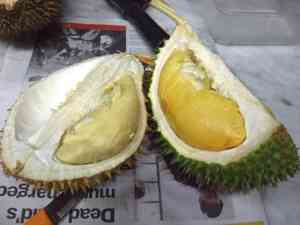
Recognized for its substantial, thorny fruit possessing a potent aroma, durian necessitates meticulous trimming to boost fruit yield and tree vitality. Essential methods involve excising deceased or ailing branches, reducing congested zones to foster better air movement, and molding the crown for an even developmental framework. Trimming should be scheduled for springtime, following the harvest and prior to the commencement of the wet period. Appropriate pruning guarantees fewer yet larger fruits, elevates disease resilience, and facilitates simpler harvesting. Restrict removal to 30% of the tree's total mass annually to avert strain.
Advantages of Trimming Durian
Advantages of Trimming Durian
Trimming durian is vital for ensuring a plentiful harvest by eliminating obstructing or lifeless branches, fostering robust growth, and shaping the crown to enhance light penetration and air circulation.
Optimal Period for Trimming Durian
Optimal Period for Trimming Durian
The recommended time for trimming durian coincides with its post-harvest and pre-flowering stage, enabling the plant to recuperate and channel energy into new growth and fruit development for the upcoming season. Trimming during this interval minimizes stress on durian, encourages healthy development, and improves the quality and quantity of the fruit yield by removing dead or unhealthy branches. It reduces the likelihood of disease and pest infestations that often occur in denser canopies. Trimming in Late Spring to Early Summer provides suitable temperatures and weather conditions that aid healing and vigorous growth, ensuring durian remains strong and productive.
Essential Tools for Trimming Durian
Heavy-Duty Pruning Shears
Shears offer precise cuts for shaping durian and removing smaller branches.
Pole Saw
The extendable pole saw is perfect for reaching higher branches without ladders, considering durian's potential height.
Loppers
The long handles and leverage of loppers make them suitable for cutting branches up to 2 inches thick, typical for durian's growth.
Chainsaw
For larger branches and trunk work on mature durian, a chainsaw can quickly complete the task with minimal effort.
Protective Gear
Given durian's large thorns, durable gloves and protective clothing are essential to prevent injury during trimming.
Pruning Saw
For branches and stems too thick for shears but not large enough for a chainsaw, a pruning saw is ideal for durian.
Orchard Ladder
To safely access higher branches of durian, an orchard ladder designed for uneven ground and tree work is advised.
How to Trim Durian
Clean Tools
Sanitize all trimming tools to prevent the spread of diseases before beginning to trim durian. Use a solution of 1 part bleach to 9 parts water or rubbing alcohol for sterilization.
Inspect
Examine durian thoroughly to identify dead or diseased branches. Look for signs of discoloration, unusual bumps, or areas that appear dry and brittle compared to healthy growth.
Cut Dead Branches
Using sanitized pruning shears or loppers, cut dead branches at their point of origin or back to a healthy lateral branch, ensuring cuts are clean and precise to promote proper healing.
Cut Diseased Branches
Remove diseased branches similarly as in step 3, making sure to cut well below the affected areas to eliminate all diseased tissue. Disinfect tools after each cut to avoid contaminating healthy parts of durian.
Dispose
Dispose of all removed material from durian by burning or binning it to minimize the risk of disease spread. Do not compost as diseases may persist in the compost and infect the soil or other plants.
Common Trimming Errors with Durian
Incorrect Cutting Technique
Using improper cutting techniques, such as making blunt or jagged cuts, can harm durian's branches, making the plant vulnerable to diseases. Clean, angled cuts just above the buds are crucial.
Over-Trimming
Removing too much foliage at once can stress durian, leading to reduced vigor and potentially poor fruit production. Typically, no more than one-third of the canopy should be removed in a single trimming session.
Unnecessary Trimming of Live Wood
Durian does not always require extensive live wood removal. Unnecessary trimming of live branches can decrease the overall fruit yield.
Neglecting To Sterilize Tools
Failure to sterilize trimming tools can introduce pathogens to durian. Sterilize the tools before and after use to prevent the spread of disease.
Not Removing Dead Or Diseased Wood
Ignoring dead, diseased, or damaged branches when trimming durian can compromise plant health and provide a habitat for pests.
General Trimming Advice for Durian
Select The Right Tools
Utilize sharp and appropriately sized pruning shears, loppers, or saws, which facilitate clean cuts without damaging durian's branches.
Trim For Shape
Encourage a strong, productive tree structure by removing inward-growing and crossing branches to improve air circulation and sunlight penetration throughout durian.
Thin Out The Canopy
Thinning dense areas promotes better air flow and light penetration, which is critical for durian's health and fruit production.
Remove Suckers And Water Sprouts
Eradicate vigorous, vertical growths known as suckers and water sprouts, which can divert energy from durian's main fruiting branches.
Maintain Trimming Balance
Aim to create a balanced shape by trimming evenly around durian, not concentrating heavily on one side, which helps to maintain the plant’s equilibrium.



