How to Prune Thick-stemmed woodfern?
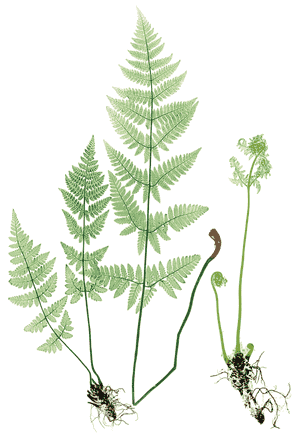
A consistent favorite in areas with limited sunlight, the robust woodfern is recognized for its abundant leaves. Remove any withered or compromised fronds in the initial part of spring or the latter part of winter to foster robust development. Make cuts near the base, but steer clear of the central growth point to avert harm. Trimming improves air movement and lowers the likelihood of illness, contributing to a neat look. This regular maintenance guarantees strong, appealing ferns year after year.
Advantages of Trimming Thick-stemmed Woodfern
Advantages of Trimming Thick-stemmed Woodfern
Trimming thick-stemmed woodfern promotes more robust growth by stimulating new shoots. It also helps maintain the fern's form for visual appeal and garden consistency.
Optimal Time for Trimming Thick-stemmed Woodfern
Optimal Time for Trimming Thick-stemmed Woodfern
Trimming thick-stemmed woodfern in late winter or early spring is recommended as it aligns with the period just before the plant's active growth phase. During these seasons, thick-stemmed woodfern is still dormant, minimizing stress and the chance of disease entering through pruning wounds. The absence of new growth ensures gardeners won't accidentally remove emerging fronds vital for thick-stemmed woodfern's year-round vigor. Late winter pruning allows for the removal of weather-damaged fronds and helps maintain an attractive shape as thick-stemmed woodfern begins its active growing period. Early spring trimming also enables the gardener to assess and remove any dead or diseased fronds from the previous year, thereby encouraging healthier growth and reducing potential disease spread.
Tools Required for Trimming Thick-stemmed Woodfern
Bypass Pruners
Perfect for clean cuts that won't harm the remaining fronds of thick-stemmed woodfern. Choose sharp, high-quality blades for precise results.
Pruning Shears
Best for snipping smaller, delicate fronds of thick-stemmed woodfern. They are easy to handle and effective for refining the fern's shape.
Gardening Gloves
Protective gloves are crucial for maintaining a secure grip on tools and shielding hands from the fern's rough texture.
Compression Sprayer
Filled with a water and mild soap mixture to clean tools before and after trimming thick-stemmed woodfern, reducing the risk of disease transfer.
How to Trim Thick-stemmed Woodfern
Clean and disinfect
Before beginning the trimming process, clean and disinfect all pruning tools to prevent the spread of diseases to thick-stemmed woodfern. Use a bleach or alcohol solution to thoroughly wipe the blades.
Identify
Examine thick-stemmed woodfern closely to pinpoint any diseased or withered leaves. These leaves might show signs of discoloration, spots, or be completely dried out.
Cut diseased leaves
Carefully snip off the diseased leaves from thick-stemmed woodfern, ensuring to cut at the base of the leaf where it connects to the stem or central rhizome. Avoid tearing leaves to prevent damage to healthy parts.
Cut withered leaves
Similarly, remove withered leaves by cutting them at their base. If leaves are large, consider cutting them in sections to avoid unnecessary strain on thick-stemmed woodfern.
Dispose
Properly dispose of removed diseased and withered leaves, far from thick-stemmed woodfern, to minimize disease spread. Do not compost these leaves as pathogens can persist.
Common Trimming Errors with Thick-stemmed Woodfern
Over-trimming
Removing too much foliage from thick-stemmed woodfern can weaken the plant, hindering its ability to photosynthesize and making it susceptible to pests and diseases.
Trimming healthy foliage
Cutting back healthy, vibrant fronds can unnecessarily stress thick-stemmed woodfern and impede its aesthetic appeal and natural growth patterns.
Using dirty tools
Trimming with unclean tools can introduce pathogens to cuts on thick-stemmed woodfern, leading to infections and decay.
Improper cutting technique
Incorrect cutting methods can damage the stems of thick-stemmed woodfern, resulting in jagged cuts more prone to disease and pests.
Neglecting dead fronds
Failing to remove dead or dying fronds can make thick-stemmed woodfern look untidy and potentially harbor pests and diseases that could spread to healthy foliage.
General Trimming Advice for Thick-stemmed Woodfern
Sanitize pruning tools
Disinfect pruning shears and cutting tools before starting and between cuts to prevent spreading disease to thick-stemmed woodfern.
Trim dead fronds
Carefully remove any yellowing or dead fronds at the base to promote better air circulation, reduce disease risk, and redirect energy to the healthy parts of thick-stemmed woodfern.
Target damaged fronds
Identify and selectively trim fronds that are damaged or diseased to help maintain the overall health and appearance of thick-stemmed woodfern.
Maintain plant shape
When trimming, consider the natural form of thick-stemmed woodfern, preserving its shape by only cutting where necessary.
Cut near base
Make cuts on undesirable fronds close to the base of thick-stemmed woodfern without damaging the crown or neighboring healthy fronds to encourage proper healing and regrowth.
Gentle technique
Use a gentle touch while trimming thick-stemmed woodfern to avoid inadvertently harming the rhizome or the base of the remaining healthy fronds.



