How to Prune Dragon arum?
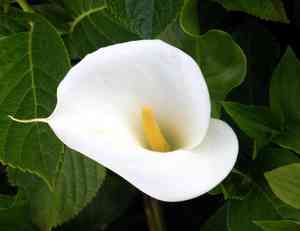
Distinguished by its prominent bloom and unpleasant odor, dragon arum presents a unique feature for any landscape. Remove faded blossoms and lifeless or injured leaves to foster robust development and preserve visual appeal. Execute these duties from the beginning of spring through the end of summer, in harmony with the plant's developmental phase. Consistent trimming encourages vitality and could improve the following year's flowering. Ensure you wear protective gloves, as every component can induce discomfort.
What Are the Benefits of Pruning Dragon Arum?
What Are the Benefits of Pruning Dragon Arum?
Trimming dragon arum promotes robust development and preserves its characteristic form. By selectively removing plant sections, it can direct energy towards vigorous growth, enhancing its distinct look.
What Is the Best Time for Pruning Dragon Arum?
What Is the Best Time for Pruning Dragon Arum?
Pruning 'dragon arum' in early spring is beneficial as it follows winter dormancy, allowing for the removal of any frost-damaged or diseased parts before the plant begins its growth cycle. This timing ensures the plant can heal and reallocate energy to healthy development. Late summer pruning is also advantageous, occurring after the 'dragon arum' flowering period, typically late spring to early summer. This enables gardeners to shape the plant and manage its size without affecting next year's blooms. During both seasons, the plant is less likely to suffer stress from extreme temperatures and has ample time to recover before winter's onset or the peak of summer heat.
What Tools Do I Need to Prune Dragon Arum?
Bypass Pruners
Perfect for making clean cuts on the stem of dragon arum, removing spent flowers, or trimming smaller excess growth.
Pruning Shears
Useful for precise cuts, enabling gardeners to shape the plant without causing undue harm to healthy sections.
Long-Handled Loppers
Helpful for cutting through thicker stems or branches of dragon arum that bypass pruners cannot manage.
Garden Gloves
Protects hands from dragon arum's potentially irritating sap during the trimming process.
Garden Knife
Aids in cutting through more fibrous plant material or for dividing the tubers of dragon arum during propagation.
Pruning Saw
Suitable for larger, woodier stems of mature dragon arum plants that smaller tools cannot effectively prune.
How to Prune Dragon Arum
Step1: Prepare for Pruning
Don gardening gloves to shield your hands from dragon arum's sap, which can be an irritant. Ensure your pruning tools, such as secateurs or pruning shears, are clean and sharp to prevent disease and guarantee precise cuts.
Step2: Trim Dead Leaves
Begin by trimming dead leaves. Locate the base of the dead leaf and make a clean cut close to the main stem of dragon arum. Avoid pulling the leaves to prevent damage to the plant's primary structure.
Step3: Cut Withered Stems
Identify withered stems on dragon arum that have finished their growth cycle or have turned brown. Cut these stems at their base, near the soil level, using your pruning shears. Be careful not to harm any nearby emerging shoots or healthy stems.
Step4: Remove Diseased Parts
Examine dragon arum closely for any indications of diseased parts, which might include unusual spots, discoloration, or decay. Remove these sections by cutting into healthy tissue well below the affected area, to prevent disease spread.
Step5: Dispose of Pruning Debris
After trimming the specific parts, remove all cuttings from the area around dragon arum to prevent the potential spread of disease or pests that could be drawn to the decaying plant material.
Step6: Sanitize Pruning Tools
Sanitize your pruning tools after finishing with dragon arum to avoid transferring any potential pathogens to other plants in your garden.
Step7: Monitor Plant Health Post-Pruning
Observe dragon arum after pruning for signs of new growth or any issues. Additional care, such as watering or fertilizing, can be adjusted based on the plant's reaction to pruning.
Post-Pruning Care for Dragon Arum
Post-Pruning Care for Dragon Arum
Immediately after pruning, dragon arum needs light watering to lessen transplant shock. Maintain moderate humidity and avoid intense direct sunlight. Ensure dragon arum is in a stable environment with temperatures around 70°F. Apply a balanced fertilizer to replenish nutrients and encourage healthy regrowth. Regularly check dragon arum for signs of stress, such as wilting or discolored leaves, and address promptly with appropriate care measures. Diligence in post-pruning care ensures dragon arum's recovery and vitality.
Common Pruning Mistakes with Dragon Arum
Overly Aggressive Pruning
Trimming dragon arum too aggressively, removing large portions of the plant, which can shock and severely weaken it.
Incorrectly Snipping Flower Parts
Cutting the flower spathe or spadix, which is the plant's main feature and does not require pruning.
Damaging Tuber or Cutting at Soil Line
Cutting into the tuber or at the soil line, which can lead to infections or damage to the plant's vital structures.
Leaving Jagged Stem Cuts
Leaving jagged or torn cuts on the stems, which can make dragon arum vulnerable to pests and diseases.
Common Pruning Tips for Dragon Arum
Use Clean, Sharp Pruning Tools
Utilize clean, sharp tools to make precise cuts on dragon arum, to prevent disease transmission and minimize damage.
Prune Only Yellowed or Damaged Foliage
Trim only the yellowed or damaged foliage to maintain the health and appearance of dragon arum, ensuring not to cut healthy tissue unnecessarily.
Cut Stem after Flowering for Tuber Growth
After flowering, cut the stem of dragon arum close to the ground to encourage the plant's energy to redirect into tuber growth and next year's blooms.
Dispose of Pruned Materials Properly
Discard the pruned material well away from dragon arum to prevent any potential spread of pests and diseases.



