How to Prune Corn plant?
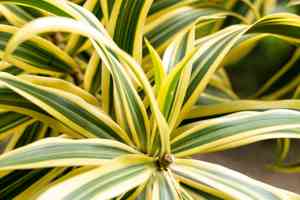
Recognized for its elongated, maize-like foliage and sturdy stem, Dracaena fragrans flourishes with appropriate trimming. Eliminate deceased or discolored leaves by severing them near the main stalk. Reduce excessive height by making angled cuts above the leaf junctions. Optimal pruning occurs in the colder months to encourage more robust development in spring. This variety gains from trimming to cultivate a denser look and control its dimensions. Always employ sanitized, keen implements to avert pathogens.
What Are the Benefits of Pruning Corn Plant?
What Are the Benefits of Pruning Corn Plant?
Trimming corn plant promotes robust development and helps maintain its attractive shape. Eliminating old or yellowed leaves redirects energy, leading to a fuller look and a healthier plant structure.
What Is the Best Time for Pruning Corn Plant?
What Is the Best Time for Pruning Corn Plant?
Winter is considered the ideal period to prune corn plant as its growth typically slows down, allowing it to recover without expending excessive energy on healing. Pruning during this dormant phase minimizes stress on corn plant, enhances its form, and prepares it for a vigorous growth surge in spring. Avoiding pruning during the active growing season ensures the plant retains its health and doesn't deplete the energy needed for flowering or new foliage development.
What Tools Do I Need to Prune Corn Plant?
Sharp Scissors or Snips
For trimming off yellow or brown tips on the leaves of corn plant, which typically have thinner foliage, sharp scissors or plant snips can provide a clean cut without damaging the leaf tissue.
Hand Pruners
When removing entire canes or thicker branches, which corn plant may develop as it matures, hand pruners are ideal as they provide a clean cut that promotes healthy regrowth and minimizes damage to the plant.
Clean Cloth and Rubbing Alcohol
Before and after pruning corn plant, cleaning the blades of the pruning tools with a cloth dampened with rubbing alcohol prevents the spread of pests and diseases.
Gloves
Wearing gloves while pruning corn plant protects the hands from potential skin irritation caused by the sap and ensures a safer pruning process.
How to Prune Corn Plant
Step1: Tool Preparation for Pruning
Before pruning corn plant, ensure you have the correct tools. You will need a pair of sharp, clean pruning shears or scissors. Sterilize the blades with rubbing alcohol to prevent the spread of disease.
Step2: Identifying Yellow Leaves for Removal
Identify the yellow leaves on corn plant. These are typically older leaves that may naturally die off as the plant grows. Pruning these leaves will help redirect energy to healthier growth.
Step3: Cutting Yellow Leaves at Base
Cut the yellow leaves at the base where they meet the stem or the main stalk. Make a clean cut without tearing to minimize stress on corn plant.
Step4: Finding Withered Stems on Plant
Locate any withered stems on corn plant. A withered stem may appear dry, brown, and brittle, indicating it's no longer supporting healthy growth.
Step5: Pruning Withered Stems Correctly
Prune withered stems as close to the main stalk as possible without damaging healthy tissue. If a stem is partially withered, cut just above a healthy leaf node.
Step6: Inspecting Brown Leaf Tips
Inspect corn plant for brown tips on the leaves. Brown tips can be caused by a variety of factors such as over-fertilization, low humidity, or irregular watering.
Step7: Trimming Brown Leaf Tips
To remove brown tips, make a straight or angled cut across the leaf to remove just the browned portion, following the natural shape of the leaf for aesthetic purposes.
Step8: Disposal of Pruning Debris
After completing the pruning, dispose of all cuttings properly as they can harbor pests or diseases.
Step9: Watering Plant Post-Pruning
Water corn plant lightly if the soil is dry to help it recover from pruning. Avoid overwatering as this can lead to root rot.
Step10: Monitoring Plant Health After Pruning
Monitor corn plant after pruning for signs of stress. If new growth appears healthy, your pruning has been successful.
Step11: Ongoing Pruning Maintenance
Repeat this pruning process as needed when you notice yellow leaves, withered stems, or brown tips to maintain the health and appearance of corn plant.
Post-Pruning Care for Corn Plant
Post-Pruning Care for Corn Plant
Immediately after pruning corn plant, ensure a clean environment to reduce infection risks. Place corn plant in moderate, indirect light, maintaining a consistent temperature of 60-75°F and high humidity. Avoid direct sunlight as it may stress the freshly cut areas. Resume fertilization with a balanced, water-soluble fertilizer after four weeks to promote growth, adhering to a monthly schedule. Monitor corn plant for wilting or discolored leaves, which could indicate stress or infection. If symptoms arise, adjust care or consult a professional for potential disease management.
Common Pruning Mistakes with Corn Plant
Avoid Pruning Main Canes of Plants
Cutting into the healthy, main cane of corn plant, which can stress the plant or encourage disease.
Don't Over-Prune Plant Foliage
Removing too much foliage at once, which can shock corn plant and disrupt its growth pattern.
Use Clean, Sharp Pruning Tools
Using dull or dirty pruning tools, which can create jagged cuts or introduce pathogens to corn plant.
Consider Plant Health Over Aesthetics
Pruning just for aesthetic purposes without considering the health and structural integrity of corn plant.
Remove Dead Leaves to Prevent Pests
Neglecting to remove dead or yellowing leaves, which can drain corn plant's resources and attract pests.
Common Pruning Tips for Corn Plant
Always Use Sharp, Clean Cutting Tools
Use clean, sharp scissors or pruning shears to make clean cuts on corn plant, preventing damage and disease.
Prune Brown Tips and Dead Foliage Only
Prune away only the brown tips or dead foliage to maintain the health and appearance of corn plant.
Angle Snips on Leaves for Natural Shape
When cutting corn plant's leaves, snip at an angle to mimic the natural shape of the tip for a more aesthetically pleasing result.
Cut Above Node for Plant Height Reduction
Make a precise cut on corn plant's cane if you need to reduce height, cutting just above a node where new leaves can sprout.
Remove Yellowing Leaves for Plant Health
Periodically check corn plant for any yellowing or withered leaves and remove them promptly to promote healthy growth.



