How to Prune Dragon tree?
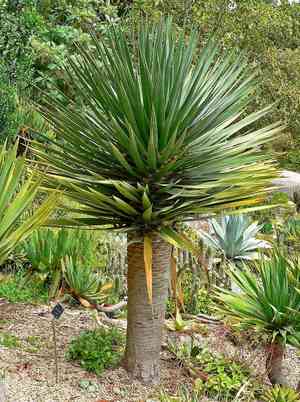
Distinguished by its robust stem and blade-like foliage, the dragon tree stands as a quintessential, gradually developing botanical specimen. Optimal trimming entails severing deceased or congested limbs at their origin, thereby improving air movement and overall form. Execute pruning during the winter, its period of inactivity, to alleviate strain. Consistent trimming manages dimensions and fosters vigorous development. Particular attention must be paid to sterilizing pruning implements to avert the dissemination of pathogens, a vital aspect for the well-being of this particular species.
What Are the Benefits of Pruning Dragon Tree?
What Are the Benefits of Pruning Dragon Tree?
Trimming dragon tree promotes robust new development and helps maintain its distinctive, architectural shape. Strategic cuts foster a healthy framework, deterring pests and diseases while enhancing the plant's decorative appeal.
What Is the Best Time for Pruning Dragon Tree?
What Is the Best Time for Pruning Dragon Tree?
Winter is considered the optimal period to prune dragon tree because the plant is dormant during this season. The cooler temperatures and reduced daylight hours slow its growth, thereby minimizing stress on dragon tree when pruned. Trimming in winter before new growth begins allows the plant to direct its energy into healing and producing new growth in spring. This timing also prevents cutting off newly developing shoots or flowers, which is especially crucial for dragon tree that may have a flowering or fruiting cycle. Furthermore, pruning during dormancy lowers the risk of disease and pest infestation, as these issues are less active in winter.
What Tools Do I Need to Prune Dragon Tree?
Sharp Pruning Shears
For dragon tree, sharp pruning shears are crucial for making clean cuts on smaller stems and leaves. Clean cuts help prevent plant damage and reduce disease risk.
Long-Handled Loppers
Given the height and reach needed to prune dragon tree, long-handled loppers are perfect for cutting thicker branches that are out of reach with standard shears.
Pruning Saw
For the thickest branches of dragon tree, a pruning saw is essential. It allows for precise cutting without harming surrounding branches and the trunk.
Gloves
Protective gloves are important when pruning dragon tree due to its potentially sharp edges and sap, which can irritate the skin.
Cleaning Solution
A cleaning solution for tools helps prevent the spread of disease when moving from one dragon tree to another or between different plant species.
Step Ladder
A sturdy step ladder is useful when pruning taller dragon tree specimens, ensuring safety and access to higher branches.
How to Prune Dragon Tree
Step1: Timing Pruning for Plant Health
Choose the appropriate time for pruning dragon tree, ideally in spring or early summer to encourage healing and reduce plant stress.
Step2: Sterilizing Pruning Tools
Sterilize your pruning tools with rubbing alcohol or a 10% bleach solution to prevent disease transmission.
Step3: Removing Dead Plant Foliage
Begin by removing dead foliage. Carefully cut close to the branch or trunk where the dead foliage is attached, using sharp, clean pruning shears. Avoid leaving stubs, as these can be entry points for pests or disease.
Step4: Cutting Away Damaged Wood
Inspect dragon tree for damaged wood, identifiable by cracks, cankers, or discoloration. Using sharp and sterilized tools, make a clean cut to remove the damaged section. Cut just outside the branch collar (the swollen area where the branch meets the trunk) to promote proper healing.
Step5: Shaping Through Selective Branching
To address long branches affecting the shape of dragon tree, identify the point where you wish to encourage branching. Make your cut just above a node (the point on a stem where leaves are attached), at a 45-degree angle, to direct new growth outward and maintain an attractive shape.
Step6: Clearing Debris Post-Pruning
After you've finished pruning, clear away all removed foliage and wood from the plant's base to deter any pests or diseases that might thrive on decaying plant material.
Step7: Hydrating the Plant After Pruning
Water the base of dragon tree thoroughly after pruning, as hydrated roots will help the plant recover and seal pruning wounds more effectively.
Step8: Monitoring for Post-Pruning Recovery
Monitor dragon tree closely for several weeks after pruning for signs of stress or infection. New growth should emerge at the pruning sites, indicating successful healing and recovery.
Post-Pruning Care for Dragon Tree
Post-Pruning Care for Dragon Tree
Immediately after pruning dragon tree, maintain a clean wound surface to prevent infections. Ensure dragon tree is placed in a stable environment with indirect but bright light, optimal humidity (40-50%), and temperatures between 65-75°F. Limit watering to keep the soil slightly moist. Apply a balanced, slow-release fertilizer to support new growth. Regularly inspect the pruning site for discoloration or ooze, which signals stress or disease, and treat promptly with fungicide if necessary.
Common Pruning Mistakes with Dragon Tree
Over-pruning and Plant Shock Risk
Pruning too much at once can stress dragon tree and potentially lead to shock. Removing more than 25% of the foliage in one session is not recommended.
Using Dull or Dirty Tools
Using dull or dirty pruning tools can cause jagged cuts and introduce pathogens. Always use clean, sharp equipment to make precise cuts.
Ignoring Plant's Natural Growth
Not considering the natural growth pattern of dragon tree can result in an unbalanced or misshapen tree. Always aim to enhance its natural form rather than impose an unnatural shape.
Incorrect Cutting Technique
Cutting too close to the trunk can damage the delicate bark and growth nodes of dragon tree. It's vital to leave a small amount of the branch to avoid harming the main structure.
Common Pruning Tips for Dragon Tree
Removing Dead or Damaged Branches
Identify dead, diseased, or broken branches first for removal. They can harm dragon tree's health and may negatively impact its aesthetic appearance.
Angled Cuts to Prevent Decay
Make angled cuts to prevent water accumulation, which could lead to decay. This is particularly important for dragon tree as it can help promote healing and prevent disease.
Seasonal Pruning and Natural Patterns
If pruning to shape dragon tree, follow its natural branching pattern and prune sparingly outside the growth season to avoid stunting the development of new branches and foliage.
Post-Pruning Care and Recovery
After pruning, care for dragon tree by providing adequate water and, if needed, fertilizer to help it recover and promote new growth.



