How to Prune Common Persimmon?
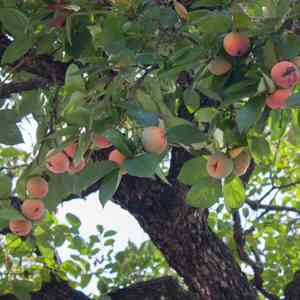
This leafy tree, recognized for its palatable orange produce and distinctive bark, thrives with trimming to preserve its vitality and structure. Essential methods for typical Persimmon involve excising lifeless or ailing wood and reducing congested limbs to improve air movement. Perform pruning in late winter, prior to the onset of spring development. This period reduces sap leakage and the potential for infection, fostering robust growth and fruit yield. Meticulous pruning also boosts the tree's aesthetic appeal by highlighting its inherent silhouette.
What Are the Benefits of Pruning Common Persimmon?
What Are the Benefits of Pruning Common Persimmon?
Trimming common Persimmon encourages vigorous development, leading to an abundant yield. By eliminating dead or overgrown limbs, common Persimmon maintains an appealing form and grows more robustly, fostering a healthier specimen less susceptible to pests and diseases.
What Is the Best Time for Pruning Common Persimmon?
What Is the Best Time for Pruning Common Persimmon?
During late winter, common Persimmon is dormant, which minimizes stress and the chance of disease transmission to cuts. This timing allows for clear visibility of the plant's structure without leaves and promotes strong growth once the active season begins. It prevents the removal of buds that will become the current year's fruit, preserving the plant's productive capacity.
What Tools Do I Need to Prune Common Persimmon?
Hand Pruners
Perfect for removing small branches and twigs on common Persimmon, allowing for accurate cuts and minimal harm.
Lopping Shears
Utilized for cutting through thicker branches of common Persimmon that hand pruners cannot manage, typically up to 1.5 inches in diameter.
Pruning Saw
Essential for the larger branches of common Persimmon, providing the ability to cut branches exceeding 1.5 inches in diameter.
Pole Pruner
Enables safe pruning of higher branches on common Persimmon without a ladder, combining a saw and lopper on an extendable pole.
Hedge Shears
Useful for shaping and trimming the foliage of common Persimmon if grown as a hedge; not advised for large branches.
Pruning Gloves
Crucial for hand protection against thorns and rough bark when pruning common Persimmon.
Wound Dressing
Though generally not advised, it may be applied to common Persimmon for large cuts to prevent disease, but only when necessary and following proper pruning guidelines.
How to Prune Common Persimmon
Step1: Timing and Selection
Identify the common Persimmon you intend to prune. The optimal time to prune common Persimmon is late winter or early spring before new growth starts. This timing helps reduce the risk of harming the plant or exposing it to infections.
Step2: Tool Sterilization
Before pruning, ensure your pruning tools are clean and sterilized. This can be achieved by wiping the blades with alcohol or a bleach solution to prevent disease spread.
Step3: Dead Wood Removal
Begin by carefully inspecting the common Persimmon for any dead wood. Dead branches typically appear darker, are brittle, and may have peeling bark. Make cuts where the dead wood meets healthy tissue. Always cut at a slight angle away from healthy tissue to avoid damage.
Step4: Damaged Limb Pruning
Next, remove any damaged limbs from the common Persimmon. Look for branches that are broken, torn by wind or storm damage, or show signs of disease or insect infestation. Cut the limbs just above an outward-facing bud to encourage growth away from the center. This will also allow air and light to penetrate the canopy, which benefits the common Persimmon's health.
Step5: Sucker Elimination
Identify any suckers – these are vigorous vertical shoots growing from the base of the common Persimmon or along the roots. Suckers can divert energy from the main plant and often do not produce fruit. Prune these as close to their origin as possible, ideally flush with the trunk or root surface without harming the main stem or root structure.
Step6: Branch Inspection
After removing dead wood, damaged limbs, and suckers, step back and assess the overall shape of the common Persimmon. Prune any branches that are crossing or rubbing against each other, as this could create wounds susceptible to disease.
Step7: Canopy Thinning
Thin out the interior of the common Persimmon to enhance air circulation and light penetration. Remove some inner branches completely, especially if they are growing inward or cluttering the canopy. This is crucial for the overall health and fruit production of the common Persimmon.
Step8: Cleanup and Disposal
Once pruning is complete, thoroughly clear all pruned material from around the common Persimmon to deter any pests or diseases that might be present in the debris. Dispose of or destroy diseased material instead of composting.
Step9: Tool Maintenance
Finally, care for your pruning tools after use. Clean and disinfect them again to ensure they are ready for the next task. Sharpen blades if needed to maintain effective cutting edges.
Post-Pruning Care for Common Persimmon
Post-Pruning Care for Common Persimmon
Immediately after pruning common Persimmon, ensure clean cuts to prevent disease. Place common Persimmon in a location with filtered sunlight, protecting it from extreme temperatures. Maintain consistent humidity, avoiding waterlogged soil. Apply a balanced, slow-release fertilizer to aid recovery. Regularly monitor common Persimmon for wilting, discoloration, or infection, adjusting care as necessary. If problems arise, treat promptly with appropriate horticultural methods.
Common Pruning Mistakes with Common Persimmon
Excessive Branch Removal
Over-pruning, which can lead to reduced fruiting as common Persimmon can be sensitive to excessive loss of branches.
Using Dull or Dirty Tools
Not using clean, sharp tools which can result in jagged cuts that are vulnerable to pests and diseases.
Pruning Without Clear Goals
Pruning without a clear purpose or goal, resulting in an inefficient structure and potential damage to common Persimmon.
Ignoring Unhealthy Wood
Ignoring dead, diseased, or damaged wood which should be removed to maintain the health of common Persimmon.
Neglecting Plant Framework
Neglecting the framework of common Persimmon, potentially causing poor air circulation and sunlight penetration which are vital for fruit development.
Common Pruning Tips for Common Persimmon
Precise Cuts with Clean Tools
Use clean, sharp pruning tools to make precise cuts, helping to promote quick healing and reduce the risk of disease.
Thinning for Air and Sunlight
Focus on thinning the canopy to improve air circulation and sunlight exposure, essential for the health and productivity of common Persimmon.
Removing Dead or Damaged Wood
Remove all dead, diseased, or damaged wood first to encourage the growth of new, healthy tissue on common Persimmon.
Prune to Maintain Natural Shape
Maintain the natural form of common Persimmon by pruning selectively and avoiding excessive cutting back of main branches.
Fostering Strong Scaffold Branches
Encourage strong scaffold branches by cutting back competing growth and directing energy into the desired structure of common Persimmon.
Prune Suckers and Water Sprouts
Look for and prune out suckers and water sprouts, as they divert energy away from the fruiting parts of common Persimmon.



