How to Prune Date-plum?
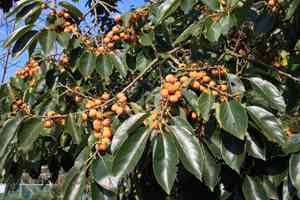
Recognized for its palatable produce and decorative leaves, the date-plum thrives with judicious trimming to preserve its form and encourage robust development. Essential pruning methods involve reducing crowded branches and eliminating lifeless or ailing wood. The perfect period for pruning is late winter, prior to the emergence of new spring shoots. Trimming during this inactive phase reduces sap leakage and strain, facilitating a strong resurgence. Meticulous pruning can boost fruit yield and improve air movement, which aids in averting fungal infections.
What Are the Benefits of Pruning Date-plum?
What Are the Benefits of Pruning Date-plum?
Trimming date-plum is vital for boosting harvest yield, encouraging robust development, and maintaining its desired shape. Strategic cuts can stimulate greater fruit production, keep the canopy well-aerated to deter pests and diseases, and manage the plant's overall size for both aesthetic and practical reasons.
What Is the Best Time for Pruning Date-plum?
What Is the Best Time for Pruning Date-plum?
Pruning date-plum during late winter is optimal as this is typically a dormant phase for many deciduous plants, including date-plum. During this period, the plant's growth is temporarily paused, which minimizes the risk of pruning-related stress and subsequent illness. Furthermore, with no foliage present, the plant's structure is more visible, allowing for more precise cuts. This timing also prevents the removal of the upcoming spring's flower buds, which are essential for fruit production in date-plum. Additionally, pruning before the start of spring growth enables the plant's wounds to heal quickly with the surge of new energy, thereby enhancing the plant's health and vigor for the forthcoming growing season.
What Tools Do I Need to Prune Date-plum?
Hand Pruners
Ideal for cutting date-plum's small branches and twigs; they provide clean cuts without harming plant tissues.
Loppers
Perfect for reaching date-plum's thicker branches that hand pruners cannot manage, they offer good leverage for larger cuts.
Pruning Saw
Essential for cutting date-plum's mature branches too thick for loppers, ensuring a smooth cut on branches exceeding 1.5 inches in diameter.
Pole Pruner
Useful for trimming date-plum branches that are high and out of reach; the pole pruner allows pruning without a ladder, ensuring safety.
How to Prune Date-plum
Clean Tools
Before beginning, ensure pruning shears and saws are clean and sharp to prevent disease spread during pruning.
Safety
Wear appropriate safety gear like gloves and eye protection to avoid injuries from thorns or falling branches.
Remove Dead Branches
Carefully cut back dead branches on date-plum to their origin point or to a healthy lateral branch, ensuring cuts are clean and angled to promote water runoff.
Eliminate Diseased Branches
Identify and remove any diseased branches by cutting them well below the affected area, to prevent disease spread within date-plum. Dispose of diseased material properly.
Thinning
Thin out date-plum by selectively pruning crowded branches to improve air circulation and light penetration, which can reduce the likelihood of disease and pest issues.
Common Pruning Mistakes with Date-plum
Over-Pruning
Removing too much foliage and branches can stress date-plum, leading to poor growth and reduced flowering. Aim to remove no more than 25-30% of the total canopy at once.
Improper Cutting Technique
Cutting branches flush against the trunk can create wounds susceptible to pests and disease. Instead, make clean cuts at a slight angle, just above a bud or branching point.
Incorrect Tool Use
Using dull or dirty tools can damage the branches of date-plum, leading to ragged cuts that heal poorly. Always use sharp, clean pruning shears or loppers.
Topping
Cutting the top off date-plum disrupts its natural form and can lead to weak new growth. Preserve the tree's shape by selectively thinning branches.
Neglecting Dead Wood
Failing to remove dead or diseased wood can invite pest infestations and further degrade the plant's health. Regularly inspect and prune out unhealthy material.
Common Pruning Tips for Date-plum
Selective Thinning
Focus on removing specific branches to enhance light penetration and air circulation, which can improve the health and productivity of date-plum.
Encouraging Flowering
Prune immediately after the blooming period to stimulate the growth of new flowering wood without affecting the current season's bloom.
Rejuvenation Pruning
For older date-plum, consider more aggressive pruning to stimulate new growth. This involves cutting back a third of the oldest branches to the base each year over a three-year period.
Formative Pruning
For young date-plum, perform formative pruning to establish a strong structure. This includes removing competing leaders and inward-growing branches.
Healing Prune Wounds
Allow pruning wounds to heal naturally. Do not apply wound paints or sealants, as they can hinder the healing process and encourage decay.



