How to Prune Longan?
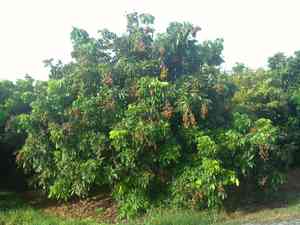
Longan, a tropical fruit prized for its sweet, fragrant berry clusters, flourishes with proper trimming. Essential methods include reducing dense branches to enhance light exposure and airflow, and eliminating dead or ailing wood to encourage robust development. Perform pruning in spring when new growth begins, taking care not to remove over one-third of the crown to prevent strain. Trimming improves the fruit's dimensions, taste, and the tree's vitality, guaranteeing a plentiful yield from longan.
What Are the Benefits of Pruning Longan?
What Are the Benefits of Pruning Longan?
Longan flourishes with proper trimming. Consistent pruning promotes a more abundant harvest by encouraging the growth of new fruit-bearing branches. Eliminating old or congested growth allows longan to direct energy towards vigorous development, maintaining a compact form and simplifying management and harvesting.
What Is the Best Time for Pruning Longan?
What Is the Best Time for Pruning Longan?
Trimming longan from late winter to early spring is optimal as the plant is typically inactive then, reducing stress and enabling better recovery once its active growth period begins. Furthermore, removing dead or unhealthy branches before new growth starts focuses the plant's energy on producing healthy foliage and supports improved fruit set. Pruning before dormancy also offers a clearer view of the structure, facilitating precise cuts. This timing also prevents cutting off flower buds, which form later in the season and are vital for longan's fruit development.
What Tools Do I Need to Prune Longan?
Hand Pruners
Perfect for making accurate cuts on smaller branches, typically up to 1-inch in diameter, for shaping and removing dead wood in longan.
Loppers
Equipped with extended handles for increased leverage, they are ideal for cutting thicker branches, usually up to 2 inches in diameter, common for maintaining mature longan.
Pruning Saws
Utilized for even larger branches exceeding 2 inches in diameter, providing the necessary sawing action to manage longan's canopy and remove substantial limbs with minimal plant damage.
Pole Pruners
For reaching elevated branches without a ladder, ensuring careful shaping of longan's canopy while maintaining safety.
How to Prune Longan
Clean Tools
Sanitize trimming tools prior to beginning to prevent the spread of pests and diseases to longan.
Remove Dead Branches
Identify and carefully remove all dead branches from longan using clean, sharp shears, making cuts at a 45-degree angle just above a node or branch collar.
Prune Diseased Branches
Inspect longan for any diseased branches and cut them back to healthy wood, ensuring no stubs are left which might harbor pests or diseases.
Dispose Trimmed Material
Properly discard the removed dead and diseased branches away from longan to prevent any potential re-infection or infestation.
Clean Up
After completing trimming, clear the area around longan to remove any fallen debris, then sterilize the tools again to avoid cross-contamination for future use.
Common Pruning Mistakes with Longan
Over-Pruning
Removing excessive foliage or too many branches at once can stress longan and hinder its recovery and fruit production.
Improper Cuts
Making cuts too close or too far from the trunk can lead to poor healing and create entry points for disease.
Tearing Branches
Longan branches should be cut cleanly. Tearing or ripping can cause unnecessary damage to the bark and cambium layer.
Pruning Healthy Wood
Indiscriminately removing healthy growth can decrease fruit yield. It is crucial to target only dead or diseased wood, unless thinning for specific reasons.
Ignoring Shape
Failing to consider the natural form of the longan when trimming can result in an unbalanced tree and reduced fruit production.
Neglecting Tools
Using dull or dirty trimming tools can harm the branches, making longan more vulnerable to pests and diseases.
Common Pruning Tips for Longan
Sanitation
Always use sterilized and sharp tools to make clean cuts and prevent the spread of disease in longan.
Selective Thinning
Remove only the necessary branches to enhance light penetration and airflow, which can improve fruit set and quality.
Cutting Technique
Make cuts at a 45-degree angle, about a quarter-inch above a bud that faces the outside of the plant to promote outward growth of longan.
Damaged Limbs
Prioritize the removal of dead, diseased, or damaged branches to maintain the overall health of longan.
Strategic Shaping
Maintain the natural shape of longan for aesthetic purposes and to encourage balanced growth and productivity.
Water Sprouts And Suckers
Regularly remove water sprouts and suckers, as these can drain energy from longan and lead to crowded growth.



