How to Prune Katmon?
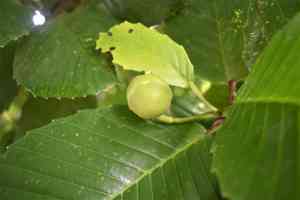
Originating from the Philippines, katmon is a fruiting arboreal species recognized for its expansive, lustrous foliage and prominent blossoms. Perform pruning on katmon during its inactive period in winter to ensure peak vitality and visual appeal. Eliminate any lifeless or ailing limbs, reduce density in congested zones to facilitate light entry and air movement, and sculpt the crown to control its dimensions. Regular trimming stimulates robust development, boosts fruit yield, and preserves structural soundness, which is vital for enduring severe climatic conditions.
What Are the Benefits of Pruning Katmon?
What Are the Benefits of Pruning Katmon?
Trimming katmon promotes robust development and helps maintain its desired shape. Deliberate cuts encourage new, strong branches, boosting the plant's vigor and visual appeal.
What Is the Best Time for Pruning Katmon?
What Is the Best Time for Pruning Katmon?
Pruning or trimming katmon during the dry season is ideal due to several factors. Firstly, the dry season aligns with late winter to early spring in its native region, a period when the plant is typically not in its active growth phase. Trimming at this time helps minimize stress on katmon, as the plant can recover better when its metabolic activities are reduced. Pruning before the start of the rainy season allows katmon to direct its energy towards new growth, resulting in a vigorous flush of leaves and branches. Additionally, removing dead or diseased branches before the more humid seasons decreases the risk of fungal infections that thrive in moist conditions. This timing also accommodates katmon's flowering cycle, generally avoiding the removal of buds that will develop into flowers and fruits in the upcoming months. This approach promises healthier foliage and more abundant yields in the plant's subsequent active growth phase.
What Tools Do I Need to Prune Katmon?
Hand Pruners
Perfect for making precise cuts on katmon's smaller branches and twigs with diameters up to 3/4 inch.
Lopping Shears
Suitable for cutting through thicker branches, typically up to 1 1/2 inches in diameter, which katmon may develop as it matures.
Pruning Saw
Essential for removing katmon's larger branches over 1 1/2 inches in diameter to ensure clean cuts without harming the plant.
Hedge Shears
Useful for shaping and trimming katmon's foliage, if a more manicured form is desired, especially in hedge-type plantings.
Pole Pruner
Recommended for reaching katmon's higher branches without needing a ladder, ensuring safety while pruning taller specimens.
How to Prune Katmon
Cleaning Tools
Before pruning katmon, sanitize all cutting tools with isopropyl alcohol or a 10% bleach solution to prevent the spread of diseases.
Identifying Parts
Inspect katmon for dead or diseased branches, which may show discoloration, dryness, and lack of leaves or fruit, indicating the need for removal.
Pruning Dead Branches
Using sharp pruning shears, make clean cuts to remove dead branches from katmon, ensuring the cut is made close to the trunk or main branch to promote healing without leaving stubs.
Pruning Diseased Branches
Carefully prune away diseased branches from katmon, cutting well into healthy tissue to ensure all infected material is removed, and dispose of the diseased material properly, away from healthy plants.
Post Pruning Care
After pruning katmon, clean the tools again to prevent the transmission of any pathogens and apply a wound dressing or pruning sealant if necessary to larger cuts to aid in the healing process.
Common Pruning Mistakes with Katmon
Over-Pruning
Removing too much foliage at once can stress katmon, hindering its growth and recovery. A good practice is to never remove more than one-third of the plant in a single pruning session.
Improper Cuts
Cutting too far from a bud or leaving a stub can result in unnecessary harm to katmon. Cuts should be clean and close to a bud to promote proper healing and prevent disease.
Neglecting Tools
Using dull or dirty tools can cause ragged cuts, which are more prone to infection. Make sure to use sharp and sterilized pruning shears for clean cuts.
Ignoring Shape
Not considering the natural form of katmon during pruning can lead to a less aesthetically pleasing plant and may hinder its natural growth pattern.
Pruning Indiscriminately
Randomly cutting branches without understanding the growth habit of katmon can lead to uneven growth and reduced flowering potential.
Common Pruning Tips for Katmon
Selective Trimming
Focus on removing dead, diseased, or broken branches, which helps to maintain the health and appearance of katmon without compromising its structure.
Promote Air Circulation
Thinning out congested areas can improve air circulation, reducing the risk of fungal diseases for katmon.
Encourage New Growth
Pruning just above leaf nodes and growth buds stimulates katmon to produce new growth and can lead to more vigorous branching and flowering.
Maintain Tools
Keep pruning shears sharp and clean to ensure precise cuts that heal quickly, reducing the risk of disease for katmon.
Follow Plant Structure
When shaping katmon, observe the natural growth habit and make cuts that enhance its form rather than working against it.



