How to Prune Asian crabgrass?
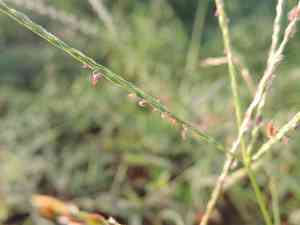
Asian crabgrass, an intrusive warm-weather grass frequently observed in disrupted environments, necessitates appropriate control measures to inhibit its proliferation. Trimming should be performed in early spring or during the winter period, prior to its vigorous growth stage. Reduce the plant's height or mow it to sustain the preferred dimensions and avert the development of seed heads. This action diminishes its invasive capacity and fosters a more robust lawn or cultivated area. Dispose of all cuttings to preclude further spread. Strategic pruning contributes to ecological equilibrium and bolsters the competitiveness of indigenous flora.
Advantages of Trimming Asian Crabgrass
Advantages of Trimming Asian Crabgrass
Trimming asian crabgrass promotes robust development by eliminating dead or overly dense growth, thereby revitalizing the plant. It maintains asian crabgrass's neat form, controlling its invasive tendencies and preserving garden aesthetics.
Optimal Time for Trimming Asian Crabgrass
Optimal Time for Trimming Asian Crabgrass
The best periods for trimming asian crabgrass are early spring and winter, as these coincide with the plant's dormant phase. Pruning during dormancy, before the spring's rapid growth, supports a healthier growth cycle. In early spring, the plant hasn't yet invested energy into significant growth, making it an ideal window to shape the plant without hindering its development. Winter trimming is also suitable for removing dead or diseased foliage without stressing asian crabgrass when it's not actively growing. Avoiding pruning during active growth or flowering ensures the plant's energy is conserved for healthy foliage and root development.
Tools Required for Trimming Asian Crabgrass
Manual Grass Shears
Asian crabgrass is a type of grass, and manual grass shears are perfect for trimming and shaping grass blades without harming the plant. They allow for precise cuts and are easy to maneuver around the plant's base.
String Trimmer
For larger areas or where asian crabgrass is growing more densely, a string trimmer can quickly cut back unwanted grass. It's useful for maintaining edges and preventing asian crabgrass from spreading into garden beds or pathways.
Lawn Edger
Asian crabgrass can extend onto sidewalks or into garden beds, and a lawn edger creates a clear boundary. It forms neat lines and stops the grass from growing into undesired areas.
Hand Pruners
While not typically used for grass, if asian crabgrass is growing in clumps or has some tough, thick stems, hand pruners can be used to selectively remove these without disturbing the surrounding area.
How to Trim Asian Crabgrass
Sanitize tools
Before beginning the trimming process, ensure all pruning tools are clean and sterilized to prevent the spread of disease to asian crabgrass.
Identify diseased and withered leaves
Carefully inspect asian crabgrass for any diseased or withered leaves that require removal. Diseased leaves may show signs of discoloration or spots, while withered leaves typically appear dry and lifeless.
Trim diseased leaves
Using sharp pruning shears, selectively cut off diseased leaves from asian crabgrass at the base of the leaf stem, being careful not to damage healthy surrounding foliage.
Trim withered leaves
Similarly, remove withered leaves from asian crabgrass by cutting them at the base of the leaf stem to tidy up the plant and encourage healthier growth.
Discard trimmed material
Dispose of all removed leaves from asian crabgrass far from the garden area or in a sealed bag to minimize the risk of disease spread to other plants.
Common Trimming Errors with Asian Crabgrass
Excessive trimming
Removing too much foliage can stress asian crabgrass, leading to a weakened structure and reduced vigor.
Tearing Stems
Using dull or unsuitable tools can cause jagged cuts that are harder for asian crabgrass to heal, making the plant susceptible to pests and diseases.
Random Cuts
Trimming without understanding the growth patterns of asian crabgrass can result in an unhealthy and unattractive plant shape.
Ignoring Dead Matter
Failing to remove dead or diseased material can hinder asian crabgrass's growth and increase the risk of disease spreading.
Trimming Healthy Tops
Cutting off the healthy top growth too aggressively can limit asian crabgrass's ability to photosynthesize and grow effectively.
General Trimming Advice for Asian Crabgrass
Sharp Tools
Use clean, sharp pruning shears to make clean cuts on asian crabgrass, which can heal more efficiently and minimize damage.
Focus on Dead Material
Prioritize the removal of dead, diseased, or damaged parts of asian crabgrass to promote disease prevention and healthy growth.
Selective Thinning
Thin out crowded areas of asian crabgrass to ensure adequate sunlight and air circulation, which is crucial for reducing disease risk.
Consider Growth Habit
Understand the natural shape of asian crabgrass and prune to complement it. This keeps the plant looking natural and healthy.
Regular Maintenance
Keep an eye on asian crabgrass for any signs of unhealthy growth or overcrowding, and prune as necessary to prevent larger issues.



