How to Prune Spanish peaks foxglove?
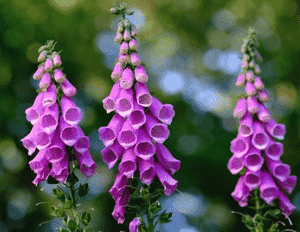
This perennial herb is recognized for its pipe-shaped, pinkish-purple blossoms. Spanish peaks foxglove thrives with the removal of spent flowers to encourage additional flowering and inhibit uncontrolled propagation. The most effective trimming takes place after flowering in late spring to mid-summer, with minor shaping permissible until autumn. Consistent elimination of faded blooms preserves spanish peaks foxglove's aesthetic quality and vitality, aiding in redirecting energy toward more vigorous development and floral displays. These methods guarantee strong blooming periods and manage the plant's expansion within garden environments.
What Are the Benefits of Pruning Spanish Peaks Foxglove?
What Are the Benefits of Pruning Spanish Peaks Foxglove?
Trimming spanish peaks foxglove encourages robust development and maintains its desired form. Regular cutting helps revitalize the plant, fostering dense, healthy leaves and a more compact, attractive shape.
What Is the Best Time for Pruning Spanish Peaks Foxglove?
What Is the Best Time for Pruning Spanish Peaks Foxglove?
Pruning in Spring allows spanish peaks foxglove to reallocate energy towards producing strong growth and blooms before the peak flowering period in early summer. Summer pruning is ideal for deadheading faded flowers, thereby promoting a second bloom and improving overall plant health by preventing seed formation and redirecting energy to vegetative growth. Pruning in the Fall is beneficial for removing dead or diseased foliage and stems, which helps prevent pests and diseases from overwintering, thus protecting the plantâs vitality for the next growing season.
What Tools Do I Need to Prune Spanish Peaks Foxglove?
Sharp Bypass Pruners
Perfect for making clean cuts on the relatively slender stems of spanish peaks foxglove. Bypass pruners create a neat and healthy cut, minimizing harm to the plant's vascular system.
Gardening Scissors
Useful for trimming smaller or more delicate parts of spanish peaks foxglove, such as removing spent flowers or shaping the plant without causing unnecessary damage to adjacent stems.
Pruning Saw
Required for removing any older, thicker growth that standard pruners cannot handle. Although spanish peaks foxglove generally has thinner stems, a compact pruning saw is helpful for maintaining the plant's health and structure.
How to Prune Spanish Peaks Foxglove
Clean tools
Before beginning the pruning process for spanish peaks foxglove, ensure all pruning tools (such as shears and clippers) are clean and sharp. This is vital to prevent disease spread among plants and to make clean cuts that will heal more effectively.
Identify parts
Carefully examine spanish peaks foxglove to pinpoint the specific areas needing attention. Look for diseased leaves, withered leaves, dead branches, and diseased branches as specified in the 'Trim_parts' input. Distinguishing healthy growth from unhealthy growth is crucial for effective pruning.
Cut diseased and withered leaves
Using your prepared tools, gently remove diseased and withered leaves from spanish peaks foxglove. Cut close to the base of each leaf, but be careful not to harm the main stems. Removing these leaves will help prevent disease spread and redirect spanish peaks foxglove's energy towards healthier growth.
Prune dead and diseased branches
Next, focus on removing dead branches and diseased branches. Prune these back to their origin point or to the nearest healthy bud. Ensure each cut is clean and angled away from the bud to prevent water accumulation, which can lead to further disease.
Dispose of debris
Once pruning is finished, promptly dispose of all cut leaves and branches away from healthy plants to minimize the risk of disease spread. It is important to clean your tools again after finishing to maintain hygiene.
Common Pruning Mistakes with Spanish Peaks Foxglove
Overpruning
Removing too much foliage from spanish peaks foxglove can weaken the plant. Itâs crucial not to cut back more than one-third of the plant's total height or volume during a single pruning session, as this can stress the plant and reduce its vigor.
Pruning at the wrong height
Cutting spanish peaks foxglove too short during pruning can hinder its ability to produce flowers. Ensure you leave sufficient stem length above the basal rosette to promote healthy flower development.
Incorrect tool usage
Using dull or dirty pruning tools on spanish peaks foxglove can create jagged cuts that make it more susceptible to diseases. Always use sharp, clean shears to make precise cuts.
Common Pruning Tips for Spanish Peaks Foxglove
Deadheading
Regularly remove spent flowers of spanish peaks foxglove to encourage further blooming and to prevent the plant from using energy to produce seeds unless seed collection is desired.
Post-flowering pruning
After the main flowering period, cut back the flower stalks of spanish peaks foxglove to the base to tidy up the plant and focus the plantâs energy on root and foliage development.
Basal cuts
Make cuts close to the base of the spent flower stems of spanish peaks foxglove when pruning. This encourages new growth from the base and helps maintain a compact, healthy plant structure.



