How to Prune Silver ponysfoot?
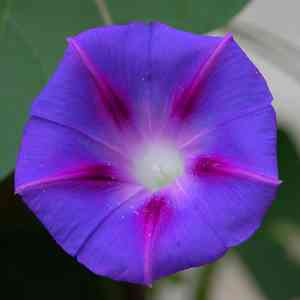
This trailing groundcover is recognized for its metallic-hued leaves and flourishes in temperate regions. For silver ponysfoot, lightly shear to preserve its form and foster more compact development. Perform pruning in the spring to eliminate harm from winter and once more in the summer to keep it neat. Trimming during active growth phases enables rapid recuperation. Consistent cutting averts excessive growth and can encourage more vibrant foliage, highlighting the plant's unique silvery luster.
What Are the Benefits of Pruning Silver Ponysfoot?
What Are the Benefits of Pruning Silver Ponysfoot?
Trimming silver ponysfoot promotes robust development and helps maintain its intended form. It allows for improved light exposure and air movement, fostering a healthier specimen. By eliminating overgrown or dead foliage, pruning deters the spread of pests and diseases, ensuring a vibrant look.
What Is the Best Time for Pruning Silver Ponysfoot?
What Is the Best Time for Pruning Silver Ponysfoot?
Pruning or trimming silver ponysfoot in the Spring is ideal as the plant emerges from its dormancy and enters a period of vigorous growth. This allows silver ponysfoot to recover quickly from the pruning and resume its growth cycle, promoting stronger, healthier development. It helps to shape the plant and manage its spreading habit. Early Summer is also suitable for light pruning, especially for maintenance purposes, to encourage bushiness and prevent overgrowth. Additionally, pruning during these seasons prevents the risk of frost damage to new growth, which could occur if pruning were done in late fall or winter. There's typically no significant flowering or fruiting period to consider for silver ponysfoot, so pruning can focus on the plant's form and health without risking the loss of blooms or fruits.
What Tools Do I Need to Prune Silver Ponysfoot?
Hand pruners
These are perfect for making precise cuts on silver ponysfoot's delicate stems, ensuring minimal harm to the plant while enabling the removal of dead or overgrown sections.
Scissors
A sharp pair of garden scissors can be used for snipping soft stems of silver ponysfoot, suitable for trimming and shaping the foliage without causing unnecessary strain on the plant.
Gloves
Gardening gloves will shield the gardenerâs hands from any potential irritation caused by silver ponysfoot's sap during the pruning process and provide a better grip on the tools.
Pruning saw
Not typically necessary for silver ponysfoot, but a small pruning saw can be used if there are any thicker stems or branches that need to be removed, though this is unlikely with silver ponysfoot.'s growth habit.
How to Prune Silver Ponysfoot
Clean And Sharpen Tools
Before pruning silver ponysfoot, ensure all cutting tools are clean and sharp to prevent disease spread and to make clean cuts that heal more readily.
Remove Diseased Parts
Start by carefully removing any diseased leaves or stems from silver ponysfoot, using a pair of scissors or hand pruners. Isolate and discard diseased material immediately to prevent contamination.
Trim Withered Leaves
After removing diseased parts, proceed to trim any withered or yellowing leaves to encourage growth of healthy foliage. Clip these leaves at the base where they meet the stem.
Thin Out Stems
Thin out any overcrowded stems to improve air circulation and light penetration, which can help prevent disease in silver ponysfoot. Snip the stems at the base or at a natural node where new growth can occur.
Shape The Plant
Finalize the pruning process by shaping silver ponysfoot to maintain its natural form. Trim any long or unruly stems that do not conform to the desired shape, cutting at a 45-degree angle just above a leaf node or junction.
Common Pruning Mistakes with Silver Ponysfoot
Over-Pruning
Cutting back too much at once can stress and weaken silver ponysfoot. It is crucial to prune no more than one-third of the plant at a time to prevent shock and ensure the plant's health and vigor.
Disregarding Health
Ignoring signs of disease or pest infestation while pruning can result in spreading problems throughout silver ponysfoot. It's important to inspect silver ponysfoot before pruning and sterilize tools between cuts, especially if disease is present.
Inconsistent Watering
Failing to adjust watering after pruning silver ponysfoot can lead to either underwatering or overwatering. Considering that the plant's water needs may change after pruning, it is necessary to monitor and adjust watering habits accordingly.
Removing Too Much Foliage
Cutting away too much foliage, especially in the growing season, can hinder photosynthesis and the overall energy production of silver ponysfoot. Care should be taken to balance trimming with leaving enough leaves for healthy growth.
Tool Mismanagement
Using dull or dirty pruning tools on silver ponysfoot can cause jagged cuts that are more vulnerable to disease and may hinder the plantâs natural healing process. Sharp, clean pruners ensure precise cuts that heal quickly.
Common Pruning Tips for Silver Ponysfoot
Hygienic Practices
Ensuring tools are clean and sterilized before pruning silver ponysfoot helps prevent the spread of disease. This can be achieved by wiping blades with alcohol or a bleach solution between cuts and plants.
Selective Trimming
Prune only the dead or damaged portions of silver ponysfoot to maintain plant health and appearance. It's important to selectively remove parts that do not contribute to the plantâs vigor or desired shape.
Gentle Shaping
When shaping silver ponysfoot, prune gently to maintain its natural form. Over-shaping can diminish the plantâs aesthetic and health. Aim for a light-handed approach that enhances the plantâs structure without overdoing it.
Encouraging Air Circulation
Prune to open up the plant for better air circulation within silver ponysfoot's foliage. This can help prevent disease and pest infestation by allowing for quicker drying of leaves.
Regenerative Pruning
If rejuvenation is needed, cut back silver ponysfoot in sections over time rather than all at once. This encourages fresh growth while minimizing stress on the plant.



