How to Prune Cheddar pink?
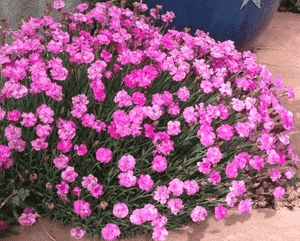
Dianthus gratianopolitanus, recognized for its vivid pink blossoms and bluish-green leaves, flourishes with consistent cutting. Following the blooming period, remove faded flowers to stimulate a subsequent bloom cycle. In the springtime, trim away any deceased stalks to foster fresh development. Throughout the growing season, light shaping helps preserve its form and vitality. Trimming averts excessive density and improves air movement, thereby lowering the likelihood of ailments. Utilize sanitized, keen implements for accurate incisions and rapid recuperation.
What Are the Benefits of Pruning Cheddar Pink?
What Are the Benefits of Pruning Cheddar Pink?
Trimming cheddar pink promotes multiple flowering cycles, ensuring a vibrant display. Consistent cutting maintains a compact shape, aiding in disease prevention while stimulating robust growth and vitality.
What Is the Best Time for Pruning Cheddar Pink?
What Is the Best Time for Pruning Cheddar Pink?
Cheddar pink benefits from trimming to maintain its form and encourage a second bloom. Late spring to early summer allows the gardener to remove spent flowers and direct the plant's energy towards new growth. This timing also permits cheddar pink to recover from pruning cuts during its active growth phase, minimizing disease or pest risk. Pruning at this time avoids disrupting the initial spring flowering and ensures the plant remains vibrant and productive throughout its growing season.
What Tools Do I Need to Prune Cheddar Pink?
Hand Pruners
Perfect for cutting stems and deadheading cheddar pink, hand pruners offer the precision and control needed for maintaining shape and fostering healthy growth.
Shears
For shaping and trimming back clumps of cheddar pink, shears enable quick, even cuts across multiple stems, especially during the plant's dormant period.
Garden Scissors
These are useful for thinning and precise snipping within dense cheddar pink foliage, making it easier to access tight spots without harming the plant.
Gloves
Protective gloves are recommended to shield hands from thorns and rough foliage while pruning cheddar pink, ensuring a comfortable and safe gardening experience.
How to Prune Cheddar Pink
Step1: Assessment for Pruning
Examine cheddar pink for dead flowers and damaged stems that require trimming. Pruning is best performed after cheddar pink has finished blooming, typically in late spring or early summer.
Step2: Tool Sanitization
Sanitize your pruning shears with a solution of 1 part bleach to 9 parts water to prevent disease spread.
Step3: Deadheading Spent Blooms
Begin with dead flowers, also known as deadheading. Snip off the spent flower heads just above the first set of healthy leaves. Make a clean cut at a 45-degree angle to encourage water runoff and prevent disease.
Step4: Damaged Stem Identification
Identify damaged stems. Look for stems that are broken, discolored, or appear diseased.
Step5: Pruning Back Damaged Stems
Trim damaged stems back to the plant's base or to a point where healthy, green tissue is visible. Avoid leaving stubs as these can attract pests and disease.
Step6: Disposal of Pruned Material
After pruning, collect all cuttings and dispose of them away from your garden to prevent any potential disease spread.
Step7: Post-Pruning Watering
Water cheddar pink at the base to minimize the risk of leaf diseases, which may occur more frequently when foliage is wet for an extended period.
Step8: Mulching Around Plant
Apply a thin layer of mulch around cheddar pink, keeping it away from the plant's crown to discourage rot.
Step9: Monitoring for Regrowth
Monitor cheddar pink for new growth, and repeat the pruning process if dead flowers or damaged stems reappear during the growing season.
Post-Pruning Care for Cheddar Pink
Post-Pruning Care for Cheddar Pink
Immediately after trimming cheddar pink, water it thoroughly to reduce transplant shock. Provide bright, indirect light and maintain a consistent temperature; avoid drastic fluctuations. Ensure ambient humidity but avoid wet leaves to deter fungal growth. Fertilize with a balanced, slow-release formula to aid recovery. Monitor cheddar pink for wilting, discoloration, or signs of infection. At signs of stress, adjust care and consult a horticulturist.
Common Pruning Mistakes with Cheddar Pink
Over-pruning Reduces Vigor and Blooms
Excessive pruning can lead to less vigorous growth and fewer blooms for cheddar pink. Removing too much of the plant at once may shock it and weaken its overall health.
Avoid Cutting into Woody Base for Regrowth
Cutting into the woody base of cheddar pink during pruning can harm the plant, as it does not regenerate well from old wood. Focus should be on the green, non-woody stems for pruning.
Use Sharp, Sterilized Tools to Prevent Disease
Using dull or unclean pruning tools can create jagged cuts that are more prone to disease and may hinder the healing process. Always use sharp, sterilized tools when pruning cheddar pink.
Remove Dead Foliage to Prevent Pest Buildup
Neglecting to remove dead or diseased foliage. This can lead to a buildup of pests and diseases that can spread to healthy parts of cheddar pink.
Prune According to Natural Shape for Aesthetics
Ignoring the natural shape of cheddar pink when pruning. Cutting back plants too severely or not following the natural form can lead to an unnatural appearance and reduced flowering.
Common Pruning Tips for Cheddar Pink
Deadhead to Promote Continuous Blooms
Deadhead spent blooms regularly to promote continuous flowering throughout the growing season. This will also help maintain the shape and compact form of cheddar pink.
Trim Back Flower Stems for Repeat Blooming
After flowering, trim back the flower stems to just above the nearest set of leaves to encourage repeat blooming and prevent the plant from becoming leggy.
Remove Yellowing Leaves to Maintain Health
Remove yellowing or dead leaves as they appear, as well as any damaged or diseased growth to maintain plant health and prevent the spread of pests and diseases.
Thin Dense Growth to Improve Air Circulation
Thin out dense growth to improve air circulation, which helps reduce the likelihood of fungal diseases especially in humid environments. Aim to create an open framework that allows light to reach all parts of the plant.
Light Shaping Prune After Last Bloom
At the end of the growing season after the last bloom has faded, give cheddar pink a light shaping prune to prepare it for the next growing season, but be careful not to cut too much as this can reduce the next season's blooms.



