How to Prune Chinese pink?
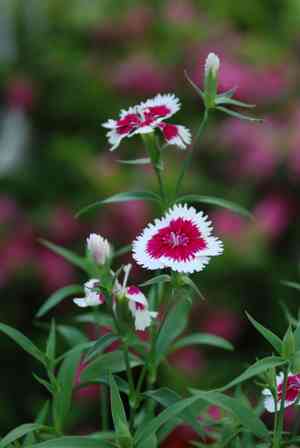
Dianthus chinensis is a vigorous flowering plant prized for its brightly hued blossoms. Regularly remove deceased or frail stalks and faded flowers to foster fresh development and prolong the blooming period. The ideal period for significant trimming is in early spring, precisely when new shoots emerge. Minor shaping can persist until late autumn. Trimming encourages more compact foliage and robust specimens. Disinfect implements prior to use to avert the transmission of pathogens.
Advantages of Trimming Chinese Pink
Advantages of Trimming Chinese Pink
Trimming chinese pink promotes denser, stronger development, resulting in abundant blossoms. Regular cutting maintains an appealing form and prevents excessive growth, ensuring the plant's vigorous health.
Optimal Time for Trimming Chinese Pink
Optimal Time for Trimming Chinese Pink
Trimming in early spring fosters robust new development and helps preserve chinese pink's desired shape. It also allows gardeners to clear winter damage before the plant enters its active growth phase. Late fall trimming is beneficial as it removes spent flowers and can prevent potential disease issues over winter. Furthermore, during this period, chinese pink is dormant, minimizing plant stress, and it helps conserve energy for the next growing season, encouraging a strong bloom.
Required Tools for Trimming Chinese Pink
Hand Pruners
Perfect for making clean cuts on chinese pink's stems, as they are precise and can easily navigate the plant's compact growth habit. Recommended types include bypass pruners, which create clean cuts that heal quickly, thus promoting healthy regrowth.
Garden Scissors
Useful for deadheading or trimming faded flowers on chinese pink to encourage further blooming. Garden scissors offer the necessary precision and control for delicate tasks, as chinese pink may have closely spaced blooms requiring careful attention to avoid damaging adjacent flowers.
Pruning Snips
Ideal for thinning and shaping chinese pink, as they provide precise cutting with minimal plant damage. Their narrow blades are particularly advantageous for reaching into dense foliage without causing unintended cuts to the plant.
Shears
While larger shears might be too unwieldy for chinese pink, smaller, handheld shears can be used for shaping the plant, especially when dealing with a mass planting where a uniform shape is desired. They are best suited for soft, green stems rather than woody growth, which chinese pink typically lacks.
How to Trim Chinese Pink
Step1: Sanitize Pruning Tools
Start by cleaning and sterilizing your pruning shears to prevent disease spread to chinese pink. Use rubbing alcohol or a diluted bleach solution to disinfect the blades.
Step2: Deadhead Faded Flowers
Identify and remove dead flowers, known as deadheading, on chinese pink to encourage more blooms. Locate the base of the spent flower stem, just above the first set of healthy leaves.
Step3: Angle Cut Dead Stems
Make a clean cut with your shears at the base of chinese pink's dead flower stem. Angle the cut at 45 degrees to prevent water accumulation that could lead to rot.
Step4: Trim Wilted Stems
Look for wilted stems on chinese pink that appear discolored, limp, or damaged. Trimming these will help redirect the plant's energy to healthier growth.
Step5: Cut Above Leaf Nodes
When trimming wilted stems on chinese pink, cut just above a leaf node or a branching point to encourage new growth. Ensure the remaining stem shows no signs of wilting or damage.
Step6: Remove Old Non-Productive Stems
Locate old stems on chinese pink that show no signs of new growth or flowering. These stems may be tougher and more woody than fresh growth.
Step7: Cut Old Stems at Base
Trim the old stems of chinese pink at their base, closest to the ground or main branch, depending on the plant's growth habit. This will help rejuvenate the plant and promote denser growth.
Step8: Dispose of Cuttings and Clean Tools
After trimming chinese pink, dispose of the cuttings properly to avoid any disease spread, and clean your tools again.
Step9: Water and Fertilize After Trimming
Water chinese pink lightly if the soil is dry, and apply a balanced fertilizer to support new growth following the trimming process.
After-Trimming Care for Chinese Pink
After-Trimming Care for Chinese Pink
Immediately after trimming chinese pink, ensure sufficient watering to aid recovery. Adjust the plant's exposure to bright, indirect light to lessen stress, and maintain temperature around 60-70°F with moderate humidity. Apply a balanced, diluted fertilizer to replenish nutrients. Regularly inspect chinese pink for wilting or discolored foliage, indicating stress or infection, and treat promptly with appropriate fungicides or pest control measures. Monitoring growth and health is vital for chinese pink's strong comeback post-trimming.
Common Trimming Errors with Chinese Pink
Excessive Trimming Can Shock Plants
Trimming too aggressively, which can shock chinese pink and lead to reduced flowering or even plant death.
Dull or Dirty Tools Damage Plant Tissue
Using dull or contaminated trimming tools, which can harm chinese pink's plant tissues and facilitate disease spread.
Ignoring Dead Foliage Hinders Growth
Neglecting to remove dead or diseased foliage, which can impede new growth and hinder chinese pink's overall health and appearance.
Trimming Without Understanding Growth Patterns Harms Blooms
Trimming without understanding chinese pink's growth pattern, such as removing shoots that would have produced blooms or cutting too far back from the flowering nodes.
General Trimming Advice for Chinese Pink
Sharp, Clean Shears Ensure Healthy Cuts
Use clean, sharp shears to make precise cuts on chinese pink, which will help prevent damage and potential disease entry points.
Deadheading Encourages More Blooms
Remove faded flowers regularly (deadheading) to encourage chinese pink to produce more blooms and maintain a tidy appearance.
Trimming for Shape and Air Circulation
Trim chinese pink with the goal of shaping the plant and maintaining good air circulation through the foliage, which is crucial for plant health.
Post-Bloom Trimming Stimulates New Growth
Lightly trim back chinese pink after blooming to stimulate new growth and help maintain a compact, bushy form.
Trim Near Breakpoint for Healthy Shoots
Be mindful of the 'breakpoint'âthe point on chinese pink's stem where new buds formâand try to trim just above this to promote new healthy shoots.



