How to Prune Carnation?
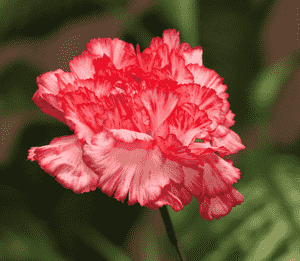
Distinguished by its vivid blossoms and extended flowering periods, the carnation greatly profits from trimming. Removing faded blooms stimulates additional flowering and preserves visual appeal. Pinching off the terminal growth encourages a more compact form. Trimming should be performed from the beginning of spring through the end of autumn, aligning with periods of active development. Refrain from winter pruning to avert damage from low temperatures. Pruning improves air movement and general plant robustness, diminishing the likelihood of illness and fostering renewed floral displays.
What Are the Benefits of Pruning Carnation?
What Are the Benefits of Pruning Carnation?
Trimming carnation encourages more robust development, ensuring a strong framework capable of supporting numerous blossoms. Regular cutting keeps carnation well-formed, enhancing its visual appeal and preventing excessive growth that could harm plant health.
What Is the Best Time for Pruning Carnation?
What Is the Best Time for Pruning Carnation?
Early spring trimming coincides with the start of carnation's growth cycle, promoting a healthy beginning and vigorous development throughout the growing period. This timing allows gardeners to remove any winter damage and shape the plant before it invests energy into new growth. Late fall pruning, once the plant has finished blooming, is ideal as it prepares carnation for dormancy, helping to prevent disease and reduce energy expenditure on maintaining unnecessary foliage. Pruning during these seasons contributes to the plant's overall vitality and encourages abundant flowering in the subsequent growth cycle.
What Tools Do I Need to Prune Carnation?
Hand Pruners or Secateurs
Perfect for making precise cuts on carnation, hand pruners or secateurs are designed to cut through stems while minimizing plant damage. Their sharp blades allow for clean cuts that help the plant heal quickly and reduce disease risk.
Shears
For shaping and trimming carnation's foliage, shears offer a longer blade that helps create even, straight cuts across multiple stems. They are especially useful for maintaining carnation's dense, bushy growth habit.
Pruning Snips
Pruning snips are useful for deadheading carnation or removing small, delicate stems. Their precise cutting action is perfect for intricate work and ensures minimal plant damage.
Disinfectant
To prevent disease spread when pruning carnation, it is essential to use a disinfectant on pruning tool blades. Clean cuts help maintain plant health and vigor.
How to Prune Carnation
Step1: Tool Preparation and Sterilization
Before you begin trimming carnation, ensure you have clean, sharp pruning shears or scissors to prevent infection and ensure a clean cut. Sterilize your tools by wiping them with isopropyl alcohol.
Step2: Deadheading for More Blooms
Start by removing spent flowers, also known as deadheading, to promote more blooms. Locate the faded flower just below the flower head and make a cut to remove it. This encourages carnation to divert energy into creating new blooms instead of seed production.
Step3: Trimming Weak Stems to Boost Vigor
Identify thin stems that are weak or not producing flowers. Trim these stems back to the base of the plant or to a node where a healthy leaf is growing, encouraging the growth of stronger, more vigorous stems. This also improves air circulation within carnation, which helps prevent fungal diseases.
Step4: Pruning Wilted or Yellowed Leaves
Check for wilted or yellowed leaves, which could indicate disease or just the natural aging process. Gently prune these leaves at the point where they connect to the stem, taking care not to damage adjacent healthy foliage or stems. Removing wilted leaves improves the overall appearance and health of carnation.
Step5: Shaping the Plant for Desired Form
Shape carnation by cutting back overgrown stems to maintain the desired plant size and form. When shaping, cut just above a leaf node to stimulate new growth. Try to maintain a natural-looking shape that suits the growth habit of carnation.
Step6: Cleanup of Pruning Debris
After pruning, clean the area around the base of carnation to remove any fallen debris, which could harbor pests or diseases.
Step7: Proper Disposal of Trimmings
Dispose of the trimmings properly, as diseased or pest-infested waste should not be composted.
Step8: Post-Pruning Hydration
Water carnation after pruning, to reduce stress. Apply water at the base and avoid wetting the foliage, which can lead to fungal diseases.
Step9: Monitoring for Growth and Pests
Monitor carnation in the following weeks for new growth and signs of pests or disease. Additional light pruning can be done as needed to remove any additional dead or diseased material that appears.
Step10: Ongoing Seasonal Pruning Maintenance
Repeat the pruning process during the growing season to ensure carnation remains healthy, vibrant, and floriferous.
Post-Pruning Care for Carnation
Post-Pruning Care for Carnation
Immediately after carnation's pruning, ensure it's hydrated to aid recovery, but avoid waterlogged soil. Post-pruning, carnation requires bright, indirect light, consistent mild temperatures, and moderate humidity. Fertilize with balanced nutrients to promote growth. Monitor carnation for wilting, discoloration, or pests, indicative of stress or disease. If symptoms appear, adjust care and consider a fungicide or pesticide. Regular observation ensures carnation thrives post-pruning.
Common Pruning Mistakes with Carnation
Over-pruning Reduces Blooming
Cutting too aggressively and removing too much of carnation's foliage, which can stress the plant and inhibit blooming.
Neglecting Deadhead Wastes Energy
Ignoring the dead or faded flowers, which can lead to carnation expending energy on seed production rather than new blooms.
Dull Tools Risk Plant Damage
Using dull or dirty pruning tools that could cause damage to carnation's stems, potentially introducing disease to the plant.
Improper Pruning Cuts Future Blooms
Pruning without a clear understanding of carnation's growth pattern, potentially removing new flower buds and reducing the overall flowering potential.
Top-Only Pruning Causes Leggy Plants
Pruning only the top part of carnation, creating a leggy plant with sparse bottom foliage and a top-heavy appearance.
Common Pruning Tips for Carnation
Deadheading Encourages More Blooms
Remove spent flowers promptly by deadheading, cutting back to the first set of healthy leaves to encourage carnation to produce more blooms.
Thinning Stems Boosts Airflow and Growth
Thin out crowded stems to improve air circulation, reduce the risk of fungal diseases, and ensure that carnation has ample space for growth.
Post-Bloom Pruning Refreshes Plant
Cut back carnation to about half its height after the main flowering period to rejuvenate growth and potentially promote a second flush of flowers.
45-Degree Angle Cuts Aid Healing
Prune carnation's stems at a 45-degree angle just above a leaf node, which helps prevent water accumulation and promotes faster healing.
Sanitize Tools to Prevent Disease
Sanitize pruning tools before and after use to prevent the spread of disease, ensuring clean cuts that carnation can heal from quickly and efficiently.



