How to Prune Sweet william?
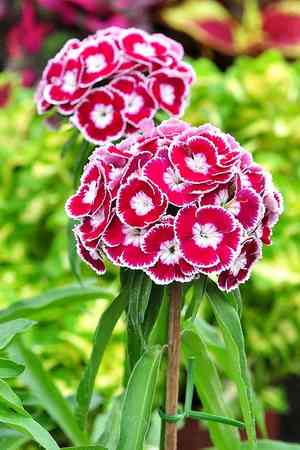
A favored decorative plant known for its aromatic flower groupings, sweet william thrives with appropriate trimming. Removing faded blossoms stimulates subsequent flowering. Trimming the upper third after blooming fosters a denser habit and prevents elongated stems. Pruning activities should occur from early spring through late autumn, coinciding with its growth phases. This practice improves air movement, reduces illness, and guarantees robust development, preserving the plant's dense, appealing structure.
What Are the Benefits of Pruning Sweet William?
What Are the Benefits of Pruning Sweet William?
Trimming sweet william promotes abundant flowering, stimulates vigorous development, and maintains a compact, attractive form, preventing legginess and boosting its decorative appeal.
What Is the Best Time for Pruning Sweet William?
What Is the Best Time for Pruning Sweet William?
Pruning sweet william in early spring allows it to direct energy towards new growth, ensuring a strong start for the flowering period. Removing dead or weak stems at this time helps prevent disease and encourages more prolific blooms. Late fall pruning is suitable for removing spent flowers and any elongated or overgrown stems after the plant has finished blooming. This timing prevents seed dispersal and unwanted self-seeding, and it helps maintain an appealing shape as the plant enters dormancy for winter.
What Tools Do I Need to Prune Sweet William?
Bypass Pruners
Ideal for clean and precise cuts, bypass pruners are perfect for deadheading and shaping sweet william, as they create a neat cut that encourages healthy regrowth.
Floral Snips
These are excellent for thinning small, delicate stems and foliage of sweet william without harming surrounding blooms and leaves.
Gloves
Protective gloves are essential when pruning sweet william to prevent cuts and scrapes from thorns and sharp stems.
Disinfectant
Tools should be disinfected before and after use to prevent the spread of disease while pruning sweet william.
Pruning Saw
For older, woodier specimens of sweet william, a pruning saw may be necessary to remove larger, tougher stems.
Garden Scissors
For precise snipping of sweet william to thin out or harvest individual flowers or small branches.
How to Prune Sweet William
Step1: Inspect Plant for Pruning Areas
Examine sweet william for signs of spent flowers, withered stems, and damaged sections. Identifying areas needing trimming is vital for the plant's health and appearance.
Step2: Remove Dead Flowers to Encourage Blooming
Using clean, sharp pruning shears, snip off dead flowers at their base. This will promote further blooming and prevent sweet william from expending energy on seed production unless seed collection is desired.
Step3: Trim Withered Stems for Stronger Growth
Locate withered or weak stems. Cut these stems back to the plant's base or to the nearest set of healthy leaves. This will encourage the growth of stronger stems and improve air circulation around sweet william.
Step4: Cut Damaged Parts to Prevent Disease
Remove any visibly damaged parts of sweet william by cutting them at least 1/2 inch into healthy tissue to ensure the damage does not spread. Make the cut at a 45-degree angle to facilitate water runoff and reduce the chance of disease.
Step5: Shape Plant Post-Trimming
After trimming, lightly shape sweet william to maintain its natural form. Avoid over-pruning, which can stress sweet william and reduce its vigor.
Step6: Clean Up and Disinfect Pruning Tools
Promptly dispose of all removed plant material and clean your pruning shears with rubbing alcohol to prevent the spread of disease to other plants.
Step7: Water Plant After Pruning
Water sweet william adequately after pruning to help it recover from the stress of trimming, but be sure not to overwater as sweet william prefers well-draining soil.
Step8: Care for Plant Post-Pruning
Monitor sweet william over the following weeks, and provide proper care including sunlight, watering, and fertilization to support healthy regrowth.
Post-Pruning Care for Sweet William
Post-Pruning Care for Sweet William
Immediately after pruning sweet william, ensure it receives sufficient water to aid recovery, but avoid waterlogging. Place sweet william in a location with bright, indirect light and maintain a temperature range of 60-75°F with moderate humidity. Post-pruning, apply a balanced, slow-release fertilizer to nourish sweet william. Regularly inspect for signs of distress such as wilting or discolored leaves. If symptoms appear, alleviate stress by adjusting the environment and consider a fungicide for potential infection.
Common Pruning Mistakes with Sweet William
Over-pruning can stress plants and reduce blooms
Pruning sweet william too severely, removing an excessive amount of the plant, which can lead to stress and fewer flowers.
Dull or dirty tools damage stems and spread disease
Using dull or dirty pruning tools, which can harm the stems of sweet william and introduce disease.
Not deadheading prevents new blooms on plants
Failing to deadhead spent flowers, which can prevent sweet william from producing more blooms.
Cutting into woody base can harm plant growth
Cutting into the woody base of sweet william, which can damage the plant and limit its growth potential.
Unnatural pruning harms plants' health and growth
Ignoring the natural shape of sweet william and pruning into an unnatural form, potentially leading to unhealthy growth.
Common Pruning Tips for Sweet William
Sharp, clean shears for healthy cuts and disease prevention
Use sharp, clean pruning shears to make precise cuts on sweet william, which will promote better healing and prevent disease.
Deadhead during bloom season for more flowers
Deadhead sweet william throughout the blooming season to encourage more flowers and a tidier plant appearance.
Prune post-bloom to stimulate new flowers
After the initial flush of flowers, cut back sweet william by one-third to one-half to stimulate a second bloom.
Pinch young shoots for bushier growth and more blooms
Prune sweet william by pinching off the tips of young shoots to encourage bushier growth and more abundant flowering.
Light spring pruning shapes overwintered plants
For overwintered sweet william, lightly prune to shape the plant and remove any dead or damaged growth in early spring.



