How to Prune Early deutzia?
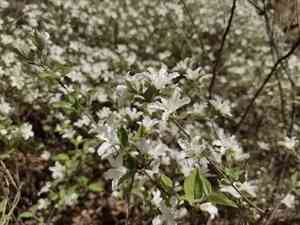
Celebrated for its profuse, star-like white blossoms, early deutzia flourishes with appropriate trimming. Essential methods involve excising deceased or compromised wood, reducing congested branches, and sculpting the plant after its blooming period. The most effective periods for pruning are early spring or late winter, coinciding with early deutzia's developmental rhythm. Trimming improves air movement, stimulates robust development, and boosts flower yield. Verify that cuts are precise and angled to deter illness and foster sound regeneration. Always employ sanitized implements for superior outcomes.
What Are the Benefits of Pruning Early Deutzia?
What Are the Benefits of Pruning Early Deutzia?
Early deutzia thrives with trimming, which encourages robust development, maintains a desired form, enhances blooming, and improves its overall look. Proper pruning of early deutzia also decreases vulnerability to pests and illnesses, ensuring a healthier and stronger plant.
What Is the Best Time for Pruning Early Deutzia?
What Is the Best Time for Pruning Early Deutzia?
Early deutzia should be trimmed in late winter to early spring before new shoots emerge. This timing is ideal as it allows the plant to recover quickly before the growing season begins, ensuring vigorous health and development. Pruning during this period also ensures that you do not accidentally remove flower buds, preserving the plant's beauty and blooming potential. Early spring trimming aids in shaping the plant, removing dead or damaged branches, and fostering a stronger framework, which supports better flowering throughout the season.
What Tools Do I Need to Prune Early Deutzia?
Bypass Pruners
These are perfect for clean cuts on living wood, which helps prevent disease. They are crucial for making precise cuts on smaller branches of early deutzia.
Loppers
Useful for cutting thicker branches that are too large for bypass pruners. They offer extra leverage and make clean cuts on older, thicker stems of early deutzia.
Pruning Saw
Essential for handling very thick branches that loppers cannot manage. This ensures you can maintain early deutzia's structure without causing harm.
Hedge Shears
Good for shaping and trimming larger sections of early deutzia to maintain its overall appearance and encourage dense growth.
Gloves
Protects hands from thorns and rough branches, ensuring safety while pruning early deutzia.
Disinfectant
Crucial for cleaning tools between cuts to prevent the spread of disease. This is particularly vital for maintaining the health of early deutzia.
How to Prune Early Deutzia
Inspection
Examine the plant thoroughly to identify discolored leaves, wilted leaves, dead branches, and diseased branches. Look for indicators such as discoloration, softness, or lack of growth.
Tools Cleaning
Ensure all pruning tools are clean and sharp to prevent the spread of disease. Disinfect tools using a solution of one part bleach to nine parts water, or rubbing alcohol.
Remove Diseased Leaves
Carefully trim away any diseased leaves at their base using sterilized pruning shears. Avoid tearing or damaging the surrounding healthy foliage.
Remove Withered Leaves
Cut back withered leaves, ensuring to trim just above the healthy part of the stem or base. Make clean cuts to promote faster healing and new growth.
Cut Dead and Diseased Branches
Cut dead and diseased branches back to healthy wood or to the base of the plant. Make cuts at a slight angle to prevent water from settling on the cut surface, which can lead to further decay.
Common Pruning Mistakes with Early Deutzia
Improper Technique
Using dull or unclean tools can damage the plant and introduce diseases.
Over-pruning
Removing too much foliage can stress early deutzia and impede its growth and flowering.
Incorrect Cut Placement
Making cuts too close to the bud or leaving long stubs can harm the plant and result in poor regrowth.
Timing Errors
Pruning at the wrong time can remove flower buds and reduce blooming for the next season.
Ignoring Plant Structure
Not considering the natural growth habit and structure of early deutzia can lead to an unattractive and unhealthy shrub.
Common Pruning Tips for Early Deutzia
Sharp Tools
Always use sharp, clean pruning shears to make clean cuts and reduce the risk of disease.
Prune Selectively
Focus on removing dead, damaged, or diseased wood, and thin out crowded branches to improve air circulation.
Correct Cutting Technique
Make cuts just above a leaf node or bud, and angle them away from the bud to encourage water runoff and prevent rot.
Moderation
Limit pruning to a manageable amount each year to maintain the plant's health and shape.
Shape Attention
Follow the natural growth pattern of early deutzia to ensure a balanced and aesthetically pleasing appearance.



