How to Prune Slender deutzia?
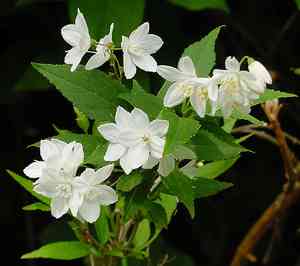
This leaf-shedding bush, recognized for its grouped white blossoms and curving limbs, flourishes with careful trimming. For slender deutzia, after the blooming period in late spring or early summer, reduce one-third of the most mature stalks to their base to encourage fresh development. Eliminate any lifeless, injured, or excessively dense wood to preserve its structure. Consistent trimming fosters robust flowering and a dense shape, which are crucial for this plant's health and aesthetic charm.
Advantages of Trimming Slender Deutzia
Advantages of Trimming Slender Deutzia
Trimming slender deutzia promotes more vigorous, abundant blossoms and aids in preventing pest issues and disease transmission, resulting in a strong and visually appealing shrub.
Optimal Period for Pruning Slender Deutzia
Optimal Period for Pruning Slender Deutzia
Pruning slender deutzia is best done right after its blooming period to avoid removing next year's flower buds. Slender deutzia typically flowers on old wood, meaning buds form on the previous year's growth and open in the current year. Trimming in late spring or early summer – soon after flowering – allows the plant to recover and produce new growth that will bear buds for the subsequent season. This timing also fosters a healthier plant structure and revitalizes any overgrown or sparse areas, which is crucial as slender deutzia's blooms are most plentiful on newer growth. Pruning outside this timeframe, especially in late summer or fall, risks eliminating potential flower buds and negatively impacting the plant's health and flowering capacity for the next cycle.
Required Tools for Pruning Slender Deutzia
Bypass Pruners
These pruners create clean cuts and are perfect for severing green, live stems up to half an inch thick, which is typical for slender deutzia.
Loppers
If slender deutzia has thicker branches, usually up to 1 and 1/2 inches in diameter, loppers provide the extra leverage needed for clean cuts without harming the plant.
Pruning Saw
For mature slender deutzia with branches exceeding 1 and 1/2 inches thick, a pruning saw is essential for cutting through larger wood without tearing it, preserving the plant's health.
Hand Shears
For shaping slender deutzia and trimming smaller twigs or thin branches, hand shears offer precise control, vital when thinning or creating a desired plant form.
How to Prune Slender Deutzia
Clean pruning tools
Sanitize pruning tools before beginning to prevent disease spread. Sterilize shears and saws with a 1 part bleach to 9 parts water solution or use rubbing alcohol.
Remove diseased and dead material
Trim slender deutzia's diseased and dead branches, and remove withered leaves using sharp pruning shears. Make angled cuts, about a quarter-inch above a healthy bud or leaf set to promote healing and prevent water accumulation.
Thin excessive growth
Thin out slender deutzia's overly dense branches to maintain an open, airy structure. Remove some of the oldest stems at the base to encourage new growth and improve air circulation.
Prune withered flowers
Snip off slender deutzia's faded flowers shortly after they wilt to prevent self-seeding and to neaten the shrub. This can also potentially encourage a second, though less robust, bloom.
Shape plant
Shape slender deutzia by trimming any excessively long or misplaced branches to maintain its natural form. Avoid over-pruning, which can stimulate undesirable growth and reduce flowering.
Common Pruning Errors with Slender Deutzia
Overpruning
Cutting back too much of slender deutzia's foliage at once can significantly weaken the plant, potentially leading to reduced flowering or even plant demise.
Cutting old wood
Since slender deutzia flowers on old wood, a frequent error is pruning away the old stems that will produce the current season's blooms, thereby inadvertently reducing flowering potential.
Not disinfecting tools
Failing to disinfect pruning tools before use can introduce diseases to slender deutzia, which can be detrimental to its health and spread to other garden plants.
Neglecting deadwood
Ignoring dead or diseased wood can prevent slender deutzia from directing energy to healthy growth and can also pose a risk of pest infestation or disease spread.
Improper cut placement
Incorrectly placing pruning cuts can damage slender deutzia's healthy stems and disrupt its natural growth pattern, possibly leading to unsightly growth or reduced vitality.
Key Pruning Advice for Slender Deutzia
Selective pruning
Using selective pruning, where only specific parts of slender deutzia are trimmed to shape the plant and open up its canopy, can encourage healthy growth and abundant flowering.
Thin interior
Thinning out the interior of slender deutzia can promote better air circulation and light penetration, resulting in a healthier plant and improved bloom production.
Maintain structure
Focus on maintaining a pleasing structure by pruning slender deutzia just above a set of outward-facing buds to encourage outward growth and avoid overcrowding the center.
Post blooming trim
Trimming slender deutzia after flowering helps to maintain its size and shape, which is essential for its appearance and supports robust growth for the following season.
Use sharp tools
Employing sharp and clean pruning tools makes cleaner cuts that heal faster, helping slender deutzia to stay healthy and preventing the entry of pests or diseases.



