How to Prune Twolobe larkspur?
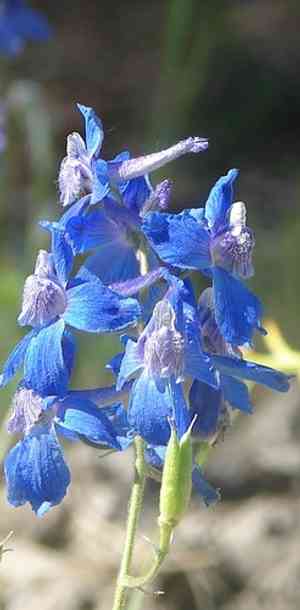
A perennial herbaceous wildflower, twolobe larkspur exhibits delicate stalks and attractive blossoms. Trimming should concentrate on removing faded flowers to stimulate a subsequent bloom and clearing away any withered or compromised leaves throughout the active growth period. The most effective time for pruning is directly following the initial flowering in spring or early summer, and once more as the blooms diminish. Pruning boosts the plant's vigor and stops self-propagation, which can be advantageous for preserving garden appearance and managing dissemination.
Advantages of Trimming Twolobe Larkspur
Advantages of Trimming Twolobe Larkspur
Trimming twolobe larkspur promotes vigorous development and helps maintain its desired shape. By cutting back overgrown stems, cultivators encourage a more robust, well-formed plant that better resists pests and showcases its inherent beauty.
Optimal Period for Trimming Twolobe Larkspur
Optimal Period for Trimming Twolobe Larkspur
Trimming twolobe larkspur in late spring and early summer aligns with this perennial's post-flowering phase. This timing allows gardeners to remove spent flower stalks, encouraging a potential second bloom and preventing the plant from expending energy on seed production. Removing dead or damaged stems at this time also improves air circulation, which can lower disease risk. Additionally, this timing coincides with the plant's active growth cycle, ensuring rapid healing of pruning cuts and minimizing stress on twolobe larkspur.
Necessary Tools for Trimming Twolobe Larkspur
Hand Pruners
For twolobe larkspur, hand pruners are crucial for making precise cuts on stems. These will be used to deadhead spent flowers and trim back any damaged or diseased stems.
Bypass Pruners
Bypass pruners are superior to anvil-style pruners for twolobe larkspur as they provide a clean cut without crushing the delicate stems, thereby reducing the risk of disease.
Pruning Shears
Smaller and more agile than hand pruners, pruning shears are suitable for snipping thin stems and delicate foliage of twolobe larkspur without causing harm to the plant.
Gloves
Wearing gloves while trimming twolobe larkspur is vital for protection, as certain parts of the plant may cause skin irritation.
Garden Scissors
For accurate trimming of twolobe larkspur's foliage and slender stems, garden scissors can be highly effective, allowing for precision without unnecessary damage to the plant's structure.
How to Trim Twolobe Larkspur
Sanitize Tools
Disinfect trimming tools before beginning to ensure you do not spread any diseases to healthy parts.
Remove Diseased Leaves
Carefully snip off any diseased leaves from twolobe larkspur at the base of the leaf stem, avoiding damage to healthy tissue.
Trim Withered Leaves
Remove withered or dead leaves by cutting them at the base to encourage healthy growth and improve air circulation around twolobe larkspur.
Cut Diseased Stems
Cut back any diseased stems on twolobe larkspur to healthy tissue, which may be indicated by a change in color or firmness. Dispose of diseased material immediately to prevent contamination.
Clean Up
After trimming, clear away all debris from around twolobe larkspur to minimize the risk of disease spreading and foster a healthy growing environment.
Common Trimming Errors with Twolobe Larkspur
Excessive Trimming
Removing too much of twolobe larkspur's foliage at once can weaken the plant and cause stress, potentially leading to reduced flowering or even plant death.
Improper Cuts
Cutting too close to the main stem or leaving a large stub can create wounds on twolobe larkspur that are susceptible to disease and pests.
Incorrect Tools
Using dull or dirty trimming tools can result in jagged cuts that harm twolobe larkspur's health and open the door to infections.
Trimming Live Blooms
Cutting away healthy, live blooms can reduce the current year's flowering potential for twolobe larkspur.
Ignoring Deadheads
Failing to remove spent flowers, or deadheading, can prevent twolobe larkspur from producing new blooms since energy is diverted to seed production.
General Trimming Advice for Twolobe Larkspur
Clean Cuts
Make clean, angled cuts on twolobe larkspur to ensure quick healing and reduce the risk of disease entry.
Tool Hygiene
Disinfect trimming tools before use to prevent the spread of disease across twolobe larkspur specimens or to other plants.
Gradual Trimming
Trim twolobe larkspur gradually, removing a small percentage of the plant at a time to maintain its health and vigor.
Deadheading
Regularly remove spent flowers from twolobe larkspur to promote further blooming and redirect energy to healthier parts of the plant.
Stem Thinning
Thin out crowded stems to improve air circulation, which can help prevent disease and pests on twolobe larkspur.
Preserve Shape
While trimming twolobe larkspur, always aim to maintain its natural growth habit for aesthetic appeal and to avoid stress on the plant.



