How to Prune Candle larkspur?
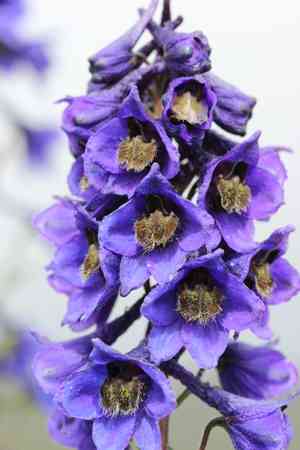
This enduring plant, recognized for its elevated spires of azure or purple blossoms, thrives with the removal of faded flowers to stimulate further blooming. Delphinium elatum should be trimmed following its initial flowering period to foster a subsequent display. Cutting back near the soil surface in late autumn prepares Delphinium elatum for the colder months. The timing is crucial, spanning from early spring to late autumn, while refraining from severe winter trims. Trimming improves air movement, lessening the chance of illness, and preserving a dense form.
Advantages of Trimming Candle Larkspur
Advantages of Trimming Candle Larkspur
Trimming candle larkspur promotes more abundant flowering, fosters robust and vigorous development, and assists in maintaining a tidy, controlled shape, ensuring candle larkspur's garden display remains impressive and thriving.
Optimal Time for Pruning Candle Larkspur
Optimal Time for Pruning Candle Larkspur
Pruning candle larkspur in early spring is advantageous as it eliminates any winter damage and prepares the plant for new growth, leading to a more robust flowering structure. This timing allows gardeners to shape the plant and encourage a strong framework. Late fall pruning is ideal as it helps to prevent disease and pest infestations that can occur over winter. This season is also perfect for removing spent flowers and any dead or damaged stems, which contributes to the overall health of candle larkspur and prepares it for the next growing cycle.
Required Tools for Pruning Candle Larkspur
Bypass Pruners
Perfect for making clean cuts on candle larkspur, bypass pruners are effective for snipping stems and deadheading. Their scissor-like action allows for precise cuts without crushing plant tissues, encouraging healthy regrowth.
Gardening Gloves
Hand protection is crucial when pruning candle larkspur. Wearing gloves helps prevent skin irritation from plant sap and offers defense against sharp tools and thorny stems.
Pruning Saw
For thicker, woodier stems that candle larkspur might develop, a pruning saw is appropriate. This tool enables cutting through larger stems without harming the surrounding plant tissue.
Long-Handled Loppers
When needing to reach higher stalks or make cuts in dense growth, long-handled loppers provide the necessary reach and leverage to prune candle larkspur effectively without strain.
Garden Shears
For shaping and trimming back the foliage of candle larkspur, garden shears can be efficient for quickly and uniformly cutting through numerous stems at once.
Cleaning Cloth & Disinfectant
Keeping pruning tools clean and disinfected is vital to prevent the spread of disease when pruning candle larkspur. A clean cloth and disinfectant should be used to wipe down tools between cuts and after use.
How to Prune Candle Larkspur
Step1: Deadhead Faded Blooms
Identify the spent flowers of candle larkspur at the end of the bloom stalks. These are typically faded and shriveled compared to the vibrant, healthy blooms.
Step2: Trim Dead Flowers with Shears
Using clean, sharp gardening shears, snip off the dead flowers just below the flower head. Make the cut at a 45-degree angle to prevent water from settling on the stem and causing rot.
Step3: Identify and Remove Withered Stalks
Examine candle larkspur for any withered or dried up stalks. These can be differentiated from healthy stalks by their brown or grey color and lack of foliage or flowers.
Step4: Prune at Base for Healthy Growth
Prune the withered stalks at the base, close to ground level or above the lowest set of healthy leaves. Cut at an angle to promote new growth and prevent disease.
Step5: Detect and Isolate Diseased Areas
Look for any signs of disease in candle larkspur, such as discolored leaves, spots, or rot. Isolate the affected portion to avoid spreading the disease to healthy parts.
Step6: Cut Back Diseased Stalks and Leaves
Carefully remove diseased portions of the plant. If a whole stalk is infected, cut it back to ground level. If only a section of a stalk or leaves is affected, make a clean cut into healthy tissue to ensure the removal of all diseased parts.
Step7: Dispose of Pruned Plant Debris
Dispose of all removed plant material, including dead flowers, withered stalks, and diseased portions, away from the garden to prevent disease and pests from spreading.
Step8: Sterilize Shears After Pruning
After pruning, clean the shears with a solution of bleach or alcohol to sterilize them before storing or using on another plant.
Step9: Water at Base Post-Pruning
Water candle larkspur at the base to prevent water splash on the leaves, which can spread diseases. Ensure a well-drained soil to encourage healthy growth after pruning.
Step10: Monitor for New Growth
Monitor candle larkspur after pruning for signs of new growth. Healthy new shoots or leaves indicate successful pruning and a good sign for future blooming.
Post-Pruning Care for Candle Larkspur
Post-Pruning Care for Candle Larkspur
Immediately after pruning candle larkspur, irrigate the soil adequately to help recovery. Maintain partial sun exposureâtoo much can stress pruned plants. Ensure ambient temperatures between 50-70°F and humidity around 40-60%. Apply a balanced, slow-release fertilizer to replenish nutrients. Regularly inspect candle larkspur for wilting, discoloration, or disease signs. If issues arise, adjust care promptly, considering potential requirements for disease treatment or environmental condition modifications.
Common Pruning Mistakes with Candle Larkspur
Over-pruning reduces plant vitality and bloom potential
Pruning back too severely, which can stress candle larkspur and possibly reduce its vitality and flowering potential.
Failing to cut spent flowers wastes plant energy
Neglecting to remove spent flower spikes promptly, which may lead to unnecessary energy expenditure on seed production rather than next season's growth.
Damaging plant base can lead to infection and death
Cutting into the woody base or crown of the candle larkspur, as this can introduce infection or damage the plant beyond recovery.
Common Pruning Tips for Candle Larkspur
Use sharp, clean tools for healthy, precise cuts
Use sharp and clean cutting tools to make precise cuts on candle larkspur, which will help prevent disease and promote quick healing.
Prune only dead matter without disturbing new growth
Remove only the spent flower stalks and dead or damaged foliage to maintain the plant's health and appearance, ensuring not to disturb the new growth at the plantâs base.
Encourage blooms by cutting back to side shoots or base
After flowering, cut the flower spikes back to small flowering side shoots or to just above the base of the plant, where new growth is visible, to encourage a second flush of blooms.



