How to Prune Royal poinciana?
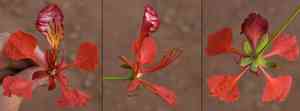
This tropical variety is celebrated for its vivid, brilliant blossoms and expansive, umbrella-shaped crown. Essential trimming methods encompass eliminating deceased wood, reducing dense branches, and sculpting the canopy for peak well-being and visual appeal. Trimming should be performed in late winter or early spring to stimulate robust blooming and development. Particular points to consider include avoiding excessive pruning to preserve its inherent structure and making precise cuts to prevent illness. Pruning amplifies the tree's impressive stature and general vitality.
What Are the Benefits of Pruning Royal Poinciana?
What Are the Benefits of Pruning Royal Poinciana?
Trimming royal poinciana encourages robust development and maintains its desired form. Regular cutting back ensures a strong framework, enhances vitality, and lessens the chance of branch breakage.
What Is the Best Time for Pruning Royal Poinciana?
What Is the Best Time for Pruning Royal Poinciana?
During late winter, royal poinciana is in a dormant state, making this an ideal period to address its structure without interrupting active growth. Early spring pruning coincides with the start of royal poinciana's rapid growth phase, ensuring cut areas heal quickly and the tree's energy is directed towards new, healthy development. This timing also prevents the loss of the floral display that typically occurs in late spring to summer, as it allows the tree to develop the flower buds that form on new wood. Seasonal trimming during these recommended times will contribute to the overall vigor and aesthetic appeal of royal poinciana, while minimizing stress and susceptibility to illnesses.
What Tools Do I Need to Prune Royal Poinciana?
Hand Pruners
Perfect for cutting small branches and twigs on royal poinciana, hand pruners ensure precise cuts without harming the plant. They are excellent for shaping and managing the growth of younger or smaller royal poinciana specimens.
Loppers
For the thicker branches of royal poinciana, loppers with extended handles offer the necessary leverage for making clean cuts on branches too large for hand pruners but still under two inches in diameter.
Pruning Saw
For mature royal poinciana with branches exceeding two inches in diameter, a pruning saw is crucial. Its sharp teeth can handle thicker growth, allowing for tree structure maintenance without tearing or damaging the trunk and larger branches.
Pole Pruner
To safely reach and trim higher branches of royal poinciana, pole pruners or tree pruners will be needed. This tool enables pruning branches from the ground without a ladder, ensuring the gardener's safety while caring for royal poinciana.
Chainsaw
In instances where royal poinciana has very thick, mature branches or for significant limb removal, a chainsaw might be necessary. It should be operated by experienced individuals with appropriate safety gear, as it efficiently handles the largest cuts.
Hedge Shears
For light trimming of royal poinciana, especially when shaping the canopy or dealing with soft, new growth, hedge shears can be utilized for a quick and even cut.
Pruning Gloves
Not a cutting tool, but pruning gloves are vital when handling royal poinciana, as they will shield the gardener's hands from thorns and rough bark during the pruning process.
How to Prune Royal Poinciana
Step1: Timing After Flowering
Determine the optimal time to prune royal poinciana, which is typically after blooming to avoid removing new buds. The suitable period is often in late spring or early summer.
Step2: Safety Gear Usage
Wear appropriate safety equipment, including gloves and eye protection, before beginning to prune royal poinciana.
Step3: Remove Dead Wood
Start by removing dead wood. Locate dead branches, which appear dry, brittle, and leafless. Make cuts at a 45-degree angle, about 1/4 inch above a bud or branch junction using clean, sharp pruning shears.
Step4: Cut Diseased Limbs
Look for diseased limbs, indicated by discolored bark or withered leaves. Use sterilized pruning tools to make cuts well below the affected areas to prevent disease spread. Disinfect your tools after each cut to avoid contaminating healthy parts of royal poinciana.
Step5: Trim Weak Branches
Identify weak branches, especially those with narrow crotch angles that are prone to breaking. Trim these branches back to a lateral branch or the main trunk, ensuring no stubs are left that could lead to decay.
Step6: Natural Shaping Thinning
Shape royal poinciana to maintain a balanced, natural form, avoiding excessive cutting that could stress the tree. Focus on thinning rather than topping, as royal poinciana responds best to gentle shaping.
Step7: Cleanup Clippings Debris
Clear away all clippings and debris from under royal poinciana to prevent fungal diseases and pests from establishing in the decaying plant material.
Step8: Post-Pruning Watering
Water royal poinciana thoroughly after pruning to help reduce tree stress and promote recovery.
Step9: Monitor Tree Health
Monitor royal poinciana for signs of stress or disease in the weeks following pruning and address any issues promptly to maintain the tree's health and beauty.
Post-Pruning Care for Royal Poinciana
Post-Pruning Care for Royal Poinciana
Immediately after pruning royal poinciana, disinfect wounds with a fungicidal solution to prevent infection. Position royal poinciana to ensure it receives ample sunlight, but provide partial shade to reduce stress if temperatures are extreme. Maintain moderate humidity and avoid waterlogging. Support recovery with balanced, slow-release fertilizer, and monitor regularly for signs like wilting or discoloration. If symptoms of stress or disease appear, promptly apply appropriate treatments, considering professional advice.
Common Pruning Mistakes with Royal Poinciana
Avoid Cutting Too Close to Main Stem
Cutting too close to the main stem or trunk of royal poinciana, which can harm the collar and lead to disease and decay.
Don't Over-Prune Foliage at Once
Removing too much foliage at once from royal poinciana, potentially stressing the tree and reducing its ability to photosynthesize.
Use Sharp, Clean Pruning Tools
Using dull or unclean pruning tools that can create jagged cuts and introduce pathogens to royal poinciana.
Prune with a Clear Plan
Pruning without a strategy, which may result in an unbalanced shape and compromised structural integrity for royal poinciana.
Remove Dead or Diseased Wood Promptly
Neglecting to remove dead or diseased wood, which can impede royal poinciana's overall health and growth.
Common Pruning Tips for Royal Poinciana
Make Clean Cuts with Proper Tools
Use sharp, clean pruning tools to make precise cuts on royal poinciana, which helps the plant heal faster and reduce disease risk.
Prune for Strong Structure
Prune royal poinciana to maintain a strong structure, removing interior branches that cross or rub each other to prevent wounds and potential infections.
Angle Cuts Away from Buds
Always make pruning cuts at a slight angle, away from the bud, to encourage proper new growth direction and prevent water accumulation.
Selective Pruning for Shape and Health
Focus on light and selective pruning to shape royal poinciana and promote air circulation within the canopy, reducing the risk of fungal diseases.
Preserve the Main Leader Branch
Identify and preserve the main leader branch for royal poinciana if a strong vertical structure is desired, avoiding the topping of main branches which can cause weak new growth.



