How to Prune Davallia repens?
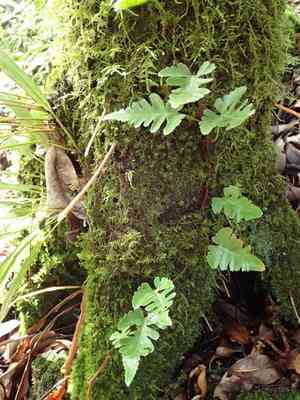
Distinguished by its spreading underground stems and fine leaves, davallia repens thrives with trimming during the spring and summer seasons. Remove withered or compromised fronds to foster robust development. Consistent thinning aids in preserving air circulation and averting excessive density. Trimming leads to a more condensed and visually appealing specimen, lessening the likelihood of pest problems. Always employ sanitized, keen implements to lessen plant strain and preclude the introduction of pathogens.
What Are the Benefits of Pruning Davallia Repens?
What Are the Benefits of Pruning Davallia Repens?
Trimming Davallia repens promotes vigorous growth and helps maintain its form. Regular removal of dead or damaged fronds encourages healthier development, prevents excessive growth, thus keeping a neat look and reducing pest issues.
What Is the Best Time for Pruning Davallia Repens?
What Is the Best Time for Pruning Davallia Repens?
Pruning or trimming Davallia repens is best done during spring and summer due to its active growth cycle in these periods. Trimming at this time fosters healthier development and prevents shock to the plant, as it is better equipped to recover and regrow. Additionally, aligning pruning with the plant's active phases enhances its overall vitality and ensures that any potential flowering or budding stages are not interrupted.
What Tools Do I Need to Prune Davallia Repens?
Hand Pruners
Perfect for eliminating dead or damaged fronds and cutting back overgrown sections. Their precision helps prevent harm to sensitive parts of Davallia repens.
Pruning Shears
Useful for cutting larger, thicker fronds and stems, enabling clean cuts that encourage healthy growth.
Scissors
Good for precise, detailed cutting tasks, such as shaping and removing small sections of new growth. Ensure they are sharp and clean to avoid crushing the fronds.
Soft Brush
Not a cutting tool but crucial for cleaning off debris and dust from fronds before pruning, reducing the risk of disease.
How to Prune Davallia Repens
Inspect
Carefully examine Davallia repens for any diseased leaves, withered leaves, or diseased stems. Ensure you check both the upper and lower surfaces of the leaves and stems for signs of disease or decay.
Sanitize
Before pruning, sanitize your tools with a solution of one part bleach to nine parts water to prevent the spread of disease.
Remove diseased leaves
Using clean, sharp pruning shears, carefully cut off any diseased leaves. Make cuts as close to the base of the leaf stem as possible, ensuring that you do not damage healthy tissue.
Remove witherted leaves
Trim off any withered leaves by cutting them off at the base of the stem. Focus on removing leaves that are fully dried out and brown.
Remove diseased stems
Identify and remove any stems that show signs of disease. Make your cut just above a healthy set of leaves or at the base where the stem meets the main plant body. Dispose of all pruned material properly to prevent reinfection.
Common Pruning Mistakes with Davallia Repens
Over-pruning
Removing too much foliage can weaken Davallia repens, as it relies on its fronds for photosynthesis. Always avoid taking off more than a third of the plant at a time.
Incorrect Cutting Technique
Using dull or dirty tools can damage Davallia repens's delicate fronds, leading to infection or poor healing. Itâs crucial to use sharp, sterilized pruning shears.
Ignoring Dead or Diseased Parts
Failing to remove dead or diseased fronds can allow pathogens to spread throughout Davallia repens, compromising its overall health.
Common Pruning Tips for Davallia Repens
Use Sharp, Clean Tools
Ensure your pruning shears are sharp and sterilized to prevent tearing the delicate fronds of Davallia repens and to avoid introducing diseases.
Prune Lightly and Carefully
Remove only damaged, yellow, or dead fronds to maintain the health of Davallia repens. This will also promote better air circulation and light penetration.
Cut Close to the Base
When removing fronds, make clean cuts close to the base of Davallia repens without damaging the roots or adjacent fronds, ensuring a neat appearance and optimal health.



