How to Prune Wild carrot?
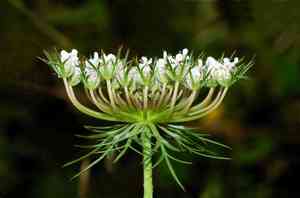
Daucus carota, recognized for its intricate, pale, umbelliferous blossoms, needs very little trimming. Essential methods involve removing faded blooms to stimulate additional flowering and reducing foliage after harvesting to revitalize development. The best period for this extends from early spring until late autumn, with deadheading performed as required throughout the flowering phase. The particular advantage of pruning for this plant is the possible enhancement of root dimensions and excellence, crucial for individuals growing Daucus carota for its edible taproot.
Advantages of Trimming Wild Carrot
Advantages of Trimming Wild Carrot
Trimming wild carrot guarantees a more plentiful yield by channeling energy towards root and seed development. Consistent cutting helps wild carrot maintain a manageable form and size, fostering vigorous growth and potentially boosting the plant's overall health and output.
Optimal Period for Trimming Wild Carrot
Optimal Period for Trimming Wild Carrot
Trimming in early spring allows gardeners to remove dead or damaged leaves from wild carrot prior to new growth, which can revitalize the plant and direct energy to healthy shoots. This timing ensures the plant can recover and grow effectively during the active season. Late fall trimming is ideal because wild carrot has finished its yearly growth cycle, including blooming and seeding. Removing parts of the plant after this period minimizes the chance of disrupting the growth cycle and helps maintain plant health and vigor, preparing wild carrot for dormant winter months.
Tools Required for Trimming Wild Carrot
Hand Pruners
For wild carrot, hand pruners are effective for cutting thin stems and foliage. A clean cut helps prevent diseases and is essential for maintaining plant health.
Shears
Shears are suitable for trimming and shaping the foliage of wild carrot if there is a need to remove multiple stems at once or to shape the plant for desired aesthetics.
Gloves
Protective gloves should be worn to protect hands from getting scratched by the foliage of wild carrot and to ensure a safe pruning experience.
Garden Knife
A garden knife can assist in cutting through tougher plant material or roots of wild carrot and can be used to divide clumps if propagation is desired.
How to Trim Wild Carrot
Step1: Identify Dead and Damaged Plant Parts
Examine the wild carrot plant to locate dead stems and weather-beaten flowers that need trimming for improved health and appearance. Look for stems that are brown, brittle, and lack green living tissue, as well as flowers that are wilted, discolored, or damaged.
Step2: Sanitize Pruning Tools
Disinfect your trimming tools before starting to prevent the spread of disease. Use a 10% bleach solution or alcohol wipes to clean your shears or scissors.
Step3: Trim Dead Stems at Base or Intersection
Begin with dead stems. Cut these stems back to their base or to the point where they meet a living stem, making your cut at a 45-degree angle with clean, sharp pruning shears. The angle helps to repel water and minimizes the risk of disease.
Step4: Remove Spent Flowers Above Healthy Leaves
Move to the weather-beaten flowers. Snip these off just below the flower head, above the first set of healthy leaves. This will encourage new blooms and prevent the wild carrot from diverting energy into seed production from the spent flowers.
Step5: Assess Plant Shape and Balance
After removing the dead stems and weather-beaten flowers, step back to assess the wild carrot for balance and shape. If necessary, lightly shape the wild carrot by cutting back leggy or unruly stems to maintain a pleasing form.
Step6: Dispose of Pruning Debris Properly
Discard all cuttings from the wild carrot properly. Do not leave them on the ground as they can harbor pests and diseases or lead to unwanted reseeding of the wild carrot.
Step7: Clean Tools Post-Pruning
Clean and sanitize your pruning tools after use to prevent the transmission of diseases to other plants.
Step8: Monitor Plant for Growth and Disease
Monitor the wild carrot after pruning for any signs of new growth or potential disease. Regularly check and prune as needed during the growing season to maintain healthy plants.
Post-Trimming Care for Wild Carrot
Post-Trimming Care for Wild Carrot
Immediately after trimming wild carrot, ensure the cut areas are left clean to avoid disease entry. Position wild carrot in a spot with adequate sunlight and maintain moderate humidity and stable temperatures. Post-pruning, boost recovery by applying a balanced fertilizer, but be cautious with nitrogen to avoid excessive foliage at the expense of root health. Monitor wild carrot for wilting, discoloration, or signs of infection, and if necessary, apply appropriate fungicides or insecticides. Regular inspection will help identify stress early, allowing timely interventions for wild carrot's robust growth.
Common Trimming Errors with Wild Carrot
Overly Aggressive Pruning
Trimming wild carrot too aggressively, which may stress the plant and lead to poor growth or reduced flowering.
Using Blunt or Contaminated Tools
Using dull or dirty trimming tools, which can cause damage to the wild carrot's stems and may introduce disease.
Purposeless Pruning
Trimming without a clear purpose, leading to unnecessary cuts that do not promote the health or shape of wild carrot.
Excessive Foliage Removal
Removing too much foliage at once, which can reduce the plant's ability to photosynthesize and thrive.
Ignoring Dead or Diseased Parts
Neglecting to remove dead or diseased parts of wild carrot, which can affect the overall vitality of the plant.
Common Trimming Advice for Wild Carrot
Sanitize Tools to Prevent Disease
Sanitize trimming tools before and after use to prevent the spread of disease to or from wild carrot.
Clean Cuts Above Leaf Nodes
Make clean, angled cuts just above leaf nodes to encourage new growth in the desired direction.
Prune Only Necessary Parts
Remove only the necessary parts, such as dead or diseased foliage and stems, to maintain the health and shape of wild carrot.
Thin for Better Air Circulation
Thin out dense areas to increase air circulation, which helps reduce the risk of fungal diseases in wild carrot.
Regular Inspections for Prompt Pruning
Conduct regular inspections of wild carrot to identify and address pruning needs promptly for optimal plant health.



