How to Prune Winter daphne?
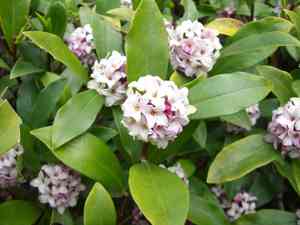
Esteemed for its aromatic, cold-season blossoms, winter daphne flourishes with judicious trimming. Perform pruning immediately following the blooming period to preserve its form and stimulate vigorous developmentâusually from late spring to early summer. Eliminate any lifeless, injured, or excessively dense branches to improve air movement. Severing spent flower stalks fosters the subsequent year's floral display. Refrain from severe pruning, as winter daphne may recuperate slowly. Pruning boosts the plant's well-being, averting ailments, and guaranteeing abundant yearly flowering.
What Are the Benefits of Pruning Winter Daphne?
What Are the Benefits of Pruning Winter Daphne?
Trimming winter daphne promotes abundant flowering by stimulating new growth, where blooms primarily emerge. It also helps prevent pest issues and diseases by eliminating potentially affected parts and enhancing air circulation throughout the plant's structure.
What Is the Best Time for Pruning Winter Daphne?
What Is the Best Time for Pruning Winter Daphne?
In late spring to early summer, winter daphne has already completed its blooming period, which typically occurs from late winter to early spring. Pruning after the flowers have faded encourages fresh growth and maintains the plant's form without sacrificing the subsequent season's blooms. Furthermore, pruning at this time allows cuts to heal quickly as the plant enters its active growth phase, minimizing the risk of disease and stress on winter daphne. It's also the period before new buds set for the next year, making it the least disruptive to the flowering cycle.
What Tools Do I Need to Prune Winter Daphne?
Hand Pruners
Perfect for making precise cuts on winter daphne, hand pruners or secateurs should be utilized for trimming small stems and branches. These implements offer superior control and facilitate clean cuts, which is crucial for the well-being of winter daphne.
Pruning Saws
For larger branches that hand pruners cannot manage, a pruning saw with fine teeth is advisable. It is designed to cut on the pull stroke and helps prevent tearing the delicate bark of winter daphne.
Loppers
When branches are too thick for hand pruners but not large enough to require a saw, loppers are appropriate. They provide extended reach and leverage, making the task of pruning winter daphne more efficient without causing harm.
Gloves
Protective gardening gloves are essential to prevent skin irritation from winter daphne's sap and also to guard against thorns and sharp branches during pruning.
Pruning Shears (for shaping)
For the delicate task of shaping winter daphne and maintaining its form, sharp pruning shears or snips can be employed to fine-tune the plant's appearance while minimizing stress to the branches.
How to Prune Winter Daphne
Step1: Timing for Post-Bloom Pruning
Wait for the appropriate time of year to prune winter daphne, which is typically after it has finished blooming in late winter or early spring. This timing prevents the removal of next year's flower buds, which are formed in summer and fall.
Step2: Sanitize Tools Before Pruning
Disinfect your pruning tools with a solution of 1 part bleach to 9 parts water or rubbing alcohol to prevent the spread of disease. Clean tools after each cut when removing diseased branches.
Step3: Remove Dead Wood First
Begin by removing any dead wood by making clean cuts with sharp pruning shears. Cut the dead wood back to live tissue, identifiable by its green, healthy-looking bark and white wood.
Step4: Cut Away Diseased Branches
Next, prune diseased branches, cutting well below the affected areas. It's crucial to remove branches with any signs of damage or infection to prevent further issues. Dispose of diseased material responsibly away from the garden area.
Step5: Deadhead Spent Flowers
Deadhead the spent flowers by trimming the stems just above the highest set of leaves below the old flower. This encourages winter daphne to maintain a tidy appearance and may promote new growth.
Step6: Minimal Shaping and Sensitive Pruning
Shape winter daphne if necessary, but do so minimally. Winter daphne does not require heavy pruning and can be sensitive to over-pruning. Focus on maintaining a natural growth habit rather than an overly manicured appearance.
Step7: Post-Pruning Plant Inspection
Re-examine the plant after pruning. Look for any cuts that may have been missed or any diseased or dead material still present. Also, check for proper air circulation and light penetration, which are essential to winter daphne's health.
Step8: Cleanup of Pruning Debris
Clear away all pruning debris from around winter daphne, as decaying plant material can harbor diseases or attract pests.
Step9: Watering After Pruning
Water the plant generously after pruning to aid in its recovery, following regular watering practices for winter daphne.
Step10: Monitor Plant for New Growth
Monitor winter daphne over the following weeks for signs of new growth. Pruning should stimulate healthy new branches and leaves. If any more issues arise, deal with them promptly using the same careful pruning approach.
Post-Pruning Care for Winter Daphne
Post-Pruning Care for Winter Daphne
Immediately after pruning winter daphne, water the plant thoroughly to alleviate stress. Maintain slightly shaded conditions as winter daphne recovers, avoiding direct sunlight. Ensure ambient humidity and temperatures are stable â high humidity and mild temperatures are ideal. Apply a balanced, slow-release fertilizer to support new growth. Regularly inspect winter daphne for signs of stress, such as wilting or discoloration, and signs of infection like rot or mold. If symptoms occur, adjust care or consult a professional. Proper care and environment management post-pruning are key to winter daphne's health and vigor.
Common Pruning Mistakes with Winter Daphne
Avoid excessive pruning that stresses the plant
Over-pruning is a frequent error, where too much of winter daphne is removed at once, potentially stressing the plant and reducing its vigor and bloom.
Do not prune into old, non-sprouting wood
Pruning into old, woody stems can be detrimental as winter daphne may not readily sprout from old wood, leading to gaps in the plant's form.
Use clean, sharp tools for disease-free cuts
Using dull or dirty pruning tools on winter daphne can lead to ragged cuts and increase the risk of disease transmission.
Remove dead or diseased branches promptly
Neglecting to remove dead or diseased branches, which can hinder growth or spread issues within winter daphne.
Respect plant's natural growth habit when shaping
Pruning for shape without considering the natural growth habit of winter daphne, which can lead to an unnatural appearance and impair flowering.
Common Pruning Tips for Winter Daphne
Ensure clean cuts with sharp, clean shears
Use sharp, clean pruning shears to make clean cuts on winter daphne, reducing the chance of disease and encouraging healthy regrowth.
Light pruning maintains health and growth
Focus on light pruning, removing only dead, damaged, or crossing branches to maintain the plant's health without stunting its growth or bloom.
Preserve natural form when shaping the plant
When shaping winter daphne, aim to preserve its natural mound-like form, enhancing its aesthetic without compromising its structure.
Deadhead after flowering for tidy look and rebloom
After flowering, immediately remove spent blooms of winter daphne to promote a tidy appearance and potentially encourage a second flush of blooms.
Prune diseased areas to protect plant health
Regularly inspect winter daphne for signs of disease or infestation and promptly prune out affected areas to prevent further spread.



