How to Prune February daphne?
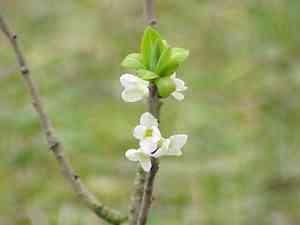
Hailing from Europe, february daphne is a deciduous woody plant recognized for its aromatic blossoms in early spring. Perform trimming right after the flowering period to preserve its form and stimulate fresh development. Eliminate any dead or ailing wood, reduce congested branches, and shorten excessively long shoots. The perfect moment for pruning is in the early spring, following the conclusion of its bloom cycle. Pruning guarantees a robust plant framework and encourages the subsequent season's flowers. Proceed with care, as every component of february daphne is poisonous, necessitating cautious management.
Advantages of Trimming February Daphne
Advantages of Trimming February Daphne
Trimming february daphne promotes robust development and helps maintain its form. Regular cutting fosters a sound structure, allowing air and light to reach inner branches, thereby lowering disease risk.
Optimal Time for Trimming February Daphne
Optimal Time for Trimming February Daphne
Trimming february daphne in early spring is ideal as it coincides with the end of its dormant phase, yet precedes the emergence of new growth. This timing ensures february daphne hasn't started diverting energy into new shoots or blossoms that would be wasted if removed. Pruning after the last frost minimizes the risk of cold damage at the cut sites. It also permits the removal of any winter-damaged branches, encouraging healthier growth in the upcoming season. Furthermore, since february daphne blooms on the previous year's wood, pruning after flowering in early spring guarantees that the plant's blooming capacity is not negatively impacted, allowing gardeners to enjoy february daphne's fragrant flowers while preserving the plant's shape and vitality.
Required Tools for Pruning February Daphne
Bypass Pruners
Recommended for their clean and precise cuts, bypass pruners are perfect for february daphne, as they enable gardeners to shape the plant and remove small, dead, or diseased wood without causing unnecessary harm.
Sharp Garden Scissors
For thinning and trimming softer, non-woody stems, sharp garden scissors are useful for february daphne, because they can easily access tight spaces and make accurate cuts, which is important for maintaining plant health.
Loppers
Loppers offer extended reach and leverage for cutting thicker branches that bypass pruners cannot manage. Since february daphne can develop sturdier stems as it matures, loppers are useful for cutting these without straining the gardener's hands.
Pruning Saw
A pruning saw may be used for february daphne when dealing with the oldest, thickest branches that require removal for the plant's rejuvenation. It's important to use a sharp and properly sized saw to avoid tearing the bark or causing uneven cuts.
How to Prune February Daphne
Preparation
Before starting to prune february daphne, ensure all pruning tools are clean and sharp to make precise cuts and avoid the spread of diseases.
Inspection
Carefully inspect february daphne for the trim parts specified, looking for any diseased leaves, withered leaves, dead branches, and diseased branches that need to be removed.
Diseased And Withered Leaves
Use hand pruners to delicately remove diseased and withered leaves. Cut the leaves at their base without damaging healthy parts of february daphne.
Dead And Diseased Branches
Prune dead and diseased branches by cutting them back to sound wood. If the branch is diseased, make the cut well into healthy tissue to prevent disease spread.
Final Touches
After pruning, clean all debris from around february daphne to prevent disease and pests. Disinfect your tools after finishing to avoid contamination next time you prune.
Common Pruning Errors with February Daphne
Excessive Pruning
Removing too much of february daphne's growth at once can stress the plant, potentially leading to reduced flowering and a weakened state.
Poor Tool Hygiene
Not sterilizing pruning tools before use can introduce pathogens to february daphne, possibly resulting in disease spread.
Incorrect Cut Location
Cutting too close to the main stem or leaving too long a stub on february daphne can impede healing and encourage disease entry.
Neglecting Plant Vigor
Pruning february daphne when it is unhealthy or stressed may exacerbate its condition instead of encouraging growth.
Rough Handling
Being too rough while pruning can damage february daphne's delicate stems, negatively affecting the plant's overall health.
General Pruning Advice for February Daphne
Utilize Sharp Tools
Employ sharp and clean pruning shears to make clean cuts on february daphne, which helps prevent damage and disease.
Consider Growth Habit
Understand that february daphne has a specific growth pattern; prune to maintain its natural shape rather than forcing it into an unnatural form.
Selective Thinning
Thin out february daphne by selectively removing older stems to encourage rejuvenation and better air circulation within the plant.
Judicious Pruning
Prune february daphne judiciously, removing only what is necessary, such as dead, diseased, or crossing branches to promote healthy growth.
Protective Gear
Wear gloves and long sleeves when pruning february daphne to protect against its toxic sap, which can cause skin irritation.



