How to Prune Globe artichoke?
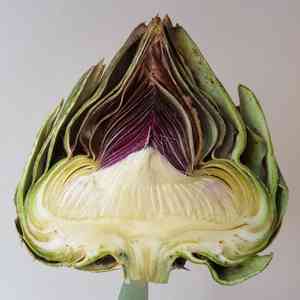
Distinguished by its sizable, silver-green foliage and unique edible flower heads, the globe artichoke flourishes with appropriate trimming. Following the harvest, sever the tall, withered flower stems to encourage fresh development. At any point, remove any lifeless or injured leaves. Annually, perform pruning in late winter or early spring to manage size and form, and eliminate suckers during summer to direct vitality towards the primary plant. Consistent pruning sustains vigor and boosts productivity. Employ sanitized, keen implements to avert the spread of pathogens.
What Are the Benefits of Pruning Globe Artichoke?
What Are the Benefits of Pruning Globe Artichoke?
Trimming globe artichoke encourages more abundant yields and robust development, while also maintaining a neat form, enhancing both production and plant appearance.
What Is the Best Time for Pruning Globe Artichoke?
What Is the Best Time for Pruning Globe Artichoke?
Pruning globe artichoke during these periods aligns with its life cycle, fostering healthy growth and output. In Spring, trimming is ideal as globe artichoke emerges from dormancy, and pruning stimulates stronger growth as the plant begins its active development phase. Early Summer is a good time to remove any spent blooms or damaged foliage, which can revitalize globe artichoke for a potential second harvest in regions with extended growing seasons. Early Fall pruning should focus on eliminating dead or old plant material after harvest, helping to prevent diseases and pests. These practices ensure globe artichoke's energy is directed towards producing vigorous growth and ample buds for the subsequent season.
What Tools Do I Need to Prune Globe Artichoke?
Bypass Pruners
Perfect for making precise cuts on the thinner stems of globe artichoke without crushing them. Suitable for removing spent flowers and harvesting.
Lopping Shears
Useful for cutting through thicker stems or branches of globe artichoke that bypass pruners cannot handle due to their larger and sturdier construction.
Garden Gloves
Protects hands from the spiky foliage of globe artichoke during pruning, ensuring safety and comfort.
Garden Knife or Serrated Knife
Aids in removing tough outer leaves or tidying up the base after harvesting globe artichoke.
How to Prune Globe Artichoke
Identify diseased and withered leaves
Examine globe artichoke for any indications of diseased, yellowing, or dried-up leaves. These parts typically show discoloration, spots, or visible damage.
Sanitize tools
Before beginning the pruning process, clean and disinfect pruning shears or scissors to prevent the spread of diseases to healthy parts of globe artichoke.
Trim diseased leaves
Using the sanitized shears, carefully remove the diseased and yellowing leaves by cutting them at the base where they meet the main stem or another leaf. Do this without harming the healthy sections of globe artichoke.
Remove withered leaves
Similarly, prune the browned or dried-up leaves off of globe artichoke. Ensure cuts are clean to promote quicker healing and reduce stress on the plant.
Dispose of waste
Properly dispose of the removed leaves by placing them in a bin or composting them if they are disease-free. Do not leave any pruned material around globe artichoke as it may attract pests or disease.
Common Pruning Mistakes with Globe Artichoke
Over-pruning
Removing too much foliage or too many stems at once can stress globe artichoke, leading to reduced vigor and potentially fewer flower buds.
Improper cut location
Cutting too far above or too close to the budding areas can either leave unsightly stubs or damage new growth. Make cuts just above a leaf base or bud.
Using dull tools
Dull pruning tools can crush globe artichoke's stems and create jagged cuts that are slow to heal and more prone to disease.
Neglecting disease prevention
Not disinfecting pruning tools before use can spread diseases between globe artichoke plants or even from other species in the garden.
Pruning active growth
Trimming globe artichoke during periods of active growth can interrupt the natural development of the plant and its flower buds.
Ignoring plant shape
Failing to consider the natural shape and growth pattern of globe artichoke can result in an unbalanced and unhealthy plant.
Common Pruning Tips for Globe Artichoke
Clean cuts
Make clean cuts just above a set of growing leaves or nodes, ensuring the remaining stem is not too long to avoid dieback, and not too short to avoid damaging the plant growth point.
Tool selection
Use sharp, clean secateurs or loppers for a clean cut that will heal quickly and minimize stress on globe artichoke.
Disease management
Disinfect your tools before and after pruning globe artichoke to prevent the spread of disease.
Moderate pruning
Prune just enough to maintain shape and health, removing dead or damaged material and thinning dense areas to improve light penetration and airflow.
Directional pruning
Prune globe artichoke in a way that directs new growth outward, encouraging a well-ventilated, open canopy that is less susceptible to pests and diseases.
Post-flowering pruning
After globe artichoke has finished flowering, remove spent flower stalks to direct the plant's energy into producing more foliage and to tidy up its appearance.



